
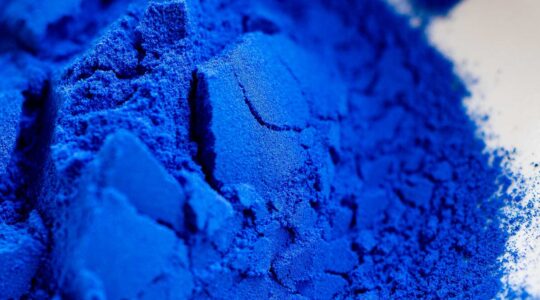
Exploring the rising use of phycocyanin as a natural blue pigment and antioxidant in skincare and cosmetic formulations.
Phycocyanin, commonly known as Blue Spirulina, is rapidly emerging as one of the most promising natural ingredients in the cosmetics and skincare industry. Derived from spirulina algae, this vibrant blue pigment is not only valued for its striking color but also for its powerful antioxidant, anti-inflammatory, and skin-soothing properties. As consumer demand shifts toward clean-label, plant-based, and sustainable beauty solutions, phycocyanin is gaining significant attention from formulators and researchers worldwide.
In recent years, the cosmetic industry has been actively exploring alternatives to synthetic dyes and harsh chemical additives. Blue Spirulina offers a compelling solution, serving as a natural colorant while also delivering functional skin benefits. It is increasingly being incorporated into facial masks, serums, creams, lip care products, and even bath and body formulations. Its ability to neutralize free radicals helps in protecting the skin from environmental stressors, making it a valuable ingredient in anti-aging and skin-repair products.
Use in Face Masks and Creams
Phycocyanin, widely known as Blue Spirulina, is increasingly being used in face masks and creams due to its powerful combination of natural coloring properties and skin-enhancing benefits. As the skincare industry shifts toward plant-based and clean-label formulations, this vibrant blue pigment is gaining strong attention from formulators looking for effective yet gentle ingredients. In face masks, Blue Spirulina is valued for its ability to soothe irritated skin, reduce redness, and provide antioxidant protection. Its bioactive compounds help combat oxidative stress caused by pollution and UV exposure, making it especially suitable for detoxifying and rejuvenating mask formulations. Many clay masks, gel masks, and sheet masks now incorporate phycocyanin to enhance both visual appeal and functional skincare benefits.
Anti-Aging and Antioxidant Properties
Blue Spirulina, scientifically known for its active pigment phycocyanin, has gained strong recognition in the skincare and cosmetic industry for its powerful anti-aging and antioxidant benefits. As skin is constantly exposed to environmental stressors such as UV radiation, pollution, and oxidative damage, there is a growing demand for natural ingredients that can help slow down visible signs of aging. Phycocyanin addresses this need effectively by neutralizing free radicals and supporting overall skin health.
One of the key reasons Blue Spirulina is valued in anti-aging formulations is its high antioxidant capacity. Antioxidants play a crucial role in protecting skin cells from oxidative stress, which is one of the primary causes of wrinkles, fine lines, and loss of elasticity. By reducing oxidative damage, phycocyanin helps maintain a more youthful and radiant appearance over time. It also supports collagen preservation, which is essential for maintaining skin firmness and structure.
Natural Pigment for Makeup Products
The cosmetics industry is undergoing a major shift toward clean, plant-based, and environmentally friendly ingredients. One of the most exciting developments in this space is the use of natural pigments derived from microalgae, especially phycocyanin, commonly known as Blue Spirulina. This vibrant blue extract is gaining popularity as a safe and sustainable alternative to synthetic dyes traditionally used in makeup formulations.
Blue Spirulina is valued not only for its striking color but also for its multifunctional benefits. It provides a naturally intense blue hue that can be used in lipsticks, eyeliners, eyeshadows, blush tints, and even skincare-makeup hybrid products. Unlike synthetic pigments, it aligns with the growing consumer demand for “clean beauty,” where ingredients are expected to be plant-based, non-toxic, and environmentally responsible.
Stability in Cosmetic Formulations
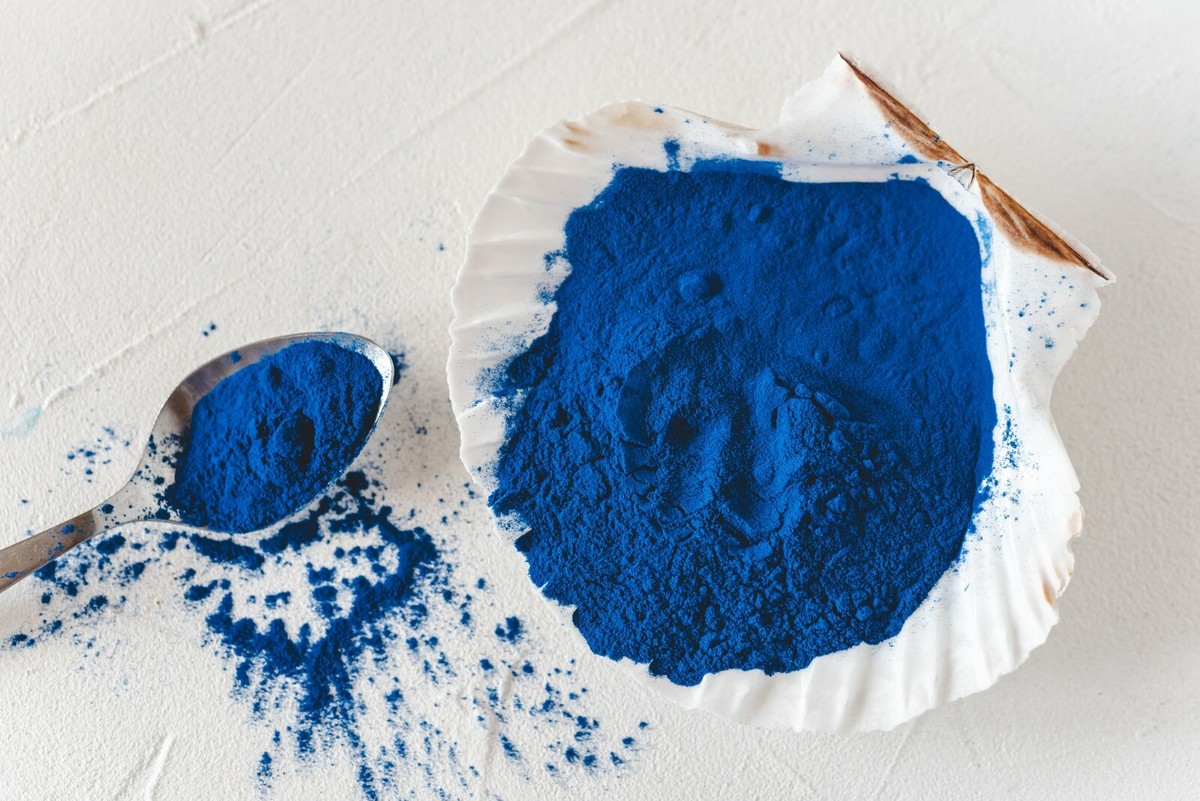
The use of phycocyanin (Blue Spirulina) in cosmetics is growing rapidly due to its natural blue pigmentation and strong antioxidant benefits. However, one of the key challenges in formulating with this ingredient is ensuring its stability across different product types. Since phycocyanin is a water-soluble pigment, it is sensitive to environmental factors such as light, heat, pH changes, and oxidation. These conditions can affect its color intensity and overall performance in finished cosmetic products.
In skincare and beauty formulations like serums, creams, gels, and masks, maintaining the stability of Blue Spirulina is essential to preserve both its aesthetic appeal and functional benefits. Formulators often need to carefully control pH levels (ideally neutral to slightly acidic), use protective packaging, and incorporate stabilizing agents to extend its shelf life. Encapsulation techniques and cold-processing methods are also being explored to minimize pigment degradation and maintain its antioxidant properties.
Skin Soothing and Anti-Inflammatory Effects
Blue Spirulina, scientifically known for its active pigment phycocyanin, is increasingly recognized in the skincare industry for its powerful skin-soothing and anti-inflammatory properties. As modern consumers seek gentle, plant-based alternatives for sensitive and irritated skin, this natural ingredient is becoming a preferred choice in cosmetic formulations across global markets.
One of the key reasons behind its popularity is its ability to help calm skin redness, reduce inflammation, and support overall skin recovery. Phycocyanin contains strong antioxidant compounds that help neutralize free radicals, which are often responsible for skin stress, premature aging, and irritation. Because of this, Blue Spirulina is widely used in formulations designed for sensitive skin, acne-prone skin, and post-treatment skincare products.
Clean Beauty Movement Adoption
The Clean Beauty Movement has transformed the global cosmetics industry by shifting consumer preference toward products made with safe, transparent, and naturally derived ingredients. At the heart of this movement is the growing demand for plant-based pigments and bioactive compounds that deliver both aesthetic appeal and skincare benefits without relying on synthetic chemicals.
One such ingredient gaining remarkable attention is phycocyanin, commonly known as Blue Spirulina. Extracted from spirulina algae, this natural blue pigment is widely valued in clean beauty formulations for its vibrant color, antioxidant properties, and skin-friendly profile. Unlike artificial dyes, phycocyanin aligns perfectly with the principles of clean beauty by offering a non-toxic, biodegradable, and eco-conscious alternative for cosmetic applications such as skincare, makeup, and personal care products.
Comparison with Synthetic Dyes in Cosmetics
The cosmetic industry has traditionally relied on synthetic dyes to achieve vibrant and stable colors in products such as skincare creams, lipsticks, shampoos, and makeup formulations. However, growing concerns around skin sensitivity, long-term safety, and environmental impact have led to a strong shift toward natural alternatives like phycocyanin (Blue Spirulina). This transition is especially significant as brands and formulators increasingly seek cleaner, plant-based ingredients that align with consumer demand for sustainable beauty.
Synthetic dyes are known for their strong color consistency and cost-effectiveness, but they often come with potential drawbacks. Some synthetic colorants may cause skin irritation or allergic reactions in sensitive users, and certain compounds have raised concerns regarding long-term exposure. In contrast, Blue Spirulina offers a naturally derived blue pigment that is gentle on the skin and also provides antioxidant benefits, making it more than just a coloring agent. It actively supports skin health by helping to reduce oxidative stress and inflammation.
Regulatory Approval for Cosmetic Use
The use of phycocyanin (Blue Spirulina) in cosmetics has gained strong momentum as brands move toward natural, plant-based ingredients. However, before it can be widely adopted in skincare and personal care formulations, it must comply with strict regulatory standards that ensure safety, purity, and stability. Regulatory approval plays a crucial role in determining how Blue Spirulina is sourced, processed, and applied in cosmetic products across global markets.
In most regions, including India, cosmetic ingredients derived from natural sources are evaluated under guidelines that assess toxicology, microbiological safety, and permissible usage concentrations. For manufacturers, this means phycocyanin must meet quality benchmarks such as heavy metal limits, allergen control, and stability under varying formulation conditions. These requirements ensure that the ingredient is safe for topical application and does not cause skin irritation or adverse reactions.
Product Formulation Challenges in Using Blue Spirulina
Blue Spirulina, also known as phycocyanin, is gaining strong popularity in the cosmetic, food, and nutraceutical industries due to its natural blue pigment and antioxidant properties. However, despite its growing demand, product formulation using this ingredient comes with several technical challenges that manufacturers must carefully address.
One of the primary concerns is stability. Phycocyanin is highly sensitive to heat, light, and pH variations. In cosmetic formulations such as creams, serums, or cleansers, maintaining its vibrant blue color can be difficult because even slight changes in environmental conditions may lead to color degradation. This makes it challenging for formulators to ensure consistency in final product appearance and performance.
Product Formulation Challenges
Blue Spirulina, also known as phycocyanin, is gaining strong popularity in the cosmetic, food, and nutraceutical industries due to its natural blue pigment and antioxidant properties. However, despite its growing demand, product formulation using this ingredient comes with several technical challenges that manufacturers must carefully address.
One of the primary concerns is stability. Phycocyanin is highly sensitive to heat, light, and pH variations. In cosmetic formulations such as creams, serums, or cleansers, maintaining its vibrant blue color can be difficult because even slight changes in environmental conditions may lead to color degradation. This makes it challenging for formulators to ensure consistency in final product appearance and performance.
1. Is Blue Spirulina safe for skin?
2. Can it be used in makeup products?
3. Does it have anti-aging benefits?
4. Is it better than synthetic pigments?
5. Does it stain skin or clothing?
Algology — microalgae manufacturer & exporter in India
Explore our solutions: Spirulina Manufacturers in India · Blue Spirulina Manufacturers in India · Phycocyanin Manufacturers in India.