
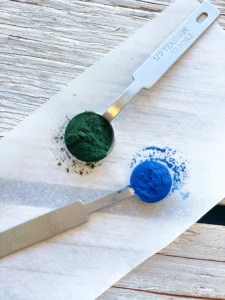
Understanding how storage conditions affect the stability, color intensity, and potency of blue spirulina extract.
Phycocyanin extract, commonly known as blue spirulina, is a highly sensitive natural pigment derived from Spirulina algae, widely valued for its vibrant blue colour and nutritional benefits. However, its effectiveness and visual appeal are closely tied to how it is stored and handled after extraction. Understanding the shelf life and storage stability of phycocyanin extract is essential for maintaining its colour intensity, potency, and overall quality in food, beverage, and nutraceutical applications.
Exposure to factors such as light, temperature fluctuations, oxygen, and moisture can significantly degrade the pigment, leading to fading colour and reduced bioactivity. This makes proper storage conditions—like controlled temperature, airtight packaging, and protection from direct sunlight—critical for preserving its stability over time.
Factors Affecting Phycocyanin Stability
Phycocyanin, the active pigment in blue spirulina extract, is highly sensitive in nature, and its stability plays a crucial role in determining its colour strength, nutritional value, and commercial usability. Understanding the key factors that affect its stability is essential for industries working with natural blue colorants and functional ingredients. One of the primary factors influencing stability is temperature. High temperatures can accelerate the degradation of phycocyanin, leading to a noticeable loss in its vibrant blue colour and bioactivity. Similarly, light exposure, especially UV light, can break down the pigment structure, making proper opaque or light-resistant packaging essential for storage and transport.
Temperature Sensitivity and Degradation
Phycocyanin extract, commonly known as blue spirulina, is highly sensitive to temperature changes, making thermal stability one of the most critical factors affecting its quality and shelf life. Even slight variations in storage or processing temperatures can lead to noticeable degradation in colour intensity, nutritional value, and functional properties.
At higher temperatures, the protein structure of phycocyanin begins to denature, resulting in a gradual loss of its vibrant blue pigment. This not only reduces its visual appeal in food and beverage applications but can also impact its antioxidant properties. Prolonged exposure to heat accelerates oxidation reactions, further breaking down the compound and reducing overall potency.
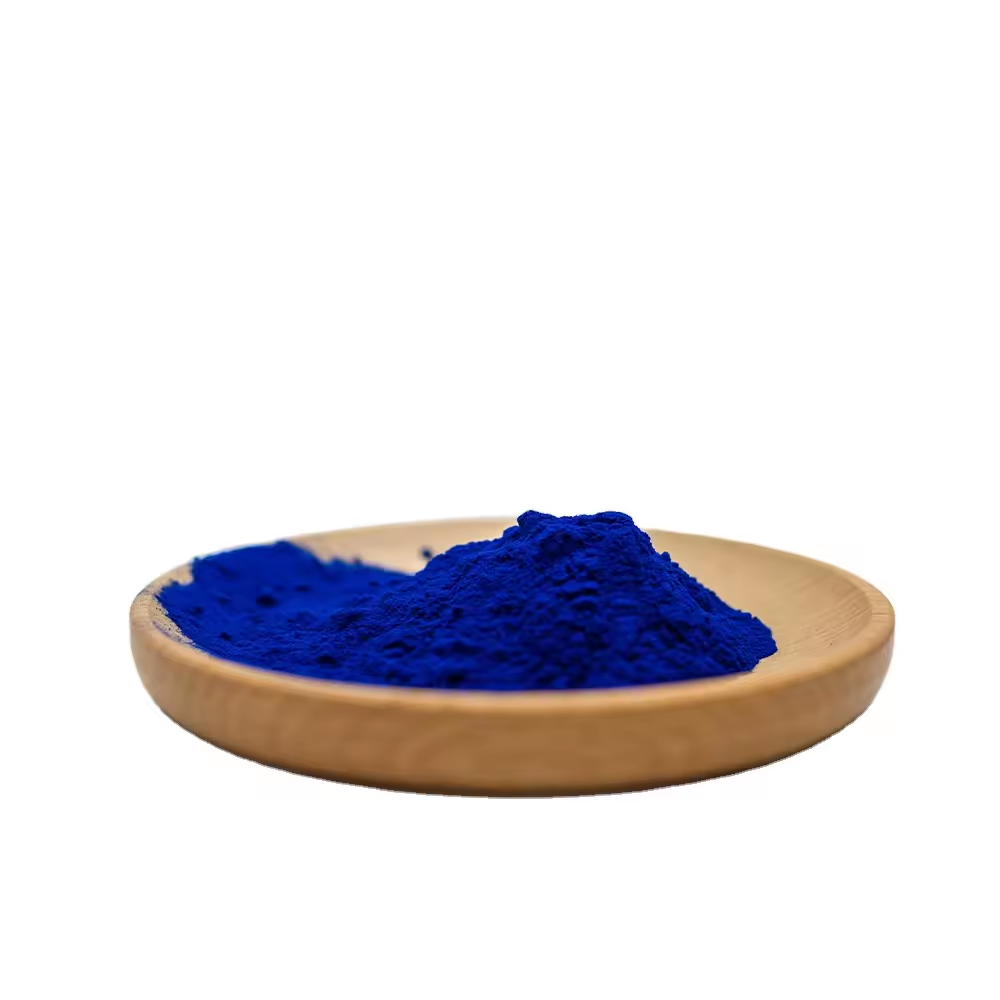
Light Exposure Effects on Color Retention
Light is one of the most critical environmental factors influencing the stability of phycocyanin, the active pigment responsible for the deep blue colour of spirulina extract. Understanding how light exposure affects color retention is essential for industries that rely on this natural colorant in food, beverages, cosmetics, and nutraceutical formulations.
Phycocyanin is highly sensitive to both natural and artificial light. Continuous exposure to light initiates photodegradation, where the pigment structure breaks down, leading to fading intensity and loss of its vibrant blue appearance. This not only impacts visual appeal but can also reduce the functional potency of the extract. Even short-term exposure during processing, packaging, or storage can gradually weaken its stability if protective measures are not in place.
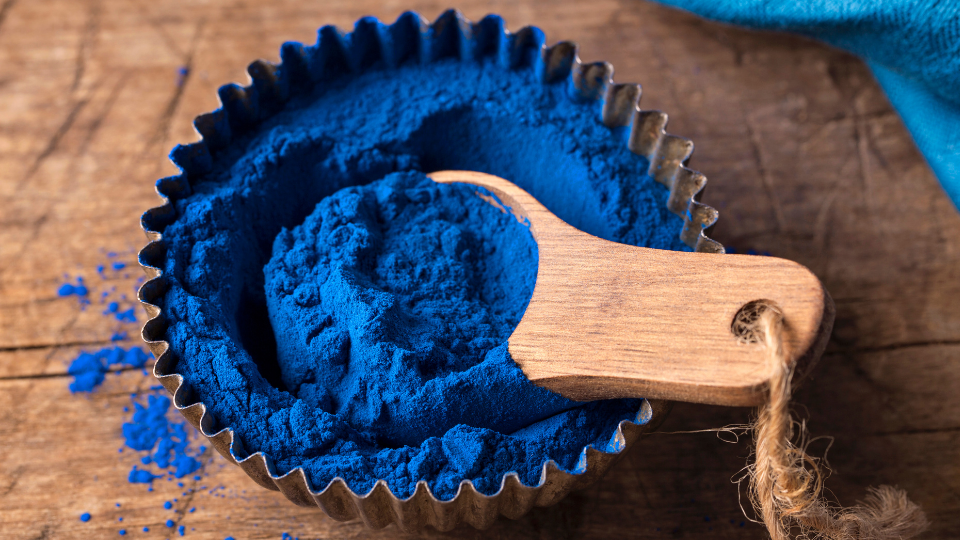
pH Stability in Different Applications
Phycocyanin extract, commonly known as blue spirulina, is a sensitive natural pigment whose performance can vary significantly depending on the pH level of the application it is used in. Understanding pH stability is crucial for ensuring consistent colour quality, product effectiveness, and shelf life across food, beverage, and nutraceutical formulations.
Phycocyanin is generally most stable in a mildly neutral pH range (around 5.5 to 7.5). Within this range, it retains its vibrant blue colour and functional properties. However, in highly acidic environments—such as carbonated beverages, fruit juices, or citrus-based formulations—the pigment can degrade more quickly, leading to fading or a shift in colour tone. Similarly, in highly alkaline conditions, structural breakdown of the protein-pigment complex may occur, reducing both stability and visual appeal.
Role of Antioxidants in Preservation
Phycocyanin extract, commonly known as blue spirulina, is a naturally vibrant pigment that is highly sensitive to environmental stress such as light, heat, and oxygen exposure. One of the most effective ways to enhance its stability and extend its shelf life is through the use of antioxidants, which play a crucial role in preserving its colour intensity and functional properties.
Antioxidants help slow down the oxidation process, which is one of the primary causes of pigment degradation in blue spirulina. When oxidation occurs, it can lead to fading of the characteristic blue colour, loss of nutritional potency, and reduced effectiveness in food and beverage applications. By neutralizing free radicals, antioxidants protect the structural integrity of phycocyanin molecules, ensuring better stability during storage and processing.
Spray-Dried vs Liquid Extract Shelf Life
Spray-dried and liquid forms of phycocyanin extract (blue spirulina) differ significantly in terms of shelf life, stability, and usability, making this comparison important for industries that depend on consistent colour performance and product quality. Both formats are widely used in food, beverage, cosmetics, and nutraceutical applications, but their storage behavior varies due to differences in moisture content and processing methods.
Spray-dried blue spirulina is produced by removing moisture through advanced drying techniques, resulting in a stable powder form. This low moisture content greatly enhances its shelf life, improves resistance to microbial growth, and makes it easier to store and transport. It also maintains colour intensity for a longer duration when kept in airtight, light-resistant packaging under cool conditions.
Packaging Materials for Maximum Stability
The stability of phycocyanin extract (blue spirulina) is not only influenced by storage conditions but also significantly depends on the packaging materials used. Since this natural pigment is highly sensitive to light, oxygen, moisture, and temperature variations, selecting the right packaging plays a crucial role in preserving its colour intensity, potency, and shelf life.
High-barrier packaging solutions such as aluminium foil pouches, amber glass containers, and multilayer laminated films are commonly preferred to minimize exposure to external environmental factors. These materials help block UV light, reduce oxygen permeability, and maintain a stable internal environment, ensuring that the vibrant blue colour of spirulina extract remains intact for a longer duration. Vacuum-sealed and nitrogen-flushed packaging are also widely used to further enhance stability and prevent oxidation.
Cold Chain Storage Requirements
Cold chain storage plays a critical role in preserving the quality, stability, and bioactivity of phycocyanin extract, commonly known as blue spirulina. As a highly sensitive natural pigment, it is prone to degradation when exposed to heat, light, or fluctuating environmental conditions. Maintaining an uninterrupted low-temperature storage system ensures that its vibrant blue colour, nutritional potency, and functional properties remain intact throughout the supply chain.
Typically, phycocyanin extract requires storage at controlled refrigeration temperatures, along with protection from direct sunlight and oxygen exposure. Even minor deviations in temperature can lead to pigment breakdown, resulting in reduced colour intensity and loss of quality. This makes cold chain logistics essential from the point of extraction to final delivery, especially for industries using it in food, beverages, nutraceuticals, and cosmetics.
Industrial Storage Standards
Industrial handling of phycocyanin extract, commonly known as blue spirulina, requires strict storage standards to preserve its natural color, bioactivity, and nutritional integrity. Since this pigment is highly sensitive to environmental conditions, even minor deviations in storage can lead to degradation, reduced potency, and loss of its vibrant blue appearance.
For large-scale applications in food, beverage, cosmetics, and nutraceutical industries, maintaining controlled storage environments is essential. Typically, phycocyanin should be stored in cool conditions, away from direct light, oxygen exposure, and humidity. Temperature stability plays a crucial role, as elevated heat can rapidly break down the protein-pigment complex, affecting both color intensity and functional properties.
Industrial facilities also rely on airtight, light-resistant packaging materials such as amber glass containers or specialized food-grade sealed pouches to minimize oxidation. In addition, cold-chain logistics are often adopted during transportation to ensure product stability from manufacturing units to end-use industries.
Expiry Testing Methods
Expiry testing methods play a crucial role in determining the quality, safety, and functional stability of phycocyanin extract, commonly known as blue spirulina. Since this natural pigment is sensitive to environmental conditions, manufacturers must carefully evaluate how long it retains its colour intensity, nutritional value, and bioactivity under different storage scenarios.
One of the primary approaches used is accelerated stability testing, where blue spirulina samples are exposed to higher temperatures and humidity levels to simulate long-term storage conditions in a shorter time frame. This helps predict how the pigment will behave over its intended shelf life. In addition, real-time stability studies are conducted by storing samples under recommended conditions and periodically analyzing changes in colour, purity, and potency over time.
1. How long does blue spirulina last?
2. Does refrigeration improve shelf life?
3. Why does phycocyanin lose colour?
4. Can it be stored at room temperature?
5. What packaging is best for stability?
Algology — microalgae manufacturer & exporter in India
Explore our solutions: Spirulina Manufacturers in India · Blue Spirulina Manufacturers in India · Phycocyanin Manufacturers in India.