

A deep dive into common problems faced in spirulina farming and practical solutions to improve productivity.
Spirulina cultivation has emerged as a promising segment in the nutraceutical and superfood industry, but it is not without its operational challenges. Farmers and processors often face issues such as contamination control, unstable growth conditions, nutrient imbalance, and inconsistent harvesting yields, all of which can directly impact productivity and product quality. These challenges become even more critical in large-scale commercial farming where maintaining purity and color consistency is essential, especially for premium-grade products like blue spirulina.
In India, the demand for high-quality spirulina is rapidly increasing, driven by the growing health and wellness market. As a result, Blue Spirulina manufacturers in India are focusing on improving cultivation techniques, optimizing photobioreactor systems, and implementing advanced quality control measures. Leading Blue Spirulina manufacturers are also investing in research to overcome common farming inefficiencies and enhance biomass yield while maintaining nutrient density.
Contamination in Open Pond Systems
Contamination is one of the most critical challenges in spirulina cultivation, especially in open pond systems where environmental exposure is high. Since spirulina thrives in alkaline water conditions, it is naturally resistant to many contaminants, but it is not completely immune. In open ponds, unwanted microorganisms such as algae, bacteria, fungi, and protozoa can easily enter through wind, dust, water sources, or even farming equipment. These contaminants compete for nutrients, reduce biomass quality, and can significantly affect the purity of the final product. For commercial producers, this issue becomes even more important because contamination directly impacts product safety, color consistency, and nutritional value. Many Blue Spirulina manufacturers in India face this challenge while scaling production in outdoor environments where climate conditions fluctuate throughout the year. Maintaining stable pH levels, controlling nutrient balance, and ensuring proper pond hygiene are essential steps to minimize contamination risks.
Temperature Fluctuation Issues in Spirulina Cultivation
Temperature plays a critical role in the growth and quality of spirulina, especially when it comes to producing high-grade pigments used in food, cosmetics, and nutraceuticals. Spirulina thrives in a relatively stable warm environment, and even slight fluctuations can significantly affect its growth rate, nutrient profile, and color intensity. In large-scale farming systems, maintaining consistent temperature conditions becomes one of the most challenging aspects of production.
Sudden drops or spikes in temperature can slow down photosynthetic activity, reduce biomass yield, and increase the risk of contamination from unwanted microorganisms. This is particularly critical for producers focusing on premium-grade blue spirulina, where pigment stability is highly sensitive to environmental changes.
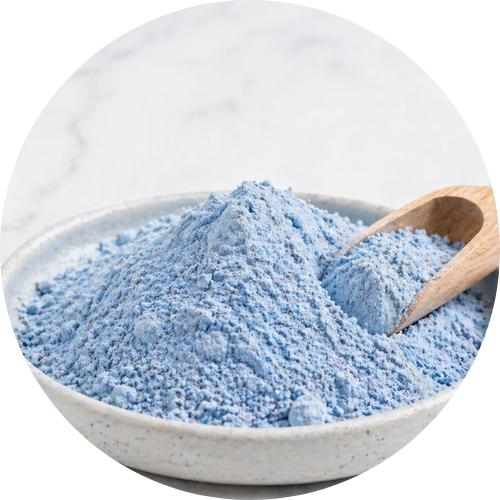
Maintaining Alkalinity Balance
Maintaining alkalinity balance is one of the most critical factors in successful spirulina cultivation, directly influencing growth rate, pigment quality, and overall yield. Spirulina thrives in highly alkaline conditions, typically with a pH range between 9.5 and 11. If the alkalinity drops below this range, the culture becomes vulnerable to contamination by unwanted microorganisms such as bacteria, algae, or fungi, which can severely affect productivity and product purity.
For commercial producers, especially Blue Spirulina manufacturers in India, maintaining a stable alkaline environment is not just a technical requirement but a quality assurance priority. Even slight fluctuations in pH can lead to reduced phycocyanin concentration—the key pigment responsible for the vibrant blue color and nutritional value of blue spirulina. As a result, consistent monitoring and precise control of water chemistry are essential throughout the cultivation cycle.
Leading Blue Spirulina manufacturers often use buffering agents like sodium bicarbonate and controlled aeration systems to stabilize alkalinity levels. Regular pH testing, automated monitoring systems, and careful nutrient management further help in maintaining an optimal growth environment. By ensuring stable alkalinity, producers can significantly enhance biomass productivity, improve pigment quality, and maintain the high purity standards required for food and nutraceutical applications.
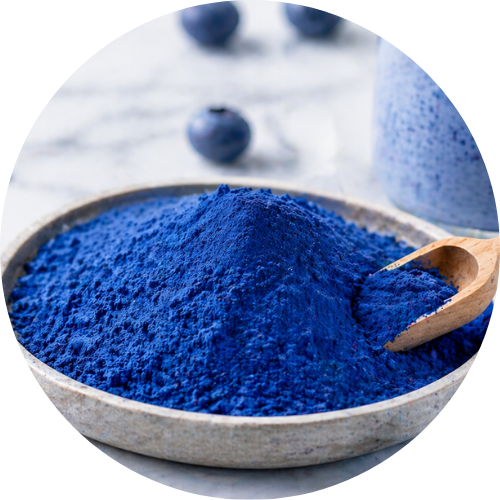
Algae Strain Degradation Problems
Algae strain stability is one of the most critical factors in successful spirulina cultivation, yet it is also one of the most common challenges faced by growers. Over time, spirulina strains can undergo genetic drift, contamination, or physiological stress, leading to reduced pigment concentration, slower growth rates, and inconsistent biomass quality. This issue becomes particularly significant in commercial production systems where maintaining high purity and nutrient density is essential for food-grade and nutraceutical applications.
For Blue Spirulina manufacturers in India, strain degradation can directly impact product quality, especially since phycocyanin—the key pigment responsible for blue spirulina’s vibrant color—is highly sensitive to environmental and biological changes. Poor strain management can result in faded color intensity, reduced antioxidant content, and lower market value. Similarly, global Blue Spirulina manufacturers often face challenges in maintaining long-term strain viability under large-scale cultivation conditions.
Low Phycocyanin Yield Causes
Spirulina is widely valued for its rich nutritional profile, but in blue spirulina production, one of the most critical quality indicators is phycocyanin yield—the natural blue pigment responsible for its color and many of its health benefits. However, achieving high phycocyanin concentration is not always consistent, and several biological, environmental, and processing factors can significantly reduce yield.
For many Blue Spirulina manufacturers in India, low phycocyanin output becomes a key challenge in maintaining product quality and meeting growing market demand. Similarly, global Blue Spirulina manufacturers continuously work on refining cultivation and extraction methods to ensure stable pigment production.
Pest and Microbial Contamination Risks
One of the most critical challenges in spirulina cultivation is managing pest intrusion and microbial contamination. Although spirulina is grown in highly alkaline water conditions that naturally deter many harmful organisms, farming systems are still vulnerable to contamination from airborne microbes, insects, and unwanted algal species. These contaminants can disrupt culture purity, reduce biomass productivity, and significantly affect the color, nutritional profile, and safety of the final product.
For large-scale producers, maintaining a controlled environment is essential. Even minor lapses in hygiene or water quality can lead to rapid contamination spread across cultivation tanks. This becomes particularly important for premium-grade spirulina products, where consistency and purity directly influence market value. As demand rises, Blue Spirulina manufacturers in India are increasingly adopting closed-system cultivation methods and advanced filtration techniques to minimize these risks.
Harvesting Inefficiencies in Spirulina Cultivation
Harvesting is one of the most critical stages in spirulina farming, yet it is also where many producers face significant inefficiencies. Spirulina is a microscopic algae suspended in water, which makes separation, filtration, and collection a delicate and time-sensitive process. Any delay or improper technique can lead to biomass loss, reduced nutrient quality, and contamination risks, ultimately affecting overall productivity and profitability.
One of the most common challenges in harvesting is the clogging of filtration systems. Since spirulina cultures are highly concentrated in water, manual or semi-automated filtration methods often struggle to maintain consistency at scale. Additionally, improper harvesting timing can result in reduced protein content and pigment degradation, especially for premium-grade blue spirulina used in food, beverage, and cosmetic applications.
Climate Dependency Challenges
Spirulina cultivation is highly sensitive to environmental conditions, making climate dependency one of the most significant challenges in large-scale production. Factors such as temperature fluctuations, inconsistent sunlight, seasonal changes, and humidity levels can directly affect the growth rate, pigment quality, and overall biomass yield of spirulina cultures. In regions with unpredictable weather patterns, maintaining stable production becomes even more difficult, requiring controlled systems and continuous monitoring.
For the growing nutraceutical industry in India, this challenge is especially relevant. Many Blue Spirulina manufacturers in India are investing in climate-controlled cultivation systems such as closed photobioreactors to reduce dependency on natural weather conditions. Leading Blue Spirulina manufacturers are also adopting hybrid farming models that combine outdoor ponds with indoor controlled environments to ensure consistent quality and year-round production.
Equipment Maintenance Issues
Spirulina cultivation relies heavily on precise and well-maintained equipment to ensure stable growth conditions, consistent quality, and high productivity. However, one of the major challenges faced by producers is equipment maintenance issues, which can directly affect output efficiency and product purity. From photobioreactors and filtration systems to drying units and nutrient dosing equipment, even minor malfunctions can disrupt the entire cultivation cycle.
In large-scale operations, especially among Blue Spirulina manufacturers in India, equipment downtime or improper calibration often leads to contamination risks, uneven biomass growth, and reduced pigment quality. Since blue spirulina is a premium product used in food, beverage, and nutraceutical applications, maintaining strict operational control is essential. Any lapse in equipment performance can significantly impact the final product consistency, making maintenance a critical focus area for producers.
Modern Solutions Using Automation
The spirulina industry is rapidly evolving, and automation is playing a key role in transforming traditional farming methods into highly efficient, scalable systems. As demand for high-quality spirulina continues to rise, especially in the nutraceutical and food coloring sectors, Blue Spirulina manufacturers in India are increasingly adopting modern automated solutions to improve productivity, consistency, and purity.
Automation in spirulina cultivation helps control critical growth parameters such as temperature, pH levels, light intensity, and nutrient dosing with precision. Instead of relying on manual monitoring, advanced sensor-based systems and IoT-enabled cultivation tanks ensure real-time adjustments that maintain optimal growth conditions. This significantly reduces the risk of contamination and human error, which are common challenges in conventional farming.
1. Why does spirulina culture fail?
2. How can contamination be prevented?
3. What affects spirulina growth rate?
4. Is automation useful in farming?
5. How do you increase yield?
Algology — microalgae manufacturer & exporter in India
Explore our solutions: Spirulina Manufacturers in India · Blue Spirulina Manufacturers in India · Phycocyanin Manufacturers in India.