
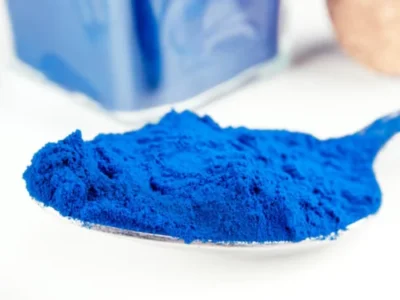
Comparing natural blue spirulina pigment with synthetic food dyes used in food and beverages.
In today’s health-conscious food industry, color is no longer just about appearance—it’s about safety, source, and transparency. As consumers become more aware of what goes into their food and beverages, the debate between natural and synthetic colorants has gained significant attention. One of the most striking comparisons in this space is Blue Spirulina vs Artificial Blue Colorants.
Blue Spirulina, a vibrant blue pigment extracted from natural algae, is widely recognized for its clean-label appeal and nutritional benefits. On the other hand, artificial blue dyes are chemically synthesized and commonly used in processed foods and drinks to achieve bright, consistent coloring at a lower cost. While synthetic colorants offer stability and affordability, growing health concerns and regulatory scrutiny are pushing brands to explore safer alternatives.
What Are Artificial Blue Colorants?
Artificial blue colorants are synthetic food dyes that are chemically manufactured to give food and beverages a bright, uniform blue appearance. These colorants are widely used in processed foods such as candies, soft drinks, baked goods, dairy products, and confectionery items because they are inexpensive, stable under different processing conditions, and provide consistent color intensity. Common examples of synthetic blue dyes include Brilliant Blue FCF (Blue 1) and Indigo Carmine (Blue 2). While they are approved for use within regulated limits in many countries, concerns have been raised about their long-term health effects, potential allergic reactions, and their heavily processed chemical origin. As a result, consumers and food brands are increasingly shifting toward clean-label and plant-based alternatives.
Natural vs Synthetic Pigments
In the modern food, beverage, and nutraceutical industries, color plays a crucial role in product appeal and consumer perception. However, beyond aesthetics, there is a growing focus on the origin and safety of these colorants. The discussion around Natural vs Synthetic Pigments has become increasingly important as consumers shift toward clean-label and plant-based ingredients.
Natural pigments, such as those derived from plants, algae, and fruits, are gaining popularity due to their perceived health benefits and eco-friendly nature. Among them, Blue Spirulina stands out as one of the most vibrant and stable natural blue color sources available today. It is widely used in health foods, smoothies, confectionery, and beverages as a safer alternative to artificial dyes.
Health Impact Comparison
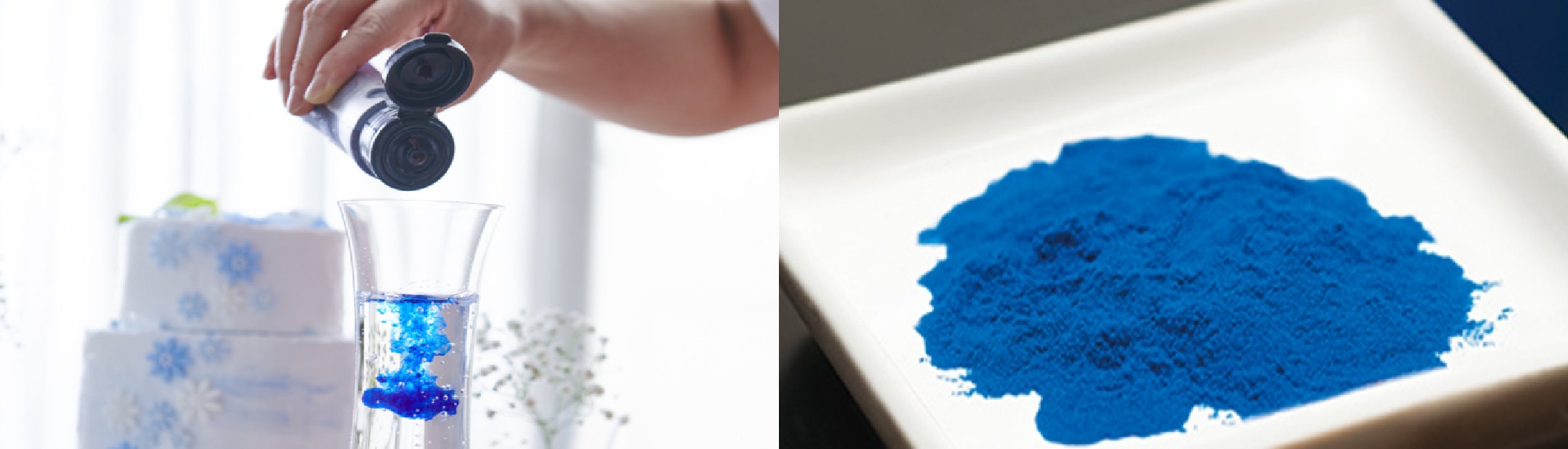
When evaluating Blue Spirulina vs Artificial Blue Colorants, one of the most important factors to consider is their impact on human health. With increasing awareness around clean-label ingredients, consumers and food brands are carefully assessing what these colorants mean for long-term wellness.
Blue Spirulina is a natural pigment derived from nutrient-rich algae and is generally considered safe for consumption. It contains beneficial compounds such as phycocyanin, which is known for its antioxidant and anti-inflammatory properties. Because it is plant-based, Blue Spirulina is often preferred in health-focused foods, beverages, supplements, and functional nutrition products. This has encouraged many Blue Spirulina manufacturers in India to focus on producing high-purity, food-grade extracts that meet global safety and quality standards.
Stability in Food Applications
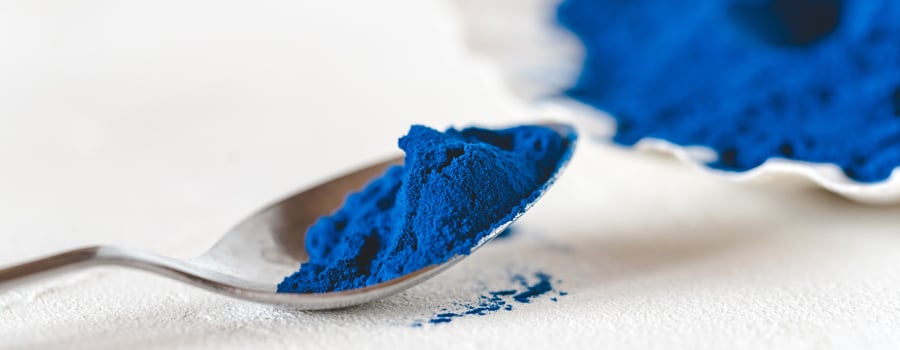
In the rapidly evolving food and beverage industry, ingredient stability plays a crucial role in determining product quality, shelf life, and consumer appeal. When it comes to natural colorants, one of the most discussed topics is how well they perform under different processing conditions such as heat, light, pH changes, and storage duration. This is especially important when comparing plant-based pigments like Blue Spirulina with synthetic alternatives.
Blue Spirulina, derived from nutrient-rich microalgae, is known for its vibrant natural blue pigment called phycocyanin. However, its stability in food applications can vary depending on formulation conditions. Exposure to high temperatures, acidic environments, or prolonged light can impact its color intensity. Despite these challenges, advancements in extraction and microencapsulation techniques have significantly improved its performance in beverages, confectionery, dairy products, and functional foods.
Cost Differences
When comparing natural and synthetic food colorants, one of the most important factors for manufacturers and brands is cost. Artificial blue colorants are generally cheaper to produce because they are chemically synthesized on a large industrial scale, allowing consistent pricing and easy availability. This makes them a preferred choice for mass-market processed foods and beverages where cost efficiency is a priority.
In contrast, Blue Spirulina manufacturers in India produce a premium natural pigment extracted from Arthrospira platensis through controlled cultivation and careful extraction processes. This involves higher production costs due to factors such as specialized farming conditions, quality testing, purification, and compliance with food safety standards. As a result, Blue Spirulina extract is priced significantly higher than synthetic dyes.
Consumer Preference Shift Toward Natural Colours
In recent years, there has been a noticeable transformation in consumer behavior across the global food and beverage industry. People are becoming more conscious about ingredient labels, preferring products that are clean, safe, and derived from natural sources. This growing awareness has significantly driven the consumer preference shift toward natural colours, replacing synthetic dyes with plant-based and algae-derived alternatives.
One of the most prominent natural blue color options gaining popularity is Blue Spirulina, known for its vibrant hue and natural origin from blue-green algae. Unlike artificial colorants, Blue Spirulina is perceived as a healthier and more sustainable choice, making it highly attractive for health-focused brands, organic food manufacturers, and premium beverage companies.
Clean Label Movement
The global food and beverage industry is undergoing a major transformation driven by the Clean Label Movement, where consumers increasingly demand transparency, natural ingredients, and minimal processing in the products they consume. This shift is encouraging brands to move away from synthetic additives, artificial colors, and chemical preservatives, and instead adopt plant-based and naturally derived alternatives.
One of the key ingredients gaining attention in this movement is Blue Spirulina, a natural blue pigment extracted from algae. Known for its vibrant color and clean nutritional profile, Blue Spirulina is becoming a preferred choice for manufacturers aiming to create visually appealing yet health-conscious products. As demand for natural food colors continues to grow, Blue Spirulina manufacturers in India are playing a crucial role in supplying high-quality, food-grade pigments to both domestic and international markets.
Applications in Food Industry
The food and beverage industry is rapidly evolving toward natural, clean-label ingredients, and Blue Spirulina manufacturers in India are playing a key role in this transformation. Derived from the natural pigment phycocyanin, Blue Spirulina is widely valued for its intense blue color, plant-based origin, and functional health benefits, making it a preferred alternative to synthetic dyes.
One of the major applications of Blue Spirulina is in beverages, where it is used to create visually appealing smoothies, energy drinks, detox waters, and plant-based milk alternatives. Its natural origin aligns perfectly with the growing demand for healthy and vegan-friendly drink options. Similarly, in the bakery and confectionery sector, Blue Spirulina is used to color cakes, pastries, frosting, candies, and chocolates without compromising on safety or nutritional value.
Regulatory Restrictions on Artificial Colours
In recent years, the global food industry has witnessed a significant shift in how artificial colours are regulated, with stricter guidelines being introduced to ensure consumer safety. Synthetic food dyes, especially artificial blue colourants, are increasingly under scrutiny due to potential health concerns, labeling requirements, and varying approvals across different countries. Regulatory bodies in several regions have tightened permissible limits or mandated clearer disclosure of synthetic additives in food and beverage products.
As a result, food and beverage manufacturers are actively exploring safer and more natural alternatives to comply with evolving regulations while meeting consumer demand for clean-label products. This transition has created a strong opportunity for natural pigments like Blue Spirulina, which is gaining popularity as a stable, plant-based blue coloring agent.
Market Transition Trends
In the rapidly growing natural food color industry, Blue Spirulina manufacturers in India are increasingly focusing on obtaining internationally recognized quality certifications to ensure product safety, consistency, and global market acceptance. These certifications play a crucial role in establishing trust among food, beverage, and nutraceutical companies that rely on high-purity phycocyanin extracts.
For leading Blue Spirulina manufacturers, compliance with strict certification standards such as ISO, HACCP, GMP, and organic certifications is essential. These quality benchmarks ensure that the entire production process—from spirulina cultivation to extraction and packaging—follows hygienic practices, contamination control, and traceability systems. Certifications like ISO 22000 and HACCP specifically focus on food safety management, reducing risks of microbial contamination and chemical residues in the final product.
1. Is blue spirulina safer than synthetic dye?
2. Why are companies replacing artificial colors?
3. Does natural blue color fade faster?3. Does natural blue color fade faster?
4. Is it more expensive than synthetic dye?
5. Which industries use it the most?
Algology — microalgae manufacturer & exporter in India
Explore our solutions: Spirulina Manufacturers in India · Blue Spirulina Manufacturers in India · Phycocyanin Manufacturers in India.