
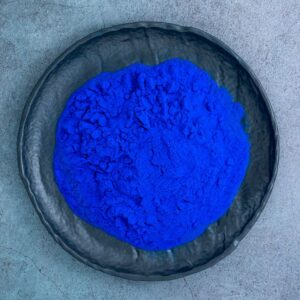
Analyzing the growing investment potential in spirulina farming, extraction, and global trade.
The global shift toward natural food ingredients and sustainable nutrition is creating strong momentum in the spirulina sector. Within this space, blue spirulina (phycocyanin extract) has emerged as a high-value ingredient used in food, beverages, nutraceuticals, and cosmetics. As demand for clean-label blue colorants increases, the industry is attracting significant capital inflow into spirulina farming, extraction technologies, and international trade networks.
India, in particular, is becoming a strategic hub due to its favorable climate, cost-efficient production base, and expanding export capabilities. This has positioned Blue Spirulina manufacturers in India as key players in the global supply chain, with growing recognition among international buyers and food-tech companies.
Global Market Size & Growth Rate
The global demand for natural food colorants and plant-based nutrition has significantly boosted the spirulina industry, with blue spirulina (phycocyanin extract) emerging as one of the fastest-growing segments. The market is expanding rapidly across food & beverages, dietary supplements, cosmetics, and functional wellness products due to increasing consumer preference for clean-label and plant-derived ingredients. In recent years, the global spirulina and phycocyanin market has been witnessing strong double-digit growth, driven by rising awareness of health benefits, vegan trends, and the replacement of synthetic blue dyes with natural alternatives. North America and Europe currently lead in consumption, while Asia-Pacific is emerging as a key production hub due to cost-effective cultivation and processing capabilities.
Startup Opportunities in Algae Farming
Algae farming is rapidly emerging as a high-potential agritech sector, driven by increasing global demand for sustainable nutrition, natural colorants, and plant-based protein sources. Among the various algae-based products, spirulina—especially blue spirulina (phycocyanin extract)—stands out for its high market value and wide application in food, beverages, nutraceuticals, and cosmetics.
In this evolving landscape, Blue Spirulina manufacturers in India are playing a crucial role in shaping the industry by leveraging cost-effective cultivation techniques, favorable climatic conditions, and expanding export opportunities. India is steadily becoming a preferred destination for spirulina-based start-ups due to lower production costs and rising global demand.
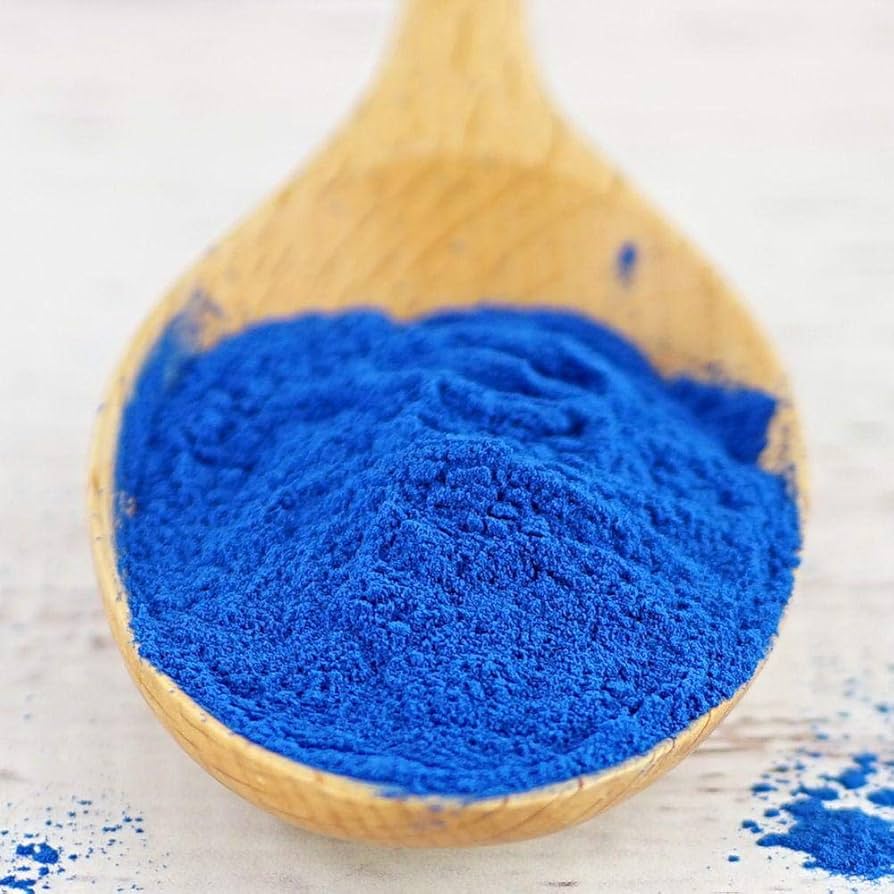
Phycocyanin Manufacturing Units
The rapid expansion of the natural food color and nutraceutical industry has significantly increased the demand for phycocyanin manufacturing units, the core facilities responsible for extracting and refining blue pigment from spirulina biomass. As industries shift toward clean-label and plant-based ingredients, phycocyanin has become a highly sought-after compound in food, beverage, cosmetics, and health supplement applications.
India is emerging as a strong production hub due to its scalable algae cultivation ecosystem and cost-efficient processing capabilities. This growth has elevated the role of Blue Spirulina manufacturers in India, who are investing in advanced extraction technologies, quality control systems, and large-scale production facilities to meet global demand.

Export-Oriented Business Models
The global demand for natural food colorants, nutraceutical ingredients, and plant-based proteins has positioned spirulina as a high-value export commodity. Among its derivatives, blue spirulina (phycocyanin extract) is gaining exceptional traction in international markets such as the USA, Europe, Japan, and the Middle East. This growing demand is encouraging Blue Spirulina manufacturers in India to shift toward export-driven strategies that maximize scalability, compliance, and global competitiveness.
An export-oriented business model in this industry typically focuses on integrated production systems that combine spirulina cultivation, high-purity extraction, quality testing, and international packaging standards. Blue Spirulina manufacturers are increasingly investing in closed-system photobioreactors, advanced drying technologies, and food-grade extraction facilities to meet strict global regulations such as USDA Organic, EU Organic, and ISO certifications.
Government Support & Subsidies
The growth of the blue spirulina sector is strongly influenced by increasing government interest in sustainable agriculture, bio-based industries, and nutraceutical production. In India, various central and state-level initiatives are helping strengthen the algae cultivation ecosystem, making it easier for Blue Spirulina manufacturers in India to scale production and improve export competitiveness.
Schemes supporting organic farming, aquaculture development, and biotechnology innovation are indirectly benefiting spirulina cultivation units by reducing initial setup costs and encouraging technology adoption. Financial assistance, soft loans, and subsidies for greenhouse infrastructure, water management systems, and bio-processing equipment are particularly relevant for Blue Spirulina manufacturers engaged in large-scale farming and phycocyanin extraction.
ROI in Spirulina Production
Return on Investment (ROI) in spirulina production has become a key attraction for entrepreneurs and investors entering the natural nutraceutical and plant-based colorant industry. With rising global demand for clean-label ingredients, spirulina—especially blue spirulina (phycocyanin)—offers strong profit potential across farming, processing, and export markets.
One of the main drivers of high ROI is the increasing demand from food, beverage, and cosmetic industries seeking natural alternatives to synthetic colors. This shift has significantly benefited Blue Spirulina manufacturers in India, who operate in a cost-effective production environment with access to favorable climatic conditions for algae cultivation. Lower operational costs, combined with expanding export opportunities, help improve overall profit margins.
Risks & Market Volatility
Despite the rapid growth and strong investment interest in the blue spirulina sector, the industry is not without challenges. Investors and Blue Spirulina manufacturers in India must navigate several risk factors that can impact profitability, scalability, and long-term stability.
One of the primary concerns is price volatility in global demand. Since blue spirulina (phycocyanin) is largely driven by trends in food coloring, nutraceuticals, and clean-label products, sudden shifts in consumer preferences or regulatory changes in key export markets can directly affect revenue streams for Blue Spirulina manufacturers.
Another significant risk is production dependency on environmental conditions. Spirulina cultivation requires controlled temperature, water quality, and sunlight exposure. Any disruption—such as climate variations, contamination risks, or inconsistent harvest cycles—can impact yield consistency, especially for large-scale Blue Spirulina manufacturers in India aiming to meet export-grade standards.
Technology-Driven Investments
The blue spirulina industry is rapidly evolving from traditional algae cultivation into a highly technology-driven sector, attracting strong investor interest worldwide. Advances in biotechnology, automation, and precision farming are transforming how Blue Spirulina manufacturers in India operate, making production more efficient, scalable, and commercially viable.
Modern Blue Spirulina manufacturers are increasingly adopting controlled photobioreactor systems instead of open pond cultivation. These systems allow precise regulation of light, temperature, pH, and nutrient supply, resulting in higher biomass yield and improved phycocyanin concentration. This technological shift significantly reduces contamination risks and enhances product purity—key factors that influence global demand.
Private Equity & Funding Trends
The blue spirulina industry is rapidly transitioning from a niche natural ingredient market into a high-growth investment sector, attracting increasing attention from venture capitalists, private equity firms, and strategic food-tech investors. As global demand for natural blue colorants and plant-based nutraceuticals rises, Blue Spirulina manufacturers in India are emerging as attractive investment destinations due to their scalability, export potential, and cost-efficient production ecosystem.
One of the key funding trends is the shift toward early-stage investments in algae cultivation startups and mid-stage expansion funding for extraction and purification facilities. Investors are particularly interested in companies that focus on high-purity phycocyanin extraction, as this segment offers significantly higher margins compared to raw spirulina powder production. As a result, Blue Spirulina manufacturers that demonstrate technological innovation and quality certifications are more likely to secure private equity backing.
Long-Term Industry Outlook
The long-term outlook for the blue spirulina industry remains highly promising, driven by increasing global demand for natural food colorants, plant-based nutrition, and sustainable bio-based ingredients. As consumers and manufacturers move away from synthetic additives, blue spirulina (phycocyanin) is expected to play a major role in food, beverage, nutraceutical, and cosmetic formulations worldwide.
India is well-positioned to become a global production leader due to its favorable cultivation conditions, low production costs, and expanding biotechnology infrastructure. Over the next decade, Blue Spirulina manufacturers in India are expected to scale significantly, supported by export-driven demand, government interest in algae-based industries, and rising private sector investment in sustainable bio-manufacturing.