
Spirulina is sold as powder, tablets and capsules, and the format you choose changes far more than convenience — it affects dosage, taste, cost per gram and how easily you can fit it into your routine. This guide compares all three so you can pick the right one.
Spirulina powder
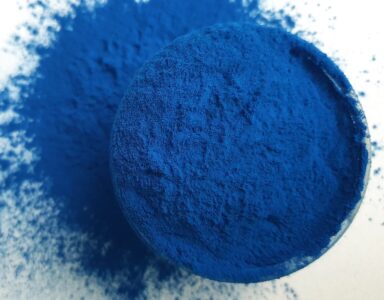
Powder is the original, most versatile form and usually the best value per gram. You can stir it into smoothies, juices, energy balls and recipes, and it makes taking larger doses simple. The trade-off is taste: green spirulina powder has a strong, earthy, slightly marine flavour that some people find hard to mask. It can also be messy and stain surfaces. (Blue spirulina powder is the exception — it is nearly tasteless and adds vivid colour, which is why it is popular in food and drinks.)
Spirulina tablets
Tablets are simply spirulina powder compressed into a solid form, sometimes with a small amount of binder. They are convenient, portable and easy to swallow without tasting the earthiness. The downsides: you often need several tablets to equal a single powder serving, the cost per gram is higher, and binders or fillers may be used. Tablets suit people who want spirulina’s benefits without the flavour or the measuring.
Spirulina capsules
Capsules enclose the powder in a dissolvable shell, so there is no taste at all and usually no binders. They are the most convenient for precise, no-fuss dosing and travel. The catch is price: capsules are typically the most expensive per gram, and they are impractical for high daily doses because you would need to swallow many.
Side-by-side comparison
| Format | Taste | Best for | Value/gram | Dosing |
|---|---|---|---|---|
| Powder | Earthy (noticeable) | Smoothies, high doses, value seekers | Best | Flexible |
| Tablets | Neutral to swallow | Convenience, travel | Moderate | Count tablets |
| Capsules | None | No-taste, precise dosing | Lowest | Very easy |
Which should you choose?
If value and flexibility matter, or you already make smoothies, choose powder. If you dislike the taste or want grab-and-go convenience, choose tablets or capsules. Many people keep powder at home and capsules for travel. And if your goal is to add natural colour to food and drinks rather than supplement, blue spirulina powder is the clear pick because it is vivid and flavour-neutral.
Does format affect the nutrition?
The spirulina inside is the same regardless of format — the differences are convenience, dose size, taste and cost, not the underlying nutrition. What matters far more is the quality of the spirulina: how it was grown, processed and tested. A premium powder will always beat a cheap tablet, and vice versa.
Dosage basics
Common intakes range from about 1 to 3 grams per day, but always follow the product’s label and consult a professional if you are unsure or have a health condition. Start low and increase gradually so your body can adjust.
Frequently asked questions
Are spirulina tablets as effective as powder? Yes — format mainly changes convenience and cost, not the nutrition.
Why do capsules cost more? The encapsulation process and shell add cost, and you get fewer grams per unit.
Which is best for beginners? Tablets or capsules, to avoid the taste while you get used to it.
How many tablets equal a teaspoon of powder? It varies by brand and tablet size, so check the label — often several tablets equal one powder serving.
Looking to source spirulina in bulk? Algology supplies powder and extract formats — see our products and spirulina manufacturing capabilities.