
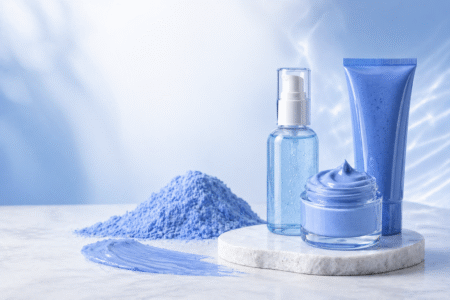
A detailed look at how phycocyanin is extracted and purified from spirulina biomass.
Phycocyanin, the vibrant blue pigment extracted from Spirulina, has gained significant attention in recent years due to its wide applications in food, nutraceuticals, cosmetics, and pharmaceuticals. Known for its antioxidant, anti-inflammatory, and potential immune-boosting properties, phycocyanin is one of the most valuable bioactive compounds derived from microalgae. The process of obtaining this natural pigment from Spirulina biomass involves a carefully controlled series of extraction and purification steps to ensure high purity, stability, and bioactivity.
The extraction process typically begins with the cultivation and harvesting of Spirulina, followed by drying and cell disruption to release the intracellular phycocyanin. Since the pigment is water-soluble, mild extraction methods such as aqueous extraction, freeze-thaw cycles, or mechanical disruption are commonly used to preserve its structural integrity. Once extracted, the crude phycocyanin solution undergoes multiple purification stages, including filtration, precipitation, and chromatography, to remove unwanted proteins, chlorophyll, and other impurities. The final product is a highly purified blue pigment that meets industry standards for use in food-grade and pharmaceutical applications.
Harvesting Spirulina Biomass
Harvesting Spirulina biomass is one of the most critical stages in the production of high-quality phycocyanin and other Spirulina-based products. Spirulina, a blue-green microalga, is cultivated in controlled alkaline water systems where it rapidly multiplies under optimal light, temperature, and nutrient conditions. Once the culture reaches peak density, the biomass is carefully harvested to ensure maximum yield and nutrient retention. The harvesting process typically involves filtration or screening techniques to separate Spirulina filaments from the growth medium. Since Spirulina is naturally filamentous, it can be efficiently collected using fine mesh filters or membrane systems without the need for complex centrifugation in some cases. After filtration, the collected biomass is thoroughly washed with clean water to remove residual salts and impurities from the cultivation medium.
Cell Disruption Techniques
Cell disruption is one of the most critical steps in the extraction of phycocyanin from Spirulina, as the valuable blue pigment is stored inside the rigid cell walls of the microalgae. Efficient disruption of these cells is essential to maximize yield, maintain pigment stability, and ensure high-quality output suitable for commercial applications. The choice of technique directly impacts the purity, color intensity, and overall efficiency of the extraction process, making it a key focus area for modern bioprocessing systems.
There are several commonly used cell disruption techniques in the Spirulina industry, each with its own advantages depending on scale and application. Mechanical methods such as bead milling, high-pressure homogenization, and ultrasonication are widely used for large-scale production. These methods physically break the cell walls, releasing phycocyanin into an aqueous medium. Ultrasonication, in particular, is valued for its efficiency and ability to preserve pigment quality when optimized properly.
Aqueous Extraction Process
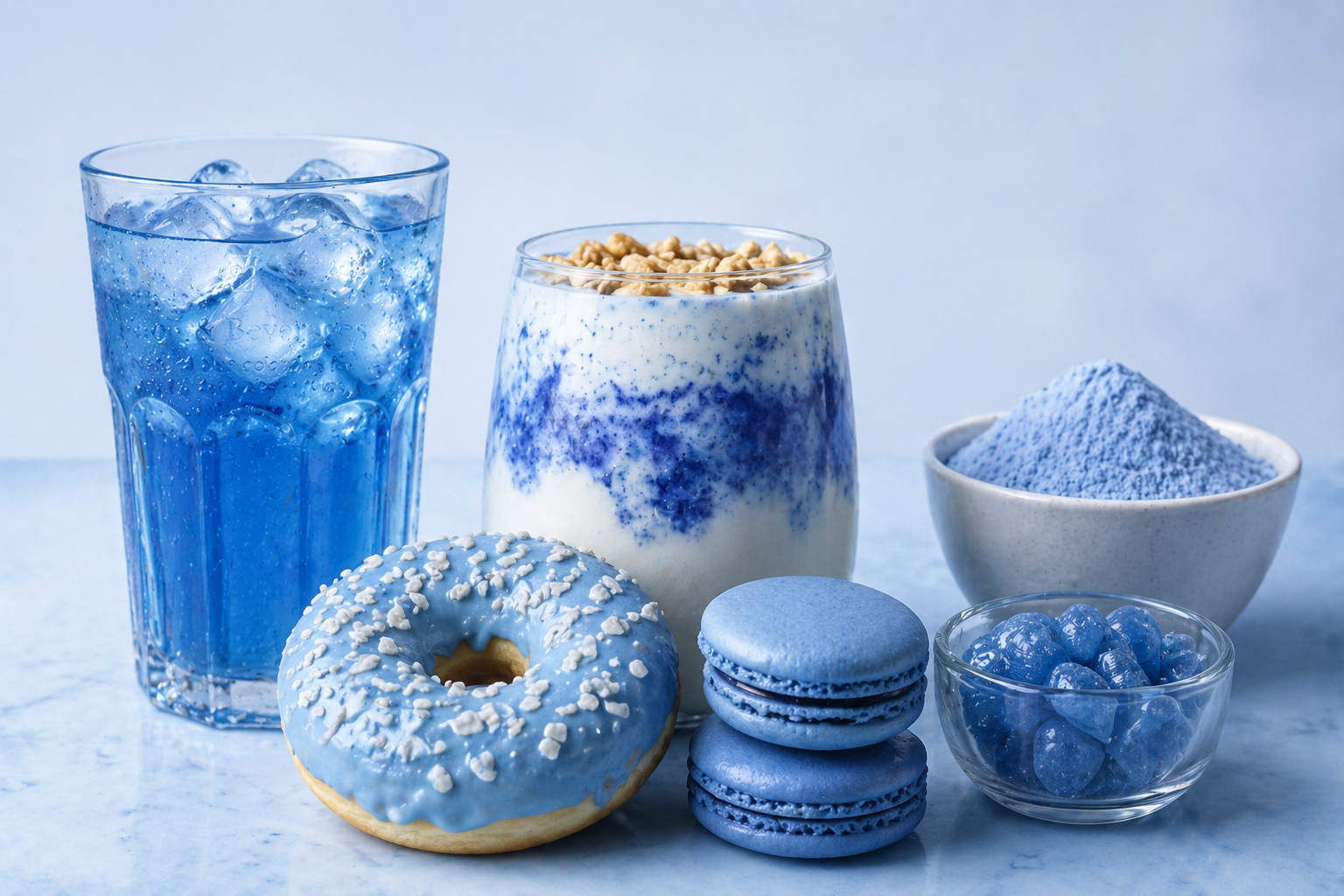
The aqueous extraction process is one of the most widely used and efficient methods for obtaining high-quality phycocyanin from Spirulina biomass. This method is preferred because it is simple, cost-effective, and preserves the natural structure and bioactivity of the pigment. Since phycocyanin is water-soluble, water serves as an ideal medium for extraction, making the process both eco-friendly and suitable for food-grade applications.
In this process, dried Spirulina biomass is first subjected to cell disruption techniques such as freezing and thawing, homogenization, or mild mechanical grinding. This step helps break the tough cell walls of Spirulina, allowing the intracellular phycocyanin to be released into the surrounding aqueous medium. The biomass is then mixed with chilled distilled water under controlled conditions of temperature and pH to prevent degradation of the pigment.
Filtration & Centrifugation Methods
Filtration and centrifugation are critical downstream processing techniques in the extraction of phycocyanin from Spirulina, playing a key role in achieving high purity, stability, and commercial-grade quality of the final blue pigment. These methods are widely adopted in modern production systems to separate cellular debris, concentrate bioactive compounds, and ensure consistency in product output, especially in large-scale manufacturing environments.
In the initial stage, once Spirulina biomass is disrupted and phycocyanin is released into the solution, filtration is used to remove coarse particles such as cell wall fragments and insoluble residues. Techniques like microfiltration and membrane filtration help in clarifying the crude extract while preserving the integrity of the heat-sensitive pigment. This step is essential because even small impurities can affect the color quality and stability of phycocyanin in final applications such as food colorants, dietary supplements, and cosmetics.
Spray Drying vs Freeze Drying
In the production of high-quality Spirulina-derived products, especially phycocyanin and blue spirulina powder, drying technology plays a crucial role in determining final product quality, stability, and cost efficiency. Among the most widely used methods are spray drying and freeze drying, each offering distinct advantages and limitations. For Blue Spirulina manufacturers in India and global Blue Spirulina manufacturers, choosing the right drying technique is essential to balance product quality with commercial scalability.
Spray drying is a fast and cost-effective method where liquid Spirulina extract is atomized into fine droplets and exposed to hot air, quickly converting it into powder form. This process is widely used in large-scale production because it is efficient, continuous, and suitable for mass manufacturing. However, the high-temperature exposure can sometimes lead to partial degradation of heat-sensitive compounds like phycocyanin, potentially affecting color intensity and bioactive properties. Despite this, many Blue Spirulina manufacturers prefer spray drying for its affordability and ability to produce consistent powder with good shelf stability.
Purification Techniques
Purification is a critical stage in the production of high-quality phycocyanin extracted from Spirulina, as it directly determines the pigment’s color intensity, stability, and suitability for food, nutraceutical, and pharmaceutical applications. After the initial extraction of crude phycocyanin from Spirulina biomass, the solution contains a mixture of proteins, pigments, lipids, and other cellular components. To obtain a commercially viable product, these impurities must be carefully removed through advanced purification techniques.
One of the most commonly used methods is filtration and centrifugation, where solid residues and insoluble particles are separated from the liquid extract. This step helps clarify the crude solution and prepares it for further refinement. Following this, ammonium sulfate precipitation is often employed to selectively isolate phycocyanin based on its solubility characteristics. This technique enhances the concentration of the pigment while reducing unwanted proteins.
Yield Optimization Strategies
Yield optimization plays a crucial role in the commercial production of phycocyanin, especially as demand continues to rise in the global natural colorant and nutraceutical markets. For producers working with Spirulina biomass, improving extraction yield directly impacts cost efficiency, product quality, and market competitiveness. This is particularly important for Blue Spirulina manufacturers in India, where large-scale cultivation and processing are rapidly expanding to meet both domestic and export demand.
One of the primary strategies to improve yield is optimizing the cultivation conditions of Spirulina itself. Factors such as light intensity, temperature, pH, nutrient composition, and CO₂ supply significantly influence biomass productivity and phycocyanin content. By maintaining controlled photobioreactor systems or well-managed open pond systems, manufacturers can enhance pigment concentration within the Spirulina cells before extraction even begins. Many Blue Spirulina manufacturers are now adopting precision farming techniques and automated monitoring systems to ensure consistent biomass quality.
Temperature Sensitivity in Extraction
The extraction of phycocyanin from Spirulina is a highly delicate process where temperature plays a critical role in determining both yield and pigment quality. Phycocyanin is a heat-sensitive protein pigment, meaning even slight exposure to elevated temperatures can lead to structural degradation, loss of color intensity, and reduced bioactivity. Because of this, maintaining controlled low-temperature conditions throughout the extraction process is essential for producing high-quality blue pigment suitable for food, nutraceutical, and pharmaceutical applications.
During extraction, Spirulina biomass is typically processed in chilled conditions, often ranging between 4°C to 25°C, depending on the method used. At higher temperatures, the protein structure of phycocyanin begins to denature, resulting in reduced stability and lower commercial value. This makes temperature control one of the most important parameters in ensuring product consistency and purity. Many manufacturers also use cold-buffer solutions and refrigerated equipment to preserve pigment integrity during cell disruption and filtration stages.
Industrial vs Lab-Scale Extraction
The extraction of phycocyanin from Spirulina can be carried out at both laboratory and industrial scales, but the processes differ significantly in terms of equipment, efficiency, cost, and application outcomes. Understanding these differences is essential for evaluating how high-quality natural blue pigment is produced and supplied to global markets by Blue Spirulina manufacturers in India and other Blue Spirulina manufacturers worldwide.
At the lab-scale level, phycocyanin extraction is primarily focused on research, experimentation, and small-batch production. The process usually involves simple techniques such as freeze-thaw cycles, sonication, or solvent-based extraction using distilled water or buffer solutions. These methods are designed to preserve pigment integrity while allowing scientists to study yield, purity, and stability under controlled conditions. Lab-scale extraction typically produces small quantities of highly purified phycocyanin, which is ideal for testing applications in pharmaceuticals, food science, and biotechnology research.
Waste Management in Extraction Units
Efficient waste management in extraction units plays a crucial role in ensuring sustainable and environmentally responsible production of phycocyanin from Spirulina. As the demand for natural blue pigment continues to grow, especially in the food, nutraceutical, and cosmetic industries, extraction facilities must adopt eco-friendly practices that minimize waste generation while maximizing resource utilization. This becomes particularly important for Blue Spirulina manufacturers in India and other global producers who aim to meet both regulatory standards and sustainability expectations.
During the extraction of phycocyanin, several by-products are generated, including residual biomass, spent Spirulina solids, wash water, and trace organic impurities. If not managed properly, these wastes can contribute to environmental pollution and increased operational costs. Therefore, modern extraction units focus on implementing integrated waste management systems that emphasize reduction, reuse, and recycling of by-products.