
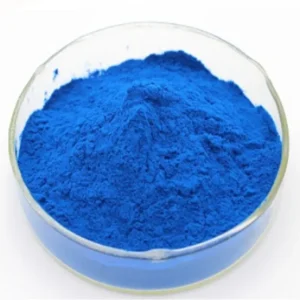
Understanding global regulatory requirements for producing and exporting spirulina-based products.
The global demand for spirulina and phycocyanin-based products is growing rapidly, driven by the rise of natural food colorants, nutraceuticals, and plant-based nutrition trends. However, entering and expanding in this market requires a clear understanding of international regulatory frameworks that govern production, quality standards, safety compliance, and export requirements.
For companies operating in this space, especially Blue Spirulina manufacturers in India, compliance is not just a legal necessity but also a key factor in building global trust and competitiveness. Different regions such as the EU, USA, Japan, and other Asian markets have distinct guidelines related to food safety authorities like FDA, EFSA, and FSSAI, covering aspects such as heavy metal limits, microbial safety, labeling standards, and permissible usage levels of natural blue colorants like phycocyanin.
Food Safety Regulations by Country
Food safety regulations for spirulina and phycocyanin-based products vary significantly across countries, making compliance a critical factor for global trade and market acceptance. For Blue Spirulina manufacturers in India and other Blue Spirulina manufacturers, understanding these country-specific standards is essential to ensure product safety, regulatory approval, and smooth export operations. In the United States, the Food and Drug Administration (FDA) regulates spirulina and its derivatives under Generally Recognized As Safe (GRAS) standards, provided they meet strict quality, contamination, and labeling requirements. Manufacturers must also comply with Good Manufacturing Practices (GMP) and ensure that phycocyanin used as a natural colorant meets purity and safety thresholds. In the European Union, the European Food Safety Authority (EFSA) enforces stringent regulations on novel foods and food additives. Spirulina-based products must undergo safety assessments, particularly for contaminants like heavy metals, microcystins, and microbial impurities. Labeling rules are also highly specific, requiring clear ingredient disclosure and permitted usage levels.
FSSAI Guidelines in India
India’s spirulina and phycocyanin industry is growing rapidly due to rising demand for natural food supplements, plant-based nutrition, and clean-label food coloring. To ensure safety, quality, and consumer trust, all producers must comply with the regulations set by the Food Safety and Standards Authority of India (FSSAI).
For Blue Spirulina manufacturers in India, FSSAI guidelines play a crucial role in defining how spirulina-based ingredients and products are produced, processed, labeled, and marketed within the country and for export purposes. These regulations ensure that spirulina meets strict food safety standards before reaching consumers.
Under FSSAI regulations, spirulina is classified as a health supplement or novel food ingredient depending on its application. Manufacturers must ensure that raw materials are cultivated under controlled conditions free from contamination such as heavy metals, pesticides, and harmful microorganisms. Proper documentation, batch testing, and quality control are mandatory to maintain compliance.
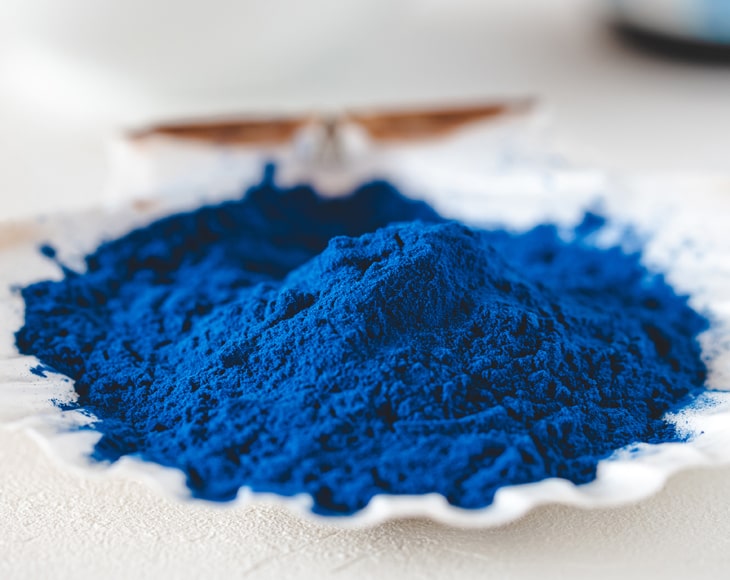
FDA & EU Approval Standards
The growing global demand for natural food colorants and nutraceutical ingredients has placed spirulina-derived phycocyanin under strict regulatory scrutiny, especially in key markets like the United States and Europe. For Blue Spirulina manufacturers in India and other regions, understanding and complying with these approval standards is essential for successful international trade and long-term market credibility.
In the United States, the Food and Drug Administration (FDA) regulates spirulina-based products under food additive and dietary supplement categories. Blue spirulina extract, commonly known as phycocyanin, is generally recognized as safe (GRAS) when produced under controlled conditions and used within approved limits. However, manufacturers must ensure compliance with FDA requirements related to purity, labeling accuracy, contamination control, and Good Manufacturing Practices (GMP). Any deviation in heavy metal content, microbial safety, or ingredient declaration can result in rejection or import alerts.

Organic Certification Requirements
Organic certification plays a crucial role in building trust, ensuring product authenticity, and expanding market access for spirulina-based products in the global nutraceutical and natural colorant industry. As demand for clean-label and plant-based ingredients continues to rise, Blue Spirulina manufacturers in India are increasingly focusing on meeting strict organic standards to stay competitive in international markets.
For Blue Spirulina manufacturers, obtaining organic certification is not just a marketing advantage but a compliance-driven process that verifies the entire production chain—from cultivation to processing. Certification bodies such as USDA Organic, EU Organic, and India Organic (NPOP under APEDA) require producers to follow stringent guidelines, including the use of organic cultivation methods, prohibition of synthetic chemicals, controlled water quality, and contamination-free harvesting practices.
Export Compliance Rules
Exporting spirulina-based products, especially phycocyanin-rich blue spirulina, requires strict adherence to international compliance standards to ensure product safety, legality, and acceptance in global markets. For Blue Spirulina manufacturers in India, understanding export compliance rules is essential to successfully enter regulated markets such as the USA, EU, Japan, and the Middle East.
For Blue Spirulina manufacturers, export compliance typically begins with meeting domestic regulatory approvals such as FSSAI licensing in India, followed by alignment with international food safety standards. This includes ensuring the product is free from contaminants like heavy metals, microbials, and toxins, which are closely monitored by importing countries.
Key export requirements often include proper documentation such as Certificate of Analysis (COA), Health Certificates, and Organic Certifications (if applicable). Many countries also require compliance with HACCP, GMP, and ISO standards to verify controlled production processes and consistent product quality.
Labelling & Packaging Regulations
In the rapidly expanding global market for natural food colors and nutraceutical ingredients, proper labelling and packaging compliance plays a crucial role in ensuring product acceptance and export readiness. For Blue Spirulina manufacturers in India, adhering to international labelling and packaging standards is essential not only for regulatory approval but also for building consumer trust across global markets.
Labelling regulations typically vary by region, but most countries require clear disclosure of product identity, ingredients, nutritional information, batch details, manufacturing and expiry dates, storage instructions, and allergen declarations. For spirulina-derived products, including phycocyanin-based blue colorants, regulatory authorities such as the FDA (USA), EFSA (Europe), and FSSAI (India) emphasize accurate classification—whether the product is positioned as a food supplement, natural colorant, or nutraceutical ingredient.
For Blue Spirulina manufacturers, packaging compliance is equally important. Packaging materials must be food-grade, non-reactive, and capable of protecting the product from moisture, light, and oxidation to preserve its bioactive properties and color stability. Many international markets also require sustainability compliance, encouraging recyclable or eco-friendly packaging solutions.
Quality Documentation Systems
In the rapidly expanding nutraceutical and natural colorant industry, Quality Documentation Systems play a crucial role in ensuring product consistency, safety, and regulatory compliance. For companies involved in spirulina cultivation and phycocyanin extraction, maintaining structured and traceable documentation is not just a compliance requirement but a foundation for global market acceptance.
For Blue Spirulina manufacturers in India, robust documentation systems help demonstrate adherence to international standards such as GMP (Good Manufacturing Practices), HACCP (Hazard Analysis and Critical Control Points), ISO certifications, and FSSAI guidelines. These systems ensure that every stage of production—from raw material sourcing and cultivation conditions to processing, testing, and packaging—is properly recorded and verifiable.
Import Restrictions in Key Markets
The global trade of spirulina and phycocyanin products is expanding, but access to international markets is governed by strict import regulations that vary significantly across regions. For Blue Spirulina manufacturers in India and other global producers, understanding these restrictions is essential to ensure smooth export operations and avoid shipment rejections or delays.
Major markets such as the United States, European Union, Japan, and the Middle East impose stringent import controls focused on food safety, product purity, and compliance with approved food additive lists. In the U.S., the Food and Drug Administration (FDA) requires spirulina and phycocyanin products to comply with Generally Recognized as Safe (GRAS) standards, along with proper labeling and contamination limits. Similarly, the European Food Safety Authority (EFSA) enforces strict regulations on natural colorants, heavy metal content, and microbial safety thresholds.
Legal Challenges in Algae Trade
The global algae industry, particularly spirulina and phycocyanin, is experiencing rapid expansion due to rising demand for natural food colors, dietary supplements, and plant-based nutrition. However, alongside this growth comes a complex web of legal and regulatory challenges that directly impact production, trade, and export activities across different regions.
For Blue Spirulina manufacturers in India, navigating these legal frameworks is especially critical, as international markets enforce strict compliance standards on food safety, labeling, and environmental sustainability. From licensing requirements and import-export restrictions to intellectual property concerns over proprietary cultivation methods, manufacturers must operate within a highly regulated ecosystem to access global markets.
Future Regulatory Trends
The global spirulina and phycocyanin market is evolving quickly as demand for natural food colorants, clean-label ingredients, and plant-based nutrition continues to rise. In this changing landscape, regulatory frameworks are also expected to become more structured, stricter, and globally aligned. Understanding these future shifts is especially important for Blue Spirulina manufacturers in India, as well as established Blue Spirulina manufacturers competing in international markets.
One of the key future trends is the tightening of safety and purity standards for natural colorants like phycocyanin. Regulatory authorities across major markets are increasingly focusing on heavy metal limits, pesticide residues, and microbial contamination to ensure higher consumer safety. This means manufacturers will need to invest more in advanced testing, traceability systems, and certified raw material sourcing.
Another important shift is the move toward global harmonization of food regulations. Agencies such as the FDA, EFSA, and other regional bodies are gradually working toward more aligned guidelines for natural food additives. For Blue Spirulina manufacturers in India, this presents an opportunity to streamline export processes, but it also demands stricter compliance with internationally recognized standards such as HACCP, ISO 22000, and GMP.