

Analyzing the growing investment potential in spirulina farming, extraction, and global trade.
The global shift toward clean-label nutrition, plant-based ingredients, and sustainable food production has significantly boosted interest in microalgae-based products, especially spirulina and its high-value extract, blue spirulina (phycocyanin). In recent years, Blue Spirulina manufacturers in India have emerged as key players in this expanding ecosystem, driven by favorable climate conditions, cost-efficient production capabilities, and increasing investments in algae biotechnology.
India’s spirulina sector is evolving from traditional biomass cultivation to advanced extraction-based value chains, where companies are focusing not just on farming but also on high-purity pigment extraction for food, nutraceutical, cosmetic, and pharmaceutical applications. This shift is opening new avenues for investors seeking exposure to sustainable bio-manufacturing and functional ingredient markets.
Global Market Size & Growth Rate
The global demand for spirulina and its high-value derivative, blue spirulina (phycocyanin), has witnessed strong and consistent growth over the past decade, driven by rising consumer preference for natural food colorants, plant-based nutrition, and functional ingredients. This expanding market is creating significant opportunities for Blue Spirulina manufacturers worldwide, especially in emerging production hubs like India. The global spirulina market is estimated to be in the multi-billion-dollar range and is projected to grow at a healthy compound annual growth rate (CAGR) of around 8–10% in the coming years. Within this broader category, blue spirulina is experiencing even faster growth due to its application in premium food and beverage products, dietary supplements, cosmetics, and pharmaceutical formulations. The demand for natural blue pigments, replacing synthetic dyes, is one of the strongest drivers accelerating market expansion.
Start-up Opportunities in Algae Farming
Algae farming is rapidly emerging as one of the most promising sectors in the global bioeconomy, driven by rising demand for sustainable food sources, natural colorants, and high-protein nutritional supplements. Among the various algae-based products, spirulina—especially blue spirulina (phycocyanin)—has gained strong commercial attention due to its wide applications in food, beverages, cosmetics, and nutraceuticals. This growing demand has opened significant entrepreneurial pathways for new ventures, particularly for those looking to collaborate with Blue Spirulina manufacturers in India and scale production for both domestic and international markets.
India offers a strong foundation for algae-based start-ups due to its favorable climate, low-cost production environment, and expanding biotechnology ecosystem. Entrepreneurs entering this space can build businesses around cultivation systems, photobioreactor technologies, harvesting units, or even value-added processing. The shift toward plant-based and clean-label ingredients has further increased the relevance of Blue Spirulina manufacturers, who are now central to supplying high-quality phycocyanin extracts to global industries.
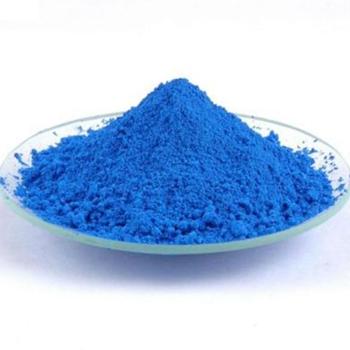
Phycocyanin Manufacturing Units
Phycocyanin manufacturing units play a critical role in transforming raw spirulina biomass into high-value natural blue pigment, which is widely used in food, beverages, cosmetics, and nutraceutical products. As global demand for clean-label and plant-based colorants continues to rise, these processing facilities have become a central component of the spirulina value chain.
In India, the rapid expansion of algae biotechnology and sustainable food ingredient production has led to the growth of advanced processing setups operated by Blue Spirulina manufacturers in India. These manufacturers are increasingly investing in modern extraction technologies to improve pigment purity, stability, and yield efficiency, enabling them to meet stringent international quality standards.

Export-Oriented Business Models
The global demand for natural food colorants, plant-based proteins, and functional nutraceutical ingredients has positioned blue spirulina as a high-value export commodity. Within this expanding market, Blue Spirulina manufacturers in India are increasingly adopting export-oriented business models to capture international opportunities and strengthen their presence in global supply chains.
India offers strong competitive advantages in spirulina production, including favorable climatic conditions, low cultivation costs, and an established base of algae cultivation expertise. As a result, Blue Spirulina manufacturers in the country are transitioning from domestic supply-focused operations to globally integrated export businesses, particularly targeting markets in the United States, Europe, Japan, and the Middle East where demand for clean-label ingredients is rapidly growing.
Government Support & Subsidies
The growth of the spirulina and blue spirulina industry in India is strongly influenced by increasing policy-level support for sustainable agriculture, biotechnology, and nutraceutical production. As demand rises for natural food colorants and plant-based nutrition, Blue Spirulina manufacturers in India are beginning to benefit from various government-led initiatives that encourage algae cultivation, bio-based industries, and rural entrepreneurship.
Several central and state government programs promote microalgae farming as part of broader efforts in renewable bio-resources and sustainable food systems. Schemes under departments such as the Ministry of Food Processing Industries (MoFPI), Department of Biotechnology (DBT), and Ministry of AYUSH indirectly support Blue Spirulina manufacturers by funding research, pilot projects, and technology development in algae cultivation and extraction processes. These initiatives help improve production efficiency, enhance pigment quality (phycocyanin), and reduce operational costs for emerging manufacturers.
ROI in Spirulina Production
The return on investment (ROI) in spirulina production has gained significant attention in recent years, especially as global demand for natural superfoods, plant-based proteins, and clean-label colorants continues to rise. Among the most profitable segments in this industry is blue spirulina (phycocyanin) extraction, which commands a premium price in international markets due to its application in food, beverages, cosmetics, and nutraceuticals. This makes the sector particularly attractive for investors evaluating long-term sustainable bio-business models.
In India, favorable climatic conditions, low production costs, and growing biotechnology expertise have positioned Blue Spirulina manufacturers in India as strong contributors to the global supply chain. Compared to many Western markets, India offers lower operational expenses for cultivation, labor, and infrastructure, which directly improves profit margins and accelerates ROI timelines.
Risks & Market Volatility
While the blue spirulina sector is gaining strong momentum globally, investors must also consider the inherent risks and market fluctuations associated with this emerging industry. Even though Blue Spirulina manufacturers in India are benefiting from rising demand in nutraceuticals, food coloring, and cosmetic applications, the market remains sensitive to multiple internal and external factors.
One of the primary risks is price volatility in raw biomass production. Spirulina cultivation depends heavily on controlled environmental conditions such as temperature, sunlight, and water quality. Any disruption in these factors can lead to inconsistent yields, directly impacting supply stability for Blue Spirulina manufacturers. Additionally, contamination risks in open pond systems or poorly managed cultivation units can affect product quality and reduce export competitiveness.
Another major concern is dependence on global demand trends, particularly in the natural food colorant and health supplement sectors. Shifts in consumer preferences, regulatory changes in different countries, or increased competition from alternative natural pigments like chlorella or butterfly pea extract can influence pricing and demand cycles.
Technology-Driven Investments
The blue spirulina industry is rapidly transforming from traditional cultivation practices into a highly technology-driven bio-manufacturing sector. This evolution is significantly enhancing productivity, purity levels, and scalability, making it an attractive space for global investors. In particular, Blue Spirulina manufacturers in India are increasingly adopting advanced technologies to strengthen their position in the global nutraceutical and natural colorant markets.
Modern Blue Spirulina manufacturers are leveraging controlled photobioreactor systems, automated algae cultivation units, and AI-based monitoring tools to optimize growth conditions such as light intensity, temperature, and nutrient balance. These innovations help improve biomass yield while ensuring consistent quality of phycocyanin, the valuable blue pigment extracted from spirulina.
Clean Label Product Development
Clean label product development has become a major driving force in the global food and beverage industry as consumers increasingly demand transparency, natural ingredients, and minimally processed formulations. This shift is encouraging brands to replace artificial additives with plant-based, recognizable, and functional ingredients that support both health and sustainability goals.
In this evolving landscape, natural colorants and nutrient-rich additives are gaining significant attention, and blue spirulina has emerged as one of the most innovative solutions. Derived from the natural pigment phycocyanin found in spirulina algae, it offers a vibrant blue color along with antioxidant properties, making it highly suitable for clean label formulations in beverages, dairy alternatives, confectionery, and health foods.
The growing demand for such natural ingredients has led to a rise in specialized Blue Spirulina manufacturers in India, who are focusing on producing high-purity, food-grade spirulina extracts that meet international quality standards. These manufacturers are supporting clean label innovation by providing stable, safe, and naturally derived coloring solutions that replace synthetic dyes without compromising product appeal.
Private Equity & Funding Trends
The global nutraceutical and clean-label food ingredient market is witnessing a strong inflow of private equity (PE) and venture capital funding, and the blue spirulina segment is increasingly becoming a niche but high-potential investment area. Rising demand for natural food colorants, plant-based protein sources, and sustainable bioactive compounds has positioned spirulina-derived phycocyanin as a valuable asset within the biotechnology and functional food sectors.
In India, Blue Spirulina manufacturers in India are attracting attention from both domestic and international investors due to their scalable production capabilities and cost-efficient cultivation ecosystems. Private equity firms are particularly interested in companies that integrate vertically—covering cultivation, harvesting, extraction, and global distribution—since these models offer higher margins and stronger supply chain control.
Long-Term Industry Outlook
The long-term outlook for the blue spirulina sector is highly promising, driven by sustained global demand for natural food colorants, plant-based nutrition, and sustainable bio-based ingredients. As consumers and industries increasingly shift away from synthetic additives, the role of spirulina-derived phycocyanin (blue spirulina) is expected to expand significantly across food, beverage, nutraceutical, and cosmetic applications.
In this evolving landscape, Blue Spirulina manufacturers in India are positioned for strong growth due to several structural advantages. India offers favorable climatic conditions for year-round spirulina cultivation, relatively low production costs, and a rapidly developing biotech and nutraceutical manufacturing ecosystem. These factors collectively support scalable production and competitive pricing in global markets.
1. Is spirulina a profitable business?
2. How much investment is required?
3. What is the ROI timeline?
4. Are governments supporting this industry?
5. Is export business better than local sales?
Algology — microalgae manufacturer & exporter in India
Explore our solutions: Spirulina Manufacturers in India · Blue Spirulina Manufacturers in India · Phycocyanin Manufacturers in India.