
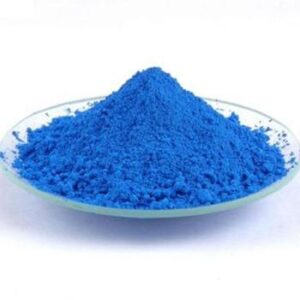
Understanding global regulatory requirements for producing and exporting spirulina-based products.
The global demand for natural food colors and plant-based nutraceuticals has positioned spirulina and its blue extract, phycocyanin (commonly known as blue spirulina), as high-value ingredients across food, beverage, cosmetics, and health industries. However, entering and scaling in international markets requires more than just production capability—it demands a strong understanding of global regulatory frameworks that govern safety, quality, labeling, and export compliance.
For Blue Spirulina manufacturers in India, navigating these regulations is especially important as India continues to emerge as a major hub for algae-based production. From FDA guidelines in the United States to EFSA standards in Europe and FSSAI regulations domestically, each market has specific requirements that manufacturers must meet to ensure product acceptance and smooth trade operations.
Food Safety Regulations by Country
Food safety regulations play a critical role in shaping the global trade of spirulina-based products, especially for natural ingredients like blue spirulina (phycocyanin) used in food, beverages, and nutraceuticals. Each country follows its own set of standards for ingredient approval, contamination limits, labeling rules, and import compliance, making it essential for exporters to understand these differences clearly. For Blue Spirulina manufacturers in India, compliance with international food safety laws is a key factor in accessing premium global markets. In India, food products are regulated by the Food Safety and Standards Authority of India (FSSAI), which sets guidelines for production hygiene, permissible additives, and product labeling. However, when exporting, manufacturers must also align with destination-country regulations such as the US FDA standards in the United States, EFSA regulations in the European Union, and FSSAI-recognized export compliance protocols.
FSSAI Guidelines in India
In India, the production, sale, and export of spirulina-based products, including phycocyanin (blue spirulina), are regulated by the Food Safety and Standards Authority of India (FSSAI). As the governing body for food safety, FSSAI sets strict standards to ensure that nutraceuticals and natural food colors are safe for human consumption, properly labeled, and free from contaminants.
For Blue Spirulina manufacturers in India, compliance with FSSAI regulations is a critical step in building a legally approved and market-ready product. Spirulina is generally recognized as a health supplement or food ingredient, but manufacturers must ensure it meets prescribed limits for microbial safety, heavy metals, and toxin levels such as microcystins. Additionally, proper documentation, manufacturing licenses, and adherence to Good Manufacturing Practices (GMP) are mandatory for production and commercialization.
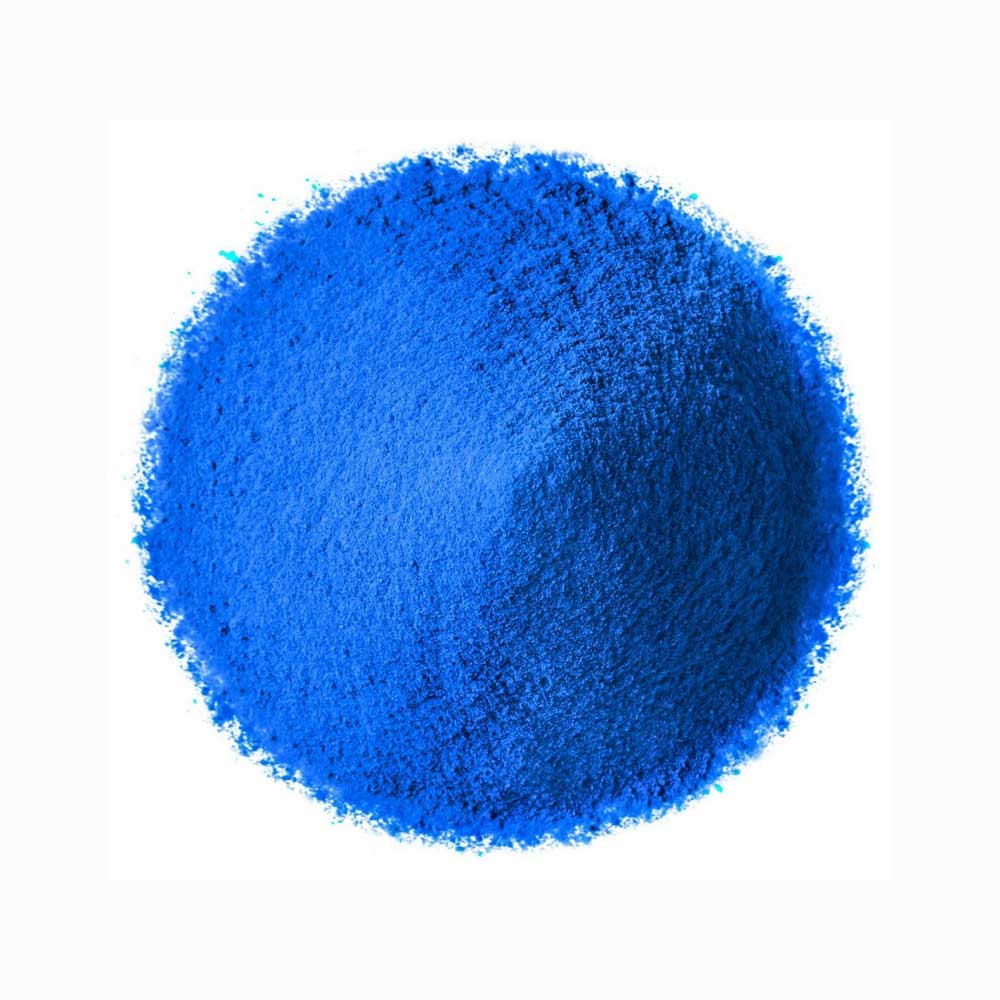
FDA & EU Approval Standards
The growing global demand for natural colorants and plant-based ingredients has placed spirulina-derived phycocyanin, commonly known as blue spirulina, under strict regulatory scrutiny in major markets such as the United States and the European Union. For Blue Spirulina manufacturers in India, understanding and complying with these approval standards is essential for successful international trade and market expansion.
In the United States, the Food and Drug Administration (FDA) regulates spirulina-based products under food safety and color additive regulations. Blue spirulina extract (phycocyanin) must meet the criteria for safety, purity, and manufacturing practices as defined under Good Manufacturing Practices (GMP). Depending on its intended use—whether as a dietary supplement, food ingredient, or color additive—it may require specific approvals or Generally Recognized as Safe (GRAS) status. This ensures that Blue Spirulina manufacturers can supply products that are safe for human consumption and compliant with U.S. labeling and ingredient standards.
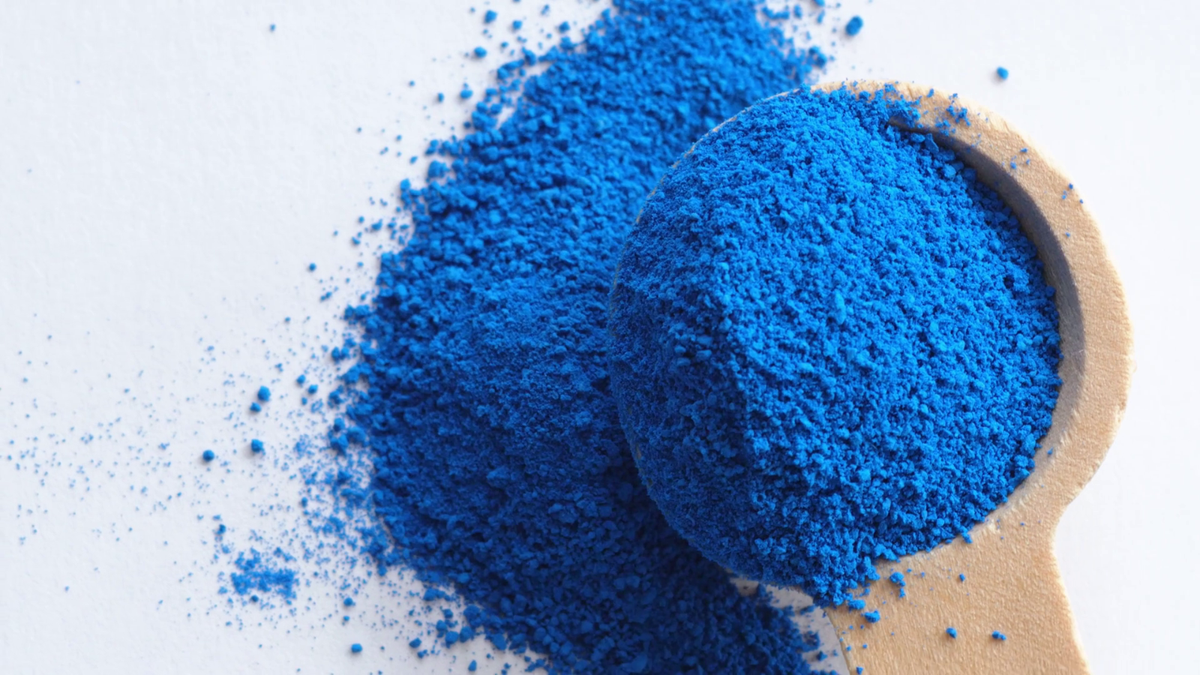
Organic Certification Requirements
Organic certification plays a crucial role in establishing trust, quality assurance, and global market acceptance for spirulina-based products. As demand for clean-label and sustainably produced superfoods continues to grow, obtaining recognized organic certifications has become essential for producers aiming to compete in international markets.
For Blue Spirulina manufacturers in India, organic certification is particularly important because it validates that the entire cultivation and extraction process complies with strict organic farming standards. This includes the use of natural cultivation mediums, absence of synthetic fertilizers or pesticides, controlled harvesting practices, and environmentally responsible processing methods. Certification bodies such as USDA Organic, EU Organic, and India Organic (NPOP under APEDA) are commonly sought after depending on the target export markets.
Export Compliance Rules
Exporting spirulina and its derivatives, especially high-value products like phycocyanin (blue spirulina), requires strict adherence to international trade regulations, quality certifications, and documentation standards. For Blue Spirulina manufacturers in India, understanding export compliance is essential to ensure smooth customs clearance, avoid shipment delays, and meet the regulatory expectations of importing countries.
Global markets such as the USA, European Union, Japan, and Australia enforce stringent food safety and ingredient approval systems. As a result, Blue Spirulina manufacturers must comply with standards related to product purity, microbial limits, heavy metal testing, allergen declarations, and permissible food color usage. Certifications such as FSSAI (for domestic compliance), HACCP, ISO 22000, and GMP play a crucial role in validating product safety and manufacturing integrity.
Labelling & Packaging Regulations
Labelling and packaging play a critical role in ensuring compliance, consumer trust, and smooth international trade in the spirulina industry. For Blue Spirulina manufacturers in India, adhering to global labelling standards is not just a legal requirement but also a key factor in building brand credibility in competitive export markets.
Different countries have specific regulations that govern how spirulina and phycocyanin-based products must be labelled. These include mandatory disclosures such as ingredient lists, nutritional information, batch numbers, expiry dates, storage conditions, and allergen declarations. In markets like the United States, compliance with FDA labelling guidelines is essential, while the European Union requires adherence to strict food information and additive regulations under EFSA standards.
Quality Documentation Systems
In the rapidly growing spirulina industry, maintaining consistent product quality and regulatory compliance is essential for success in both domestic and international markets. A well-structured quality documentation system plays a crucial role in ensuring transparency, traceability, and standardization throughout the production process. For natural ingredients like phycocyanin and spirulina-based products, documentation is not just a formality—it is a critical requirement for global trade acceptance.
For Blue Spirulina manufacturers in India, implementing strong documentation practices helps demonstrate adherence to food safety standards such as HACCP, GMP, and ISO certifications. These systems ensure that every stage of production—from cultivation and harvesting to extraction, testing, and packaging—is properly recorded and verifiable. This level of control is especially important when supplying to regulated markets like the USA, EU, and Japan.
Import Restrictions in Key Markets
The global trade of spirulina and its extract, phycocyanin (blue spirulina), is expanding rapidly, but international market entry is governed by strict import regulations. For Blue Spirulina manufacturers in India, understanding these restrictions is essential to ensure smooth export operations and avoid shipment rejections or delays. Similarly, all Blue Spirulina manufacturers aiming for global distribution must comply with varying country-specific food safety, labeling, and additive regulations.
One of the most regulated markets is the United States, where spirulina-based products must comply with FDA guidelines under food color additive and dietary supplement regulations. Any deviation in purity standards, microbial limits, or labeling can lead to import refusals. In the European Union, the European Food Safety Authority (EFSA) imposes stringent Novel Food approvals and strict controls on natural colorants, requiring detailed safety dossiers before market entry.
Legal Challenges in Algae Trade
The global algae industry, particularly spirulina and its high-value derivative phycocyanin (blue spirulina), is expanding rapidly due to rising demand in food, nutraceutical, and cosmetic sectors. However, despite its commercial potential, the trade of algae-based products is governed by complex legal frameworks that vary significantly across countries. These legal complexities often create challenges for Blue Spirulina manufacturers in India as they navigate both domestic compliance and international export regulations.
One of the primary legal challenges faced by Blue Spirulina manufacturers is regulatory classification. In different markets, spirulina may be categorized as a food supplement, novel food ingredient, color additive, or nutraceutical. Each classification comes with distinct approval processes, safety assessments, and documentation requirements. For instance, the European Union’s strict novel food regulations can delay market entry, while the United States requires adherence to FDA GRAS (Generally Recognized As Safe) standards.
Future Regulatory Trends
The spirulina and phycocyanin industry is evolving rapidly as global demand for natural colorants and plant-based nutraceuticals continues to grow. In the coming years, regulatory frameworks are expected to become more standardized, stricter, and more science-driven, especially concerning food safety, sustainability, and product traceability.
For Blue Spirulina manufacturers in India, one of the key future shifts will be tighter global scrutiny on product purity, heavy metal limits, microbial safety, and organic certification standards. Regulatory bodies such as the US FDA, EFSA in Europe, and other international agencies are increasingly focusing on advanced testing protocols and transparent supply chain documentation. This means manufacturers will need to invest more in quality control systems, third-party certifications, and advanced laboratory validation.
1. Is spirulina legally approved worldwide?
2. What licenses are needed in India?
3. Do export rules differ by country?
4. Is organic certification mandatory?
5. What are labeling requirements?
Algology — microalgae manufacturer & exporter in India
Explore our solutions: Spirulina Manufacturers in India · Blue Spirulina Manufacturers in India · Phycocyanin Manufacturers in India.