
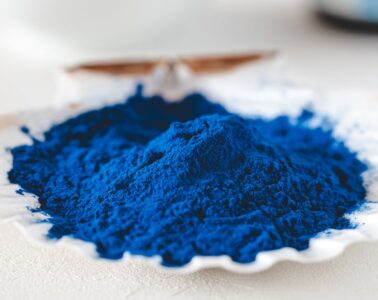
Understanding how quality is maintained in blue spirulina (phycocyanin) manufacturing to ensure purity, safety, and performance.
In today’s health-conscious and natural food industry, Blue Spirulina manufacturers in India are gaining significant attention for producing high-quality phycocyanin-rich extracts used in food, cosmetics, and nutraceuticals. As global demand for natural blue colorants continues to rise, ensuring purity, safety, and performance has become a top priority for every leading producer.
The process of manufacturing blue spirulina is highly sensitive, requiring strict quality control and testing measures at every stage—from cultivation of algae to extraction and final powder formulation. Reliable Blue Spirulina manufacturers follow advanced laboratory testing protocols to ensure that the final product is free from contaminants, maintains high phycocyanin concentration, and meets international food safety standards.
Understanding how quality is maintained in blue spirulina (phycocyanin) manufacturing is essential not only for manufacturers but also for buyers who depend on consistent color intensity, stability, and nutritional value. This article explores the key quality control practices that ensure excellence in every batch of blue spirulina production.
Importance of Quality Control in Algae Production
In the rapidly growing natural food and nutraceutical industry, Blue Spirulina manufacturers in India play a crucial role in delivering high-quality phycocyanin extracts that meet global demand. As blue spirulina is widely used as a natural colorant in foods, beverages, cosmetics, and supplements, maintaining strict quality standards in algae production has become essential for ensuring product safety, consistency, and effectiveness. For leading Blue Spirulina manufacturers, quality control begins right from the cultivation stage of spirulina algae. Factors such as water quality, nutrient composition, temperature, and light exposure are carefully monitored to ensure optimal growth conditions. Any variation in these parameters can directly impact the purity and concentration of phycocyanin, the key pigment responsible for the vibrant blue color.
Lab Testing for Phycocyanin Purity
In the rapidly growing natural food color industry, Blue Spirulina manufacturers in India are placing strong emphasis on advanced laboratory testing to ensure the highest purity of phycocyanin. As phycocyanin is the key active pigment responsible for the vibrant blue color in spirulina extracts, its purity directly determines product quality, safety, and performance in food, beverage, and cosmetic applications.
Leading Blue Spirulina manufacturers rely on sophisticated lab testing techniques such as spectrophotometry, HPLC (High-Performance Liquid Chromatography), and UV-Vis analysis to accurately measure phycocyanin concentration and identify any impurities. These tests help ensure that the extract meets international standards for color strength, stability, and safety.
Heavy Metal & Contaminant Testing
In the rapidly growing natural food color and nutraceutical industry, Blue Spirulina manufacturers in India are under increasing scrutiny to ensure product safety, purity, and compliance with global food regulations. One of the most critical aspects of quality assurance in this sector is heavy metal and contaminant testing, which directly determines whether the final phycocyanin extract is safe for human consumption.
Blue Spirulina manufacturers follow strict testing protocols to detect and eliminate harmful substances such as lead (Pb), mercury (Hg), arsenic (As), and cadmium (Cd), which can potentially enter the production chain through contaminated water, cultivation environments, or raw biomass. Since spirulina is a bio-accumulative organism, it can absorb elements from its surroundings, making environmental monitoring a crucial first step in safe production.
Microbiological Safety Checks
In the rapidly growing natural food color industry, Blue Spirulina manufacturers in India place strong emphasis on microbiological safety to ensure that every batch of phycocyanin extract is safe for consumption and free from harmful contamination. Since blue spirulina is widely used in food, beverages, and dietary supplements, maintaining strict hygiene and microbial control is a critical part of the production process.
Leading Blue Spirulina manufacturers implement rigorous microbiological testing at multiple stages—from raw spirulina biomass to the final powdered extract. These safety checks typically include testing for harmful bacteria such as E. coli, Salmonella, yeast, mold, and total plate count. By monitoring these parameters, manufacturers ensure that the product meets both domestic food safety regulations and international export standards.
Colour Value (CI) & Potency Measurement
In the rapidly growing natural food color industry, Blue Spirulina manufacturers in India focus heavily on maintaining consistent quality through precise colour value (CI) and potency measurement. Since blue spirulina (phycocyanin) is widely used as a natural blue pigment in beverages, confectionery, cosmetics, and nutraceuticals, its colour strength directly determines its market value and application performance.
For leading Blue Spirulina manufacturers, Colour Index (CI) is a critical parameter used to evaluate the intensity and stability of the blue pigment extracted from spirulina. It indicates how strong and vibrant the color will appear when used in different formulations. A higher CI value generally reflects better pigment concentration and superior extraction quality.
GMP & ISO Standards in Production
In the rapidly growing natural food and nutraceutical industry, Blue Spirulina manufacturers in India are increasingly adopting globally recognized quality frameworks to ensure safety, consistency, and product reliability. Among the most important of these frameworks are Good Manufacturing Practices (GMP) and ISO standards, which play a crucial role in maintaining the integrity of phycocyanin extraction and blue spirulina production.
For leading Blue Spirulina manufacturers, GMP guidelines ensure that every stage of production—from raw spirulina cultivation to extraction, filtration, drying, and packaging—is carried out under strictly controlled hygienic conditions. This minimizes the risk of contamination, maintains batch-to-batch consistency, and guarantees that the final product meets food-grade or cosmetic-grade requirements. GMP compliance also ensures proper documentation, traceability, and standardized operating procedures throughout the manufacturing process.
Batch-to-Batch Consistency Control
Maintaining uniformity across every production cycle is one of the most critical challenges for Blue Spirulina manufacturers in India. Since blue spirulina (phycocyanin) is a natural extract derived from algae, even minor variations in cultivation conditions, harvesting time, or extraction methods can impact color intensity, purity, and overall quality. This makes batch-to-batch consistency control a key pillar of reliable production.
Leading Blue Spirulina manufacturers implement strict standard operating procedures (SOPs) at every stage—from biomass cultivation and drying to extraction, filtration, and spray drying. By carefully controlling parameters such as temperature, pH levels, light exposure, and nutrient concentration during algae growth, manufacturers can minimize variability in raw material quality.
Common Quality Failures in Production
In the rapidly growing natural colorant industry, Blue Spirulina manufacturers in India and global Blue Spirulina manufacturers are under constant pressure to maintain high purity, stability, and safety standards. However, despite advanced processing technologies, several quality issues can still occur during production, affecting the final phycocyanin output and its commercial value.
One of the most common quality failures is low phycocyanin purity, often caused by improper extraction techniques or poor-quality raw spirulina biomass. This results in dull color intensity and reduced performance in food and cosmetic applications. Another frequent issue is microbial contamination, which can happen due to inadequate sterilization, poor handling practices, or insufficient quality checks during drying and packaging stages.
Role of Third-Party Testing Labs
In the rapidly expanding natural food color industry, Blue Spirulina manufacturers in India are increasingly relying on independent verification systems to ensure product authenticity, safety, and global compliance. Among these systems, third-party testing labs play a critical role in validating the quality standards of phycocyanin-based blue spirulina extracts.
Third-party laboratories provide unbiased and scientific evaluation of products produced by Blue Spirulina manufacturers, helping confirm that the extract meets required purity levels, is free from harmful contaminants such as heavy metals and microbial impurities, and complies with international food safety regulations. This independent assessment builds trust between manufacturers, buyers, and regulatory authorities.
Quality Certification Requirements
In the rapidly growing natural food color industry, Blue Spirulina manufacturers in India are increasingly focusing on obtaining internationally recognized quality certifications to ensure product safety, consistency, and global market acceptance. These certifications play a crucial role in establishing trust among food, beverage, and nutraceutical companies that rely on high-purity phycocyanin extracts.
For leading Blue Spirulina manufacturers, compliance with strict certification standards such as ISO, HACCP, GMP, and organic certifications is essential. These quality benchmarks ensure that the entire production process—from spirulina cultivation to extraction and packaging—follows hygienic practices, contamination control, and traceability systems. Certifications like ISO 22000 and HACCP specifically focus on food safety management, reducing risks of microbial contamination and chemical residues in the final product.
1. How is blue spirulina quality tested?
2. What is phycocyanin purity percentage?
3. Is heavy metal testing required?
4. What certifications ensure quality?
5. How do manufacturers maintain consistency?
Algology — microalgae manufacturer & exporter in India
Explore our solutions: Spirulina Manufacturers in India · Blue Spirulina Manufacturers in India · Phycocyanin Manufacturers in India.