
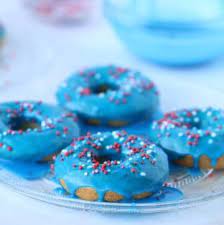
Bright, electric-blue lattes, neon smoothies, and Instagram-ready smoothie bowls — blue spirulina powder has exploded out of niche health circles into mainstream wellness culture. But this isn’t just a pretty pigment for your photos. At the heart of the craze is Phycocyanin, the natural blue pigment in spirulina that’s driving interest for its color, nutritional profile, and feel-good branding. Here’s a straightforward look at what makes blue spirulina powder the hottest wellness trend right now.
What is blue spirulina — and what is Phycocyanin?
Blue spirulina powder is a concentrated extract derived from spirulina (a blue-green microalgae). The term “blue spirulina” usually refers specifically to the purified pigment Phycocyanin, not the whole green-brown spirulina powder people often associate with algae smoothies. Phycocyanin gives the extract that vivid turquoise-to-deep-blue hue and is what companies isolate when they want a stable, food-grade blue color with a cleaner flavor profile than whole-spirulina.
Why the buzz? Three reasons at a glance
A striking, natural color — bright blue food ingredients are rare. Phycocyanin allows brands, cafes, and creators to make visually striking products without artificial dyes.
Marketable “clean” image — consumers want natural, plant-based, and minimally processed ingredients. Phycocyanin checks those boxes and looks good on camera.
Perceived wellness benefits — while research is still evolving, phycocyanin is associated with antioxidants and other bioactive properties, which makes it appealing to health-conscious shoppers.

The science (explained simply)
Phycocyanin is a pigment-protein complex found in cyanobacteria like spirulina. It’s part of the photosynthetic machinery that helps these organisms harvest light. Because it’s a protein-bound pigment, Phycocyanin is water-soluble and can be extracted as a concentrated, vibrant-blue powder or liquid. Scientists are interested in it because pigment-proteins often come with antioxidant (free radical–scavenging) activity and other biologically active properties. That said, science is ongoing — so while the early lab and animal studies are promising, broad human clinical claims require more evidence.
Practical benefits people talk about
Natural food coloring: Chefs and product developers love it as a substitute for artificial blues.
Milder flavor than whole spirulina: Blue spirulina has less of the strong “seaweed” taste.
Versatility: Works in drinks, desserts, icings, smoothies, and even cosmetics.
Plant-based and vegan: Appeals to many modern dietary choices.
How to use blue spirulina powder
Blue spirulina dissolves easily in liquids. Popular ideas:
Blend into smoothies or milk alternatives for a vivid breakfast boost.
Make a blue latte with warm plant milk + a tiny pinch of matcha for contrast.
Fold into whipped aquafaba for blue vegan meringues.
Swirl into yogurt, chia pudding, or cold desserts.
A little goes a long way — start with a small pinch and adjust for color and taste.

Taste and texture
Because most commercial blue spirulina is a purified Phycocyanin extract, it’s usually milder and less grassy than whole spirulina powder. Texture-wise it’s fine and powdery, disperses well in liquids, and doesn’t change the mouthfeel dramatically when used in small amounts.
Sustainability and sourcing
Spirulina is one of the more sustainable microalgae to cultivate: it grows quickly, requires relatively little land, and can have a small water footprint compared with many terrestrial crops. That said, sourcing matters — look for suppliers that disclose cultivation and processing practices, and avoid products with vague “natural extract” claims when transparency is important to you.
Safety and quality tips
Buy from reputable brands that provide third-party testing for contaminants (heavy metals, microcystins, etc.).
Avoid exaggerated claims. Phycocyanin is promising, but it’s not a cure-all.
Allergies & interactions: If you have allergies to algae or are on medication, check with a healthcare professional.
Pregnancy & breastfeeding: Discuss with your medical provider before using concentrated extracts.
DIY recipe idea (super simple blue smoothie)
1 cup almond or oat milk
1 frozen banana
1/2 cup frozen pineapple
1 small pinch (1/8–1/4 teaspoon) blue spirulina (Phycocyanin)
Blend until smooth — adjust sweetness to taste.
Final thoughts
Blue spirulina powder rose to fame because it looks spectacular — but the trend has staying power for sensible reasons, too: cleaner taste compared with whole spirulina, easy culinary use, and a growing body of research around Phycocyanin that supports its potential as a bioactive natural pigment. Like any wellness trend, the smartest approach is curious but cautious: enjoy the color, experiment in the kitchen, and choose quality sources while keeping expectations realistic about health claims.
