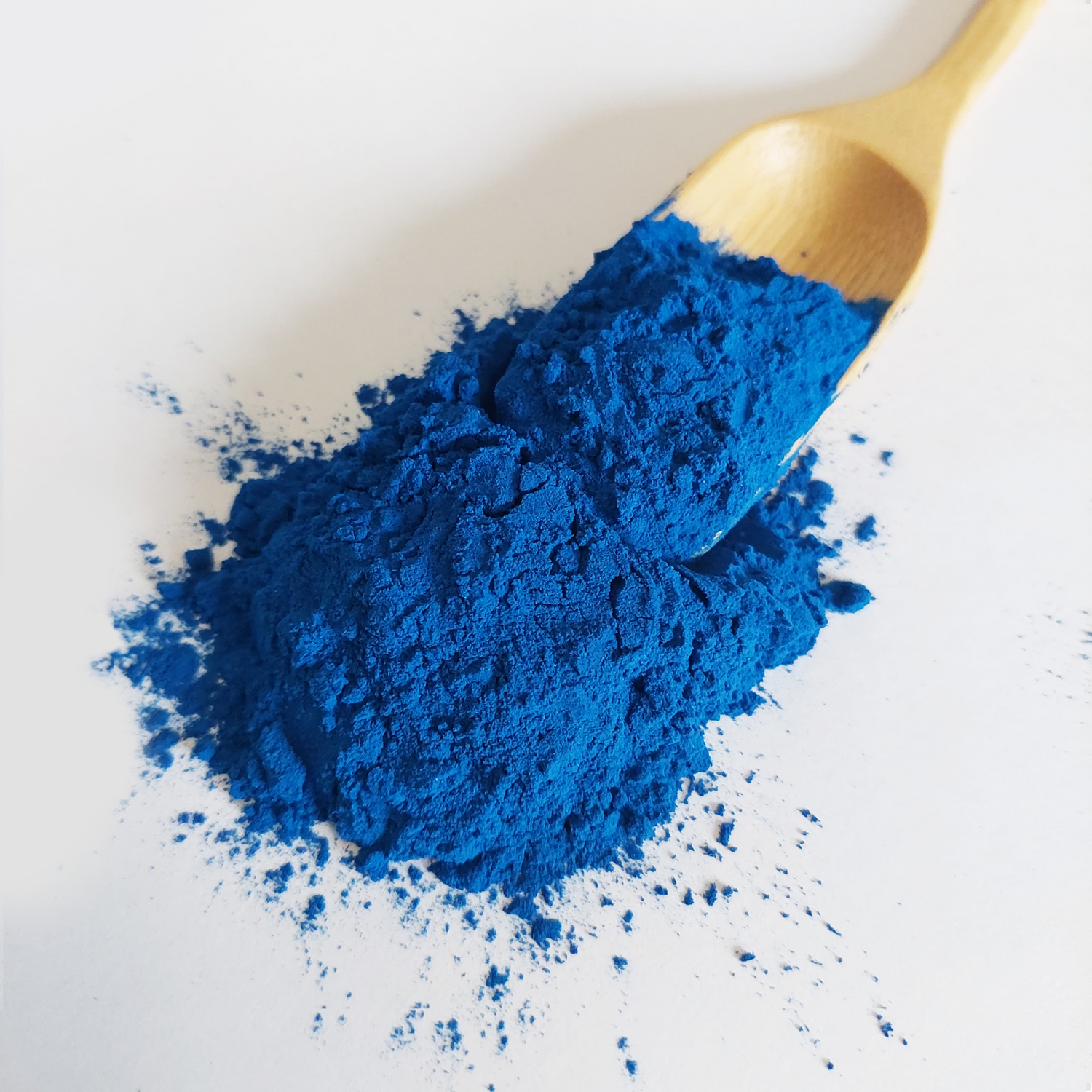

In the world of natural colors, few shades are as mesmerizing and pure as the Blue Extract from Spirulina. Known for its brilliant hue and clean-label appeal, this natural pigment is making waves across the food, beverage, and cosmetics industries. But what exactly is this blue extract, and what makes it so special? Let’s dive into the science and story behind nature’s brightest blue.
What Is Blue Extract from Spirulina?
The Blue Extract from Spirulina is a natural pigment derived from Spirulina platensis — a blue-green microalga rich in nutrients and bioactive compounds. The pigment responsible for its striking blue color is called phycocyanin, a water-soluble protein complex that captures light energy for photosynthesis. Unlike synthetic blue dyes spirulina extract offers a completely natural, plant-based alternative. It’s free from chemicals, heavy metals, and artificial additives — making it a preferred choice for clean-label and health-conscious formulations.
The Science Behind the Blue
The key compound in Blue Extract from Spirulina — C-phycocyanin (C-PC) — is what gives it its vibrant color. Phycocyanin is a type of phycobiliprotein, which absorbs orange-red light and emits a deep blue hue.
From a molecular standpoint, C-phycocyanin is composed of proteins bound to linear tetrapyrrole chromophores known as phycocyanobilins. These light-absorbing pigments are similar to the ones found in chlorophyll and hemoglobin, which explains why they play such an important role in light capture and energy transfer.
What makes phycocyanin fascinating is its dual nature — it’s not just a colorant but also a bioactive compound with powerful antioxidant, anti-inflammatory, and immune-supporting properties.

Why Is Spirulina Blue Extract So Popular?
1. Natural Alternative to Synthetic Dyes
As consumers become increasingly aware of artificial additives and their potential health effects, brands are shifting toward natural colorants. Blue Extract from Spirulina offers a safe, sustainable, and plant-derived option for creating vibrant blue and green tones.
2. Clean-Label Appeal
Clean-label foods — those free from artificial colors, preservatives, and additives — are in high demand. Spirulina extract fits perfectly within this trend, allowing manufacturers to use descriptive labels like “colored with spirulina extract” instead of “artificial color (E133)”.
3. Nutritional and Functional Benefits
Beyond color, spirulina and its extract are known for their high protein content, antioxidants, vitamins, and minerals. C-phycocyanin, in particular, has been studied for its ability to scavenge free radicals and support liver health, offering both aesthetic and functional benefits.
Applications of Blue Extract from Spirulina
The versatility of spirulina extract is one of its biggest advantages. It’s used across a wide range of industries:
Food & Beverages: Smoothies, candies, ice creams, yogurts, and energy drinks now feature this vibrant natural blue. When mixed with other natural pigments like turmeric or beetroot, it can produce green or purple shades.
Cosmetics: Used in natural skincare products, soaps, and bath bombs for its pigment and antioxidant benefits.
Pharmaceuticals & Nutraceuticals: Incorporated into capsules and supplements for its health-promoting properties.
Confectionery & Baking: Adds a fun, eye-catching color to frostings, gummies, and decorative coatings without synthetic chemicals.
Sustainability & Production
Another reason for the rising popularity of Blue Extract from Spirulina is its eco-friendly production. Spirulina grows rapidly in freshwater ponds under sunlight, requiring minimal resources compared to traditional crops. It absorbs carbon dioxide and releases oxygen, making it one of the most sustainable biomass sources on Earth.
The extraction process typically involves:
Harvesting Spirulina biomass
Cell disruption to release phycocyanin
Filtration and purification to isolate the pigment
Concentration and stabilization for use in different formulations
With advances in biotechnology, producers are improving yield, stability, and cost-effectiveness — making natural blue pigments more accessible to global markets.
Challenges and Innovations
While Blue Extract from Spirulina is a natural marvel, it does face a few challenges. Phycocyanin is sensitive to heat, light, and acidic pH, which can cause color fading. However, ongoing innovations in encapsulation and formulation are enhancing its stability, allowing it to perform well in a wider range of applications.
Researchers are also exploring fermentation-based production of phycocyanin using engineered microorganisms — a method that could further boost scalability and sustainability.
The Future of Natural Blue
The Blue Extract from Spirulina represents more than just a color — it’s a symbol of the shift toward natural, healthy, and environmentally responsible choices. As the demand for plant-based, non-toxic, and transparent ingredients continues to grow, this radiant pigment will undoubtedly play a key role in shaping the future of natural colorants.
From your morning smoothie to your favorite cosmetic product, the mesmerizing blue of spirulina is proof that science and nature can create beauty — responsibly.