
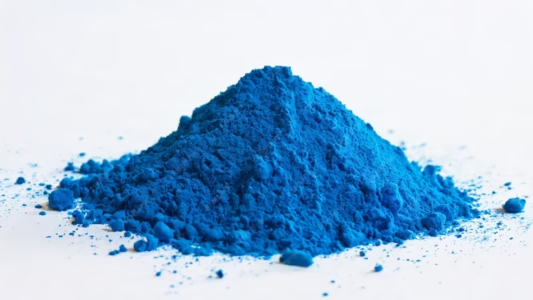
Blue spirulina — the concentrated source of the natural pigment phycocyanin — has shifted from niche superfood to a mainstream ingredient in food and beverage innovation. Once prized primarily for its antioxidant and protein content, phycocyanin is now sought after by food brands for one standout reason: it delivers a bright, natural blue that consumers love, at a moment when demand for clean-label colorants is surging. Below I cover the leading product categories using phycocyanin, why they work, and the global trends pushing adoption.
1. Ice cream, frozen desserts and shakes
Blue ice creams and novelty shakes are the most visible consumer-facing uses of phycocyanin. The pigment mixes well into dairy and nondairy bases and creates striking visual appeal for limited-edition flavors, kids’ menus, and social-media-driven launches. Academic formulations show phycocyanin can produce stable, naturally colored frozen desserts with good sensory acceptance when properly formulated and protected from degradation. Brands (and quick-service chains) have started trialing spirulina-derived blues in seasonal menus and collaborations.
2. Confectionery, gummy candy and icings
Phycocyanin is increasingly used in gummies, hard candy, and frostings where bold, lasting color is essential. Its plant-based origin and the clean-label story appeal to parents and health-conscious buyers who want to avoid synthetic dyes. Reformulation work focuses on stabilizing color through pH control and packaging that limits light/oxygen exposure.
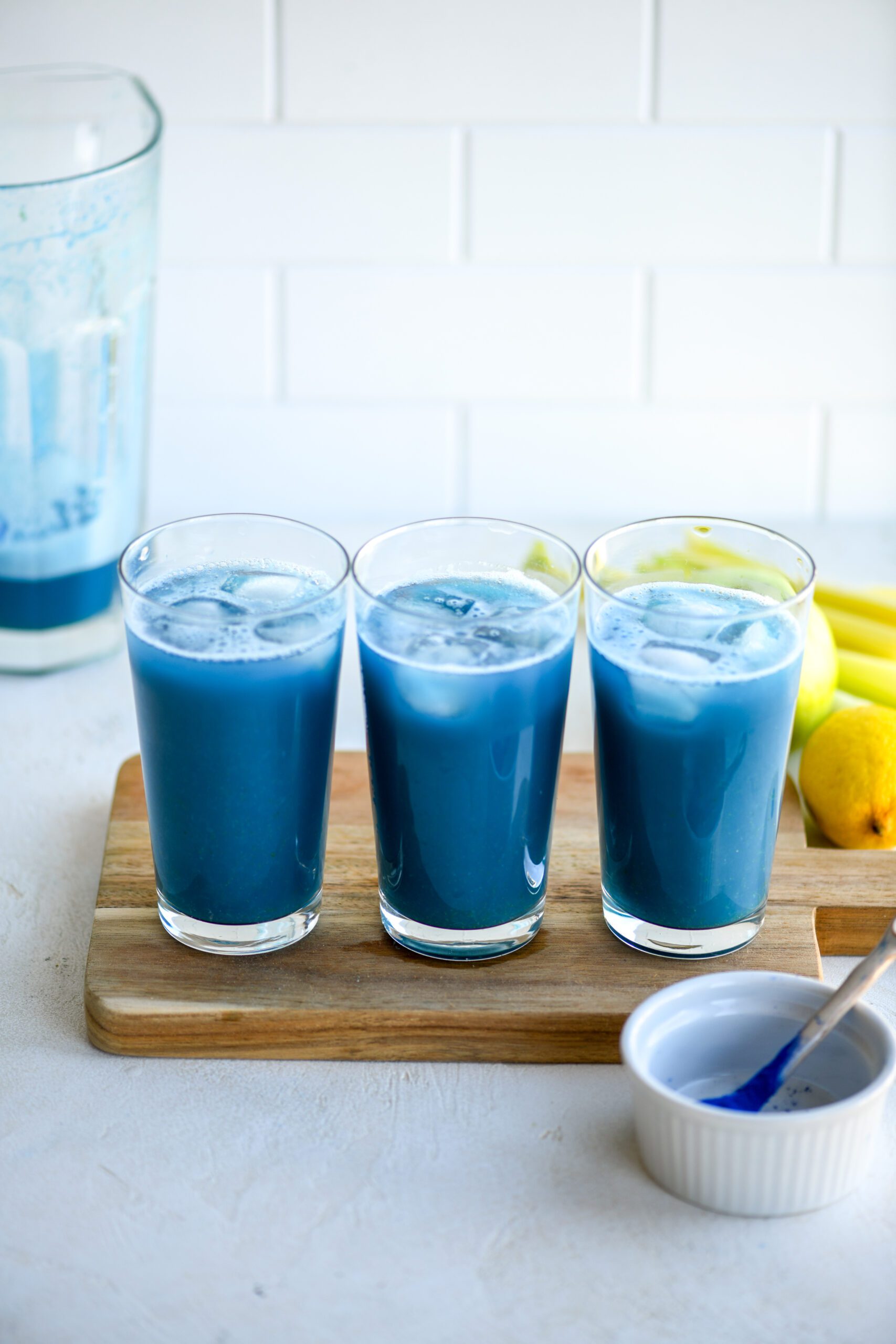
3. Beverages — functional drinks, smoothies and specialty sodas
Beverage developers leverage phycocyanin both for color and perceived functional benefits. It’s used in ready-to-drink smoothies, kombucha-style drinks, vitamin waters, and novel soft drinks targeting younger, “Instagram-first” consumers. Because phycocyanin is a protein pigment, formulators pay attention to pH and processing temperatures to retain color and mouthfeel.
4. Dairy alternatives, yogurts and cheese analogues
Both traditional dairy and plant-based dairy alternatives are using phycocyanin to create attractive specialty SKUs (e.g., blue-hued yogurt lines, artisanal cheeses, and dressing toppers). In fermented dairy systems, phycocyanin can coexist with live cultures when properly stabilized, offering brands a way to differentiate on-shelf while keeping ingredient lists short.
5. Baked goods and pasta (decorative and functional uses)
Specialty bakery items, macarons, novelty cakes, and colored pasta are experimenting with spirulina extracts. Here the challenge is heat stability — bakers often add phycocyanin as a finishing or filling ingredient rather than into high-heat stages, or pair it with stabilizers and modified process steps to retain color.
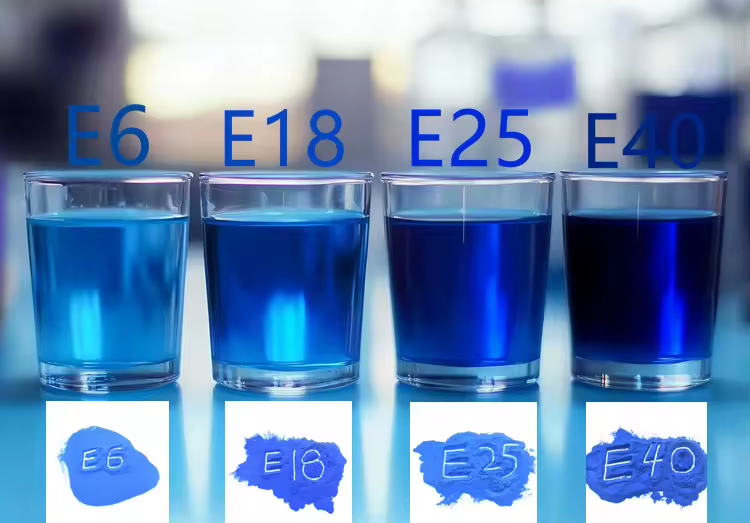
6. Alternative seafood & novel plant-based products
Beyond color, spirulina derivatives are being used as structural and nutritional ingredients in new plant-based proteins — for example, algae-based smoked salmon alternatives and textured products where color and protein content matter. These applications highlight phycocyanin’s role in product innovation beyond mere coloring.
Why phycocyanin is taking off — three market drivers
Clean-label momentum: Consumers increasingly avoid artificial dyes; phycocyanin offers a recognizable, plant-derived alternative compatible with vegan/organic positioning.
Regulatory progress: Key regulatory milestones (notably approvals and exemptions for algae-derived blues in several jurisdictions) have reduced barriers for food manufacturers to launch phycocyanin-colored SKUs. This regulatory clarity has accelerated commercial adoption.
R&D and processing advances: Improved extraction processes, higher-purity phycocyanin grades, and packaging/process adaptations (pH control, chelation to reduce metal ion interaction) have made color performance more reliable in real-world production.
Formulation challenges (what food developers must solve)
Stability: Phycocyanin is sensitive to heat, light, pH extremes, and some metal ions — manufacturers must tailor recipes and processing to preserve color.
Cost & purity: High-purity phycocyanin commands a price premium; producers balance cost vs. visual impact and potentially offset via premium pricing or limited editions.
Labeling & claims: Brands should track regional regulatory language (e.g., “spirulina extract,” “phycocyanin”) to ensure correct labeling and consumer transparency.
Looking ahead — what to expect in the next 2–5 years
Expect more mainstream adoption across quick-service and CPG categories as extraction scales and costs fall. Market reports forecast strong growth for phycocyanin and spirulina extracts as brands chase natural colorants and functional attributes. New stabilization technologies and cross-category launches (snacks, frozen, beverages) will broaden consumer exposure and normalize blue-hued foods.
Bottom line
Phycocyanin has moved from a niche ingredient to a practical tool for food innovation. Its bright, natural blue makes it invaluable for visual-first marketing and clean-label positioning — but success depends on smart formulation, regulatory awareness, and supply economics. For brands that invest in R&D and clever product storytelling, blue spirulina extract offers a striking way to stand out on shelf and social feeds.
