
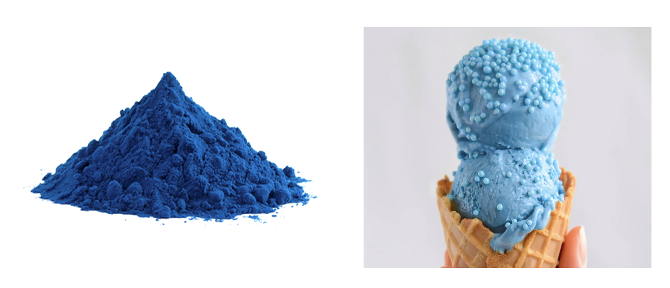
Phycocyanin — the brilliant blue pigment extracted from spirulina — is a rising star in food, cosmetics, and nutraceuticals. Its vibrant color and perceived “natural” halo make it attractive to conscious consumers, but phycocyanin is also chemically sensitive: it degrades with heat, light, oxygen, and extreme pH. That makes packaging both a technical and sustainability challenge: you must protect product quality while minimizing environmental impact. Below I outline practical, sustainable packaging options for phycocyanin and similar natural extracts, plus implementation tips that balance barrier performance, regulatory safety, and circularity.
Why packaging matters for phycocyanin
Phycocyanin’s stability depends on controlling: Light exposure (UV and visible light can bleach the pigment) Oxygen (oxidation reduces color intensity) Moisture (for powders; moisture increases degradation and clumping) Temperature (heat accelerates breakdown) Sustainable packaging must therefore deliver adequate barrier properties and be chemically compatible with the extract (food-grade, non-migratory). Below are viable options ordered roughly from most circular to highest barrier performance.
Top sustainable packaging options
1.Refillable / reusable glass (amber) jars or bottles
Why: Glass is inert, infinitely recyclable, and amber glass protects against light — excellent for liquid phycocyanin formulations or concentrated syrups.
Pros: Excellent chemical compatibility; premium consumer perception; good light barrier.
Cons: Transportation weight, breakage risk, needs a refill/return system to be truly sustainable.
Best use: High-value cosmetic serums, chef-grade liquid extracts, retail jars.
2. Post-consumer recycled (PCR) PET / HDPE with mono-material design
Why: Using PCR plastic reduces virgin polymer demand and, if designed as a single polymer, supports recycling streams.
Pros: Lightweight, good moisture barrier; economical for bottles and rigid jars.
Cons: Polymer must be food-grade and certified for contact; not ideal as sole oxygen barrier unless paired with barrier liners.
Best use: Secondary packaging for powders, bottles for diluted liquid blends.
3. Mono-material flexible pouches with high-barrier coatings
Why: Flexible pouches drastically reduce material use and transport emissions. Modern mono-polyethylene or mono-polypropylene pouches can be engineered with barrier coatings that retain recyclability in some streams.
Pros: Low carbon footprint in transport, customizable barrier levels, resealable options.
Cons: High-barrier metallized laminates are often multi-material (harder to recycle); choose certified recyclable mono solutions where available.
Best use: Phycocyanin powder sachets or single-serve packets for foodservice and supplements.
4. Compostable films and fiber-based trays (PLA, PHA, cellulose)
Why: Industrially compostable films or molded fiber (bagasse, pulp) reduce persistent plastic waste. Cellulose-based films are promising for breathable or moisture-sensitive applications.
Pros: Good end-of-life options where composting infrastructure exists; lower fossil carbon footprint for biobased polymers.
Cons: Compostable does not equal suitable barrier — many are poor oxygen barriers and may require secondary protective layers; home compostability is rare.
Best use: Single-use promotional sachets, secondary protective packaging where composting infrastructure exists.
5. Mycelium / molded fiber protective inserts and secondary packaging
Why: Use bio-based, compostable inserts for shipping protection instead of plastic foam.
Pros: Fully compostable, low embodied energy, good brand storytelling.
Cons: Not a primary barrier — combine with a primary sealed container for phycocyanin.
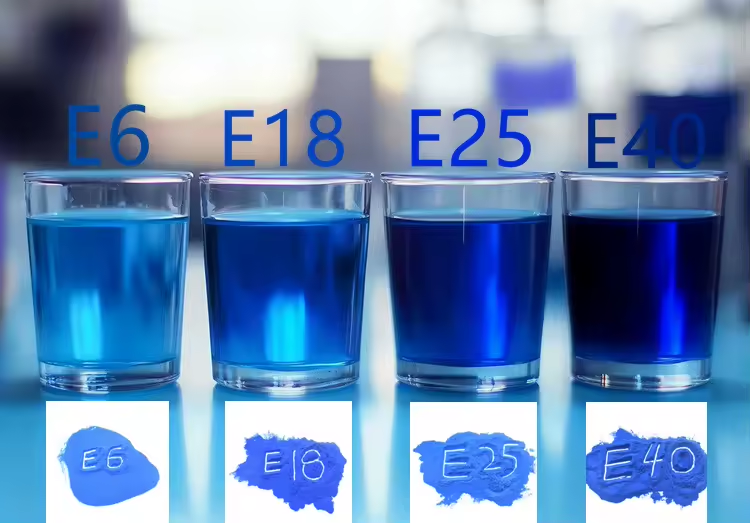
Barrier strategies that remain sustainable
Because phycocyanin needs oxygen- and light-protection, consider these sustainable performance add-ons:
Amber or opaque outer layers: Use opaque paperboard cartons (recyclable) or amber glass to block light.
Nitrogen flush + oxygen scavengers: Small sachets or built-in scavengers extend shelf life while enabling lighter, recyclable primary packaging.
Thin metallization alternatives: Vacuum-deposited or printed barrier coatings that use less material and allow for mono-material recycling where available.
Desiccants for powders: Small, minimal desiccants reduce degradation without heavy packaging.
Material compatibility & safety
Always choose food-grade and non-migratory materials. Natural extracts like phycocyanin can interact with some inks, adhesives, and plasticizers — opt for low-migration adhesives and inks (e.g., water-based, food-contact compliant). Perform migration testing if product is directly food-contact.
Certifications & end-of-life considerations
Prefer materials with clear end-of-life streams: curbside recyclable (mono-polymer), industrially compostable (with local infrastructure), or refillable systems.
Use recognized certifications on packaging (compostable, recycled content claims) — but avoid greenwashing. Be transparent about disposal instructions.
Practical packaging recommendations (quick checklist)
For high-value liquid phycocyanin: amber glass + PCR outer box + nitrogen flush.
For powdered phycocyanin: mono-material resealable pouch with oxygen barrier coating + desiccant.
For single-serve: small mono sachets designed for recycling or certified compostable film (where infrastructure exists).
For shipping: molded fiber inserts + minimal secondary corrugated box with recycled content.
Final thought
Sustainable packaging for phycocyanin is a balancing act: protect the fragile pigment, ensure consumer safety, and close the materials loop. The best approach is system-level — pair the right primary barrier with circular end-of-life choices (reusable, recyclable, or compostable) and clear consumer disposal instructions. Small investments in packaging design and material selection can preserve phycocyanin’s brilliant color while reinforcing the “natural” sustainability story that customers expect.
