
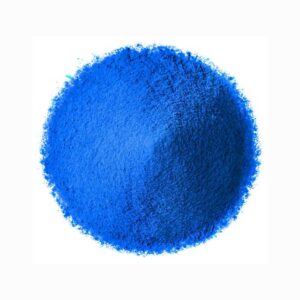
Understanding how the product moves from farm to buyer.
The growing demand for natural superfoods has placed a spotlight on Blue Spirulina manufacturers in India, who play a crucial role in delivering high-quality, nutrient-rich products to both domestic and global markets. Understanding the supply chain of blue spirulina is essential to appreciate how this vibrant blue pigment travels from cultivation ponds to the hands of consumers. The process involves multiple stages, including cultivation, harvesting, extraction, processing, quality control, packaging, and distribution.
Blue Spirulina manufacturers in India typically begin with carefully controlled algae farming, where spirulina is cultivated in clean, nutrient-rich water under optimal environmental conditions. Once harvested, the raw spirulina undergoes advanced extraction techniques to isolate phycocyanin—the valuable blue pigment. This is followed by drying, testing, and packaging to ensure purity, safety, and consistency.
Raw Material Cultivation
The foundation of a high-quality product begins at the cultivation stage, where Blue Spirulina manufacturers in India focus on growing spirulina under carefully controlled conditions. Since blue spirulina is derived from the pigment phycocyanin found in spirulina algae, the quality of raw material directly impacts the final product’s purity, color, and nutritional value. Blue Spirulina manufacturers typically cultivate spirulina in open raceway ponds or closed photobioreactors, depending on the level of control required. These cultivation systems are maintained with clean, alkaline water and enriched with essential nutrients to support optimal algae growth. Regions in India with abundant sunlight and favorable climatic conditions, such as Tamil Nadu, Karnataka, and Rajasthan, are ideal for spirulina farming.
Harvesting & Processing Stages
The harvesting and processing stages are critical in maintaining the purity, color, and nutritional value of blue spirulina. Blue Spirulina manufacturers in India follow precise and hygienic methods to ensure that the final product meets both domestic and international quality standards.
Harvesting begins once the spirulina reaches optimal growth in controlled cultivation ponds. At this stage, Blue Spirulina manufacturers carefully filter the biomass from the water using fine mesh screens or advanced filtration systems. This step is time-sensitive, as improper handling can affect the quality of the phycocyanin pigment.
After harvesting, the raw spirulina undergoes a series of processing steps. The most important stage is extraction, where the blue pigment (phycocyanin) is separated from the biomass using cold extraction or water-based methods. This helps retain its natural color and nutritional properties. Following extraction, the liquid is purified to remove impurities and then concentrated.
Extraction Facilities
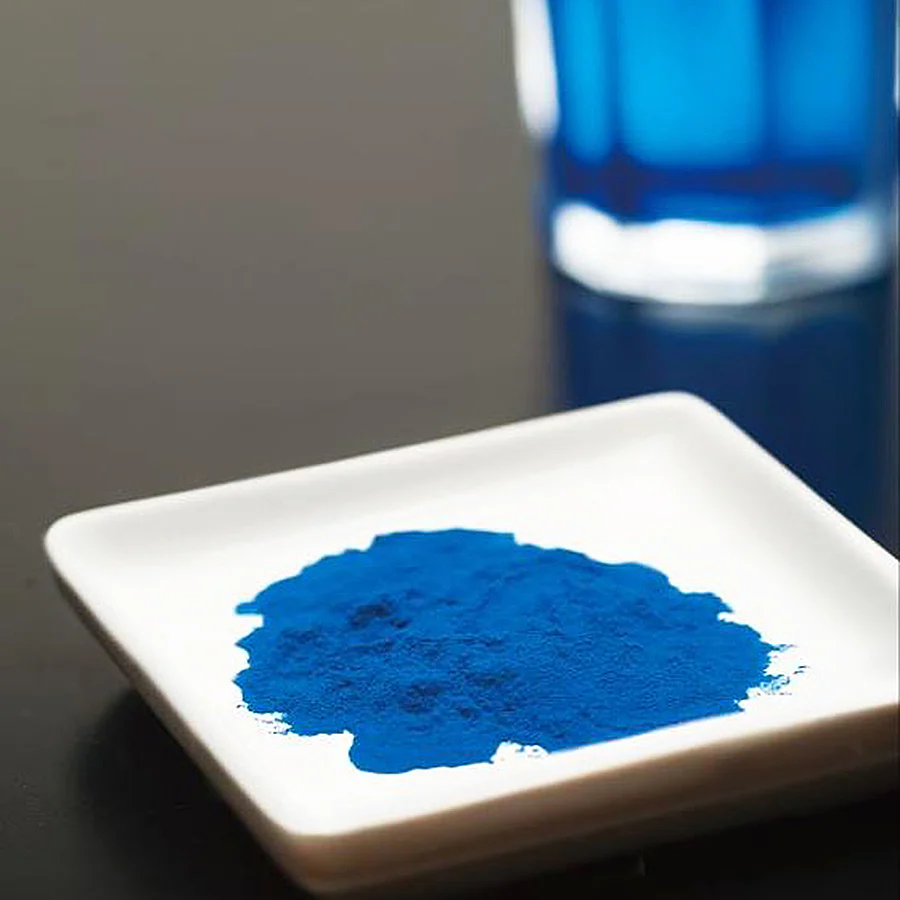
Extraction facilities play a vital role in defining the quality and purity of products offered by Blue Spirulina manufacturers in India. After cultivation and harvesting, the real value of spirulina lies in extracting phycocyanin—the powerful blue pigment responsible for its nutritional and commercial appeal. This step requires advanced technology, controlled environments, and strict hygiene standards to maintain the integrity of the compound.
Leading Blue Spirulina manufacturers invest in state-of-the-art extraction units equipped with filtration, centrifugation, and cold-processing techniques. These methods help preserve the bioactive properties of phycocyanin while ensuring minimal contamination. Temperature control is especially critical during extraction, as excessive heat can degrade the pigment and reduce its effectiveness.
Quality Testing Labs
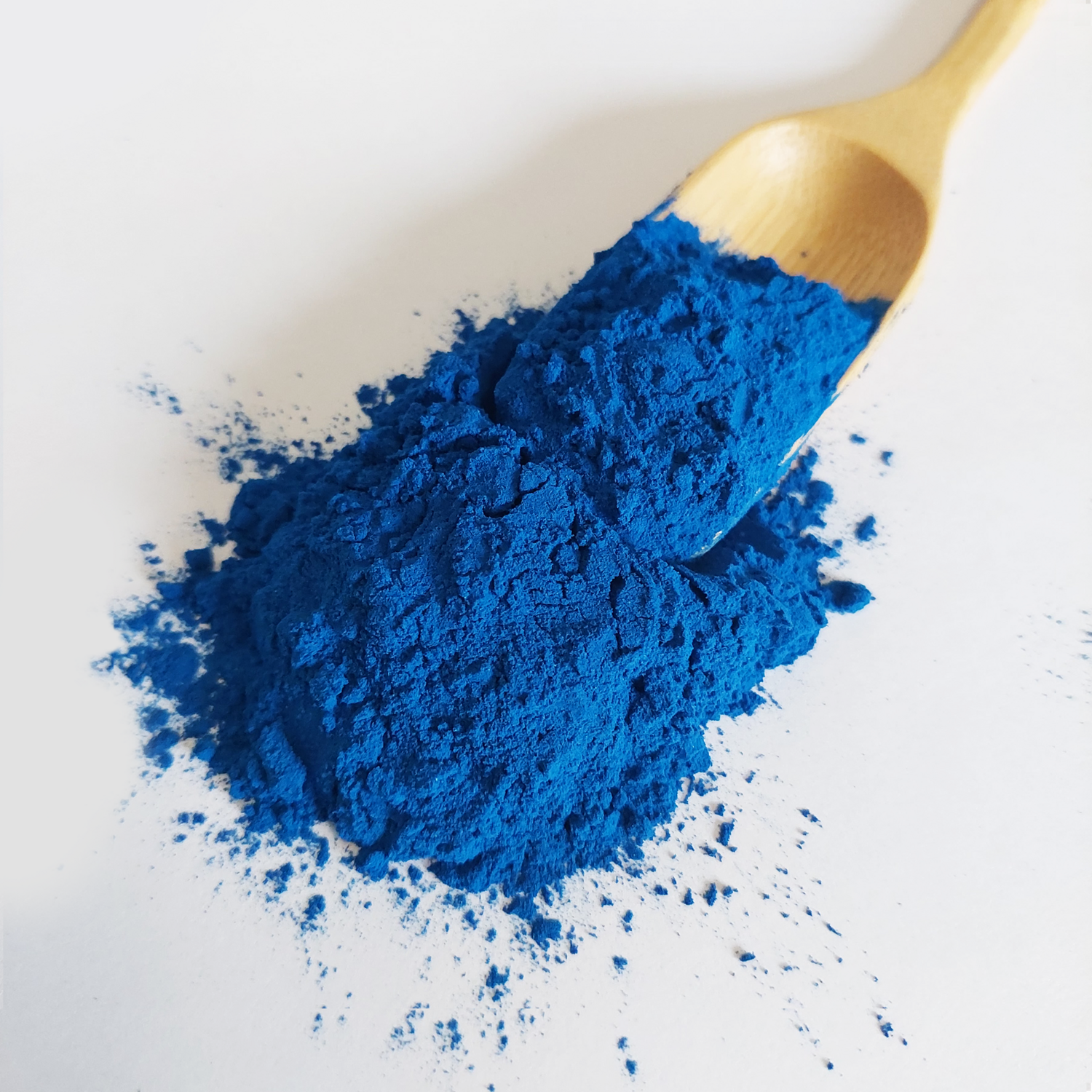
For Blue Spirulina manufacturers in India, quality testing labs play a critical role in ensuring product safety, purity, and consistency at every stage of production. As blue spirulina is widely used in nutraceuticals, food, and cosmetic applications, maintaining strict quality standards is essential to meet both domestic and international regulations.
Leading Blue Spirulina manufacturers rely on advanced laboratory testing to analyze key parameters such as phycocyanin concentration, microbial contamination, heavy metals, and pesticide residues. These tests help verify that the product is free from harmful substances and meets the required nutritional specifications. High-performance techniques like spectrophotometry and chromatography are often used to ensure accurate results.
In India, many manufacturers either operate in-house quality testing labs or collaborate with certified third-party laboratories that comply with global standards such as ISO, HACCP, and FSSAI guidelines. This ensures that every batch undergoes rigorous inspection before it reaches the market.
Packaging & Storage
For Blue Spirulina manufacturers in India, packaging and storage play a critical role in preserving the purity, color, and nutritional value of the final product. Since blue spirulina (phycocyanin) is highly sensitive to light, heat, and moisture, manufacturers must follow strict handling practices to maintain its quality throughout its shelf life.
Blue Spirulina manufacturers typically use airtight, food-grade containers that protect the product from oxidation and contamination. Packaging materials such as UV-protected jars, laminated pouches, and vacuum-sealed bags are commonly used to prevent exposure to external elements. In many cases, manufacturers also incorporate moisture absorbers and oxygen barriers to extend freshness and stability.
Proper storage conditions are equally important. The product is usually stored in cool, dry environments, often under controlled temperatures to avoid degradation of its active compounds. For bulk storage and export, cold chain logistics may be used to ensure that the product remains stable during transportation.
Domestic Distribution Networks
The strength of domestic distribution plays a vital role in the success of Blue Spirulina manufacturers in India, ensuring that products reach a wide range of industries and consumers efficiently. A well-established network enables manufacturers to supply blue spirulina across multiple channels, including nutraceutical companies, food and beverage brands, cosmetic manufacturers, and retail markets.
Blue Spirulina manufacturers typically rely on a multi-tier distribution system that includes wholesalers, distributors, and regional suppliers. These intermediaries help bridge the gap between production facilities and end users by managing storage, transportation, and timely delivery. In major cities and industrial hubs, direct supply agreements with brands and bulk buyers are also common, allowing manufacturers to streamline operations and reduce lead times.
Export Supply Chain
The export supply chain plays a vital role in establishing Blue Spirulina manufacturers in India as strong competitors in the global nutraceutical and food coloring markets. With rising international demand for natural and plant-based ingredients, Blue Spirulina manufacturers must follow a well-organized and compliant export process to ensure product quality, safety, and timely delivery across borders.
The journey begins with bulk production and standardized processing, where manufacturers prepare export-grade blue spirulina that meets international quality benchmarks. This includes strict adherence to certifications such as food safety standards, organic certifications, and regulatory approvals required by importing countries. Proper documentation, including certificates of analysis, origin, and compliance, is a critical part of the export process.
Cold Chain Requirements
Maintaining product stability and quality is a critical concern for Blue Spirulina manufacturers in India, making cold chain management an essential part of the supply process. Blue spirulina, derived from the delicate phycocyanin pigment, is highly sensitive to heat, light, and humidity. Without proper temperature control, its nutritional value, color intensity, and overall effectiveness can degrade quickly.
To address this, Blue Spirulina manufacturers implement strict cold chain requirements starting immediately after extraction. The phycocyanin extract is often stored at low temperatures to preserve its bioactive properties. During processing and packaging, climate-controlled environments are used to prevent exposure to unfavorable conditions. Specialized storage facilities and refrigerated transport systems further ensure that the product remains stable throughout transit.
Logistics Partnerships
Efficient logistics partnerships play a vital role in the success of Blue Spirulina manufacturers in India, ensuring that this sensitive, high-value product reaches buyers in optimal condition. Since blue spirulina (phycocyanin) is highly sensitive to heat, light, and moisture, manufacturers rely on specialized logistics providers who understand the importance of controlled handling and timely delivery.
Leading Blue Spirulina manufacturers collaborate with cold chain logistics companies, reliable courier services, and global freight partners to maintain product integrity throughout transit. Temperature-controlled storage, protective packaging, and fast shipping methods are commonly used to prevent degradation and preserve the product’s nutritional quality and vibrant color.
Inventory Management Systems
Efficient inventory management plays a critical role in ensuring consistent product availability and quality for Blue Spirulina manufacturers in India. As the demand for this high-value natural ingredient continues to rise, maintaining the right balance between raw material storage, production capacity, and finished goods becomes essential. A well-structured inventory management system helps manufacturers avoid overstocking, reduce wastage, and ensure timely order fulfillment.
For Blue Spirulina manufacturers, inventory management begins at the cultivation stage, where raw spirulina biomass must be monitored carefully due to its perishable nature. Advanced systems are used to track batch quantities, storage conditions, and shelf life, ensuring that only high-quality material moves forward in the production process. Once processed into blue spirulina extract, manufacturers rely on digital inventory tools to manage stock levels, forecast demand, and streamline operations.
