
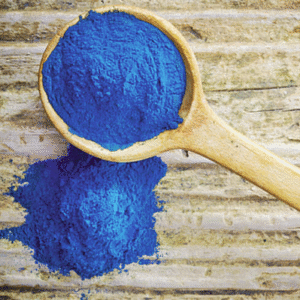
Proper storage to maintain pigment stability.
Proper storage and handling of blue spirulina products are crucial to maintain the stability and vibrancy of its natural pigment, phycocyanin. Exposure to heat, moisture, and light can degrade the color and nutritional quality, reducing its effectiveness in food, beverages, and supplements. Blue Spirulina manufacturers in India emphasize stringent storage protocols, including cool, dry conditions and airtight packaging, to ensure the product retains its potency and shelf life. By following these best practices, blue spirulina manufacturers can deliver consistent, high-quality products to meet the demands of health-conscious consumers and commercial clients.
Ideal Storage Temperature:
Maintaining the ideal storage temperature is essential for preserving the quality and pigment stability of blue spirulina. Most blue spirulina manufacturers in India recommend keeping the product in a cool, dry place, ideally between 5°C to 25°C, to prevent degradation of phycocyanin and ensure maximum shelf life. Proper temperature control not only safeguards the vibrant color but also retains the nutritional benefits that consumers expect. Leading blue spirulina manufacturers stress that avoiding direct sunlight and high humidity is equally important, as these factors can accelerate spoilage and reduce product efficacy.
Protection from Light Exposure
Light exposure can significantly degrade the delicate phycocyanin pigment in blue spirulina, leading to a loss of color, flavor, and nutritional value. To preserve its quality, blue spirulina manufacturers in India implement strict measures such as using opaque or dark-colored packaging and storing the product away from direct sunlight. By minimizing light contact, blue spirulina manufacturers ensure that the product maintains its vibrant hue and bioactive properties, providing end-users with a consistent and high-quality supplement.
Moisture Control Techniques
Controlling moisture is one of the most critical steps in preserving the quality of blue spirulina. Excess moisture can lead to clumping, microbial growth, and degradation of phycocyanin, the pigment that gives blue spirulina its vibrant color. Blue Spirulina manufacturers in India implement advanced moisture control techniques such as vacuum sealing, desiccant use, and humidity-controlled storage to maintain product integrity. By carefully monitoring and minimizing exposure to humidity, blue spirulina manufacturers ensure that their products remain dry, stable, and suitable for long-term storage and safe consumption.

Packaging Materials Used
The choice of packaging materials plays a vital role in preserving the quality of blue spirulina. Most blue spirulina manufacturers in India prefer using moisture-proof, light-resistant, and food-grade materials such as laminated pouches, aluminum foil sachets, and high-density polyethylene (HDPE) containers. These materials protect the delicate phycocyanin pigment from degradation caused by exposure to air, humidity, or sunlight. By investing in advanced packaging solutions, blue spirulina manufacturers ensure that the product remains fresh, vibrant, and safe for consumption throughout its shelf life.
Shelf-Life Factors
The shelf life of blue spirulina products depends on multiple factors, including storage conditions, packaging quality, and the purity of the product. Proper management of temperature, humidity, and light exposure plays a vital role in preserving the natural pigment phycocyanin and overall nutritional value. Blue Spirulina manufacturers in India pay close attention to these factors, ensuring that their products remain stable and effective throughout their shelf life. By implementing rigorous quality control and using optimized packaging solutions, blue spirulina manufacturers can extend product longevity while maintaining the high standards expected by consumers and commercial clients.
Transportation Conditions
Maintaining the quality of blue spirulina during transportation is as important as proper storage. Sensitive to heat, moisture, and light, the pigment phycocyanin can degrade if exposed to unfavorable conditions, affecting both color and nutritional value. Blue Spirulina manufacturers in India ensure that their products are transported in temperature-controlled, airtight packaging to preserve stability. Reliable logistics and careful handling by blue spirulina manufacturers are essential to deliver products that reach customers in optimal condition, maintaining the high standards expected in the health and food industry.
Warehouse Management
Efficient warehouse management plays a vital role in preserving the quality of blue spirulina products. Proper organization, temperature control, and inventory monitoring ensure that the delicate phycocyanin pigment remains stable and potent. Blue Spirulina manufacturers in India implement standardized storage systems, including humidity-controlled environments and first-in, first-out (FIFO) inventory practices, to maintain product integrity. By adopting these strategies, blue spirulina manufacturers can minimize spoilage, reduce waste, and consistently deliver high-quality products to their clients.
Handling for Bulk Buyers
For bulk buyers, proper handling of blue spirulina is essential to preserve its quality, color, and nutritional value. Incorrect handling can lead to clumping, moisture absorption, and pigment degradation, impacting the product’s effectiveness in formulations. Blue Spirulina manufacturers in India provide detailed handling guidelines, including recommendations for temperature-controlled storage, minimal exposure to light, and hygienic transfer procedures. By adhering to these practices, bulk buyers can ensure that the product maintains its integrity, while blue spirulina manufacturers can uphold their commitment to delivering premium-quality spirulina consistently.
Stability During Export
Maintaining the stability of blue spirulina during export is a critical concern for producers and distributors alike. Factors such as temperature fluctuations, humidity, and prolonged transit can compromise the integrity of the delicate phycocyanin pigment and reduce the product’s shelf life. Blue Spirulina manufacturers in India implement strict quality control measures, including temperature-controlled packaging and moisture-resistant containers, to ensure the product reaches international markets in optimal condition. By adhering to these standards, blue spirulina manufacturers safeguard the color, potency, and nutritional value of their products, building trust with clients worldwide.
Best Practices for Retail Brands
For retail brands dealing with blue spirulina products, adhering to best practices is essential to preserve quality, color, and nutritional benefits. Proper packaging, storage, and handling play a pivotal role in maintaining product integrity from manufacturing to the consumer’s hands. Blue Spirulina manufacturers in India often provide guidance and support to retail partners, ensuring that the products are stored under optimal conditions and protected from heat, moisture, and light. By following these recommendations, retail brands can confidently offer high-quality products, while blue spirulina manufacturers can maintain their reputation for delivering consistent, premium-grade spirulina to the market.
