
Introduction
For both consumers and businesses, preserving the vibrant color, potency, and safety of Blue Spirulina is essential. Proper storage ensures that the health benefits of Phycocyanin / Blue Spirulina remain intact and that the product maintains its quality throughout its shelf life. Blue Spirulina manufacturers in India follow stringent guidelines to guarantee that their products reach users in optimal condition.
Powdered Blue Spirulina
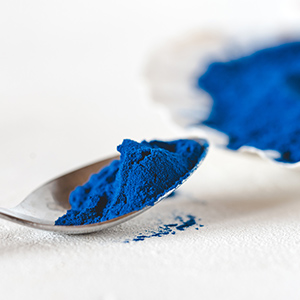
Powdered Blue Spirulina is the most stable form of the algae, thanks to its low moisture content. Key points: Shelf Life: Typically 12–24 months when stored in airtight containers. Storage: Keep in a cool, dry place away from sunlight and humidity to prevent clumping and nutrient loss. Advantages: Long shelf life, easy to transport, versatile for food and beverage applications. Tip from Blue Spirulina manufacturers in India: Using vacuum-sealed or nitrogen-flushed packaging further extends the shelf life while protecting the delicate Phycocyanin content. White Label Products: White label products are pre-formulated and ready-made by manufacturers. Companies can purchase these products and sell them under their own brand name with minimal changes. While convenient, white label products offer limited customization in terms of ingredients, formulation, or packaging.
Importance of Temperature Control
Temperature plays a vital role in maintaining the stability of Phycocyanin / Blue Spirulina:
Ideal Range: Store Blue Spirulina powders and extracts below 25°C (77°F) to prevent degradation of bioactive compounds.
High Temperatures: Exposure to heat can cause loss of color, reduction in antioxidant activity, and spoilage.
Cold Storage: Refrigeration or cool storage is recommended for liquid extracts to prolong shelf life without affecting potency.

Why Phycocyanin Is Light Sensitive
Phycocyanin is a protein-pigment complex that can degrade when exposed to UV or strong visible light. Prolonged exposure causes:
Color Fading: The bright blue hue diminishes, affecting visual appeal.
Nutrient Loss: Antioxidant and anti-inflammatory properties can reduce over time.
Reduced Shelf Life: Accelerated degradation may compromise safety and effectiveness.
Importance of Proper Packaging
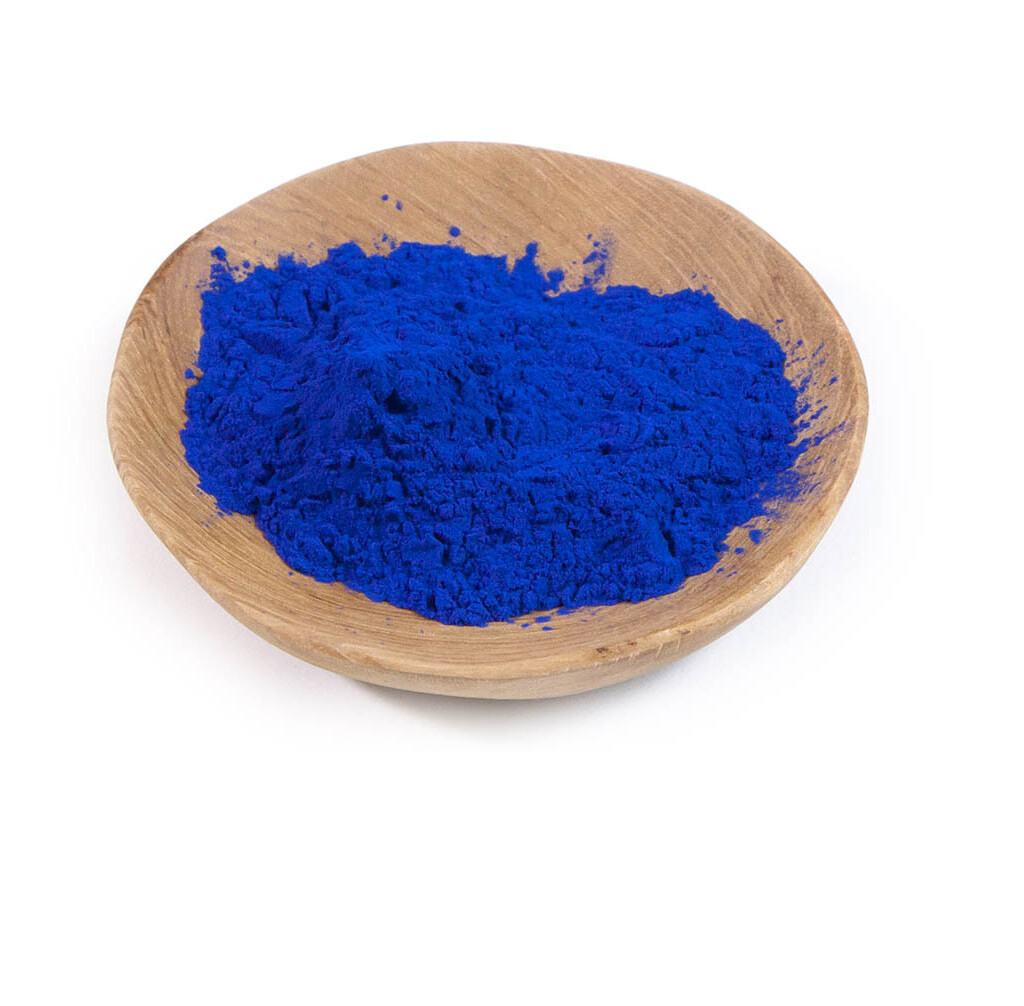
Packaging is more than just a container—it safeguards the delicate bioactive compounds in Blue Spirulina. Proper materials prevent:
Degradation of Phycocyanin, the blue pigment
Loss of nutritional and antioxidant properties
Contamination from external elements like moisture, dust, and microbes
Why Cold Storage Matters for Phycocyanin / Blue Spirulina
Phycocyanin, the natural blue pigment in Blue Spirulina, is highly sensitive to heat, light, and air. Improper storage can lead to:
Loss of color intensity
Reduced antioxidant activity
Degradation of proteins and nutrients
Cold storage slows down these processes, extending shelf life and ensuring the product remains safe and effective.
Key Transport Conditions for Blue Spirulina
Transport is a sensitive stage for Phycocyanin / Blue Spirulina because exposure to heat, moisture, or light can degrade its quality. Recommended practices include:
Temperature-Controlled Shipping: Use cool, dry transport conditions, ideally below 25°C (77°F), to prevent loss of pigment and bioactive compounds.
Moisture-Proof Packaging: Powdered Spirulina should be in airtight, sealed containers, while liquid extracts require leak-proof bottles with minimal air exposure.
Protection from Light: Opaque packaging or protective wraps prevent direct sunlight from degrading Phycocyanin.
Minimized Transit Time: Fast and efficient shipping reduces the risk of temperature fluctuations and contamination.
Advanced Drying Methods
Drying is one of the most critical steps in preserving Blue Spirulina:
Spray Drying: Quickly converts liquid extracts into powder while retaining most of the Phycocyanin content.
Freeze Drying: The preferred method for premium products, as it preserves both color and nutrients by removing moisture under low temperature and pressure.
These methods help prevent microbial growth and enzymatic degradation, extending shelf life significantly.
What Is Stability Testing?
Stability testing evaluates how environmental factors—like temperature, light, moisture, and oxygen—affect the quality of Blue Spirulina over time. For Phycocyanin / Blue Spirulina, this means monitoring the preservation of its vibrant blue color, antioxidant activity, and protein content under different storage conditions.
