

Why stability defines product performance
In the nutraceutical and food industries, a product’s effectiveness isn’t just determined by its formulation—it is equally defined by its stability over time. For blue spirulina, stability is crucial because its signature pigment, phycocyanin, is highly sensitive to light, heat, and pH changes. If the product loses its potency or color prematurely, it directly impacts not only its aesthetic appeal but also its nutritional and functional benefits.
For manufacturers in India, ensuring stability means that every batch of blue spirulina maintains consistent quality from production to the end consumer. A stable product guarantees that health claims are delivered reliably, shelf life is maximized, and customer trust is reinforced. In essence, stability isn’t just a technical specification—it defines product performance, efficacy, and market reputation.
Natural Sensitivity of Phycocyanin
Phycocyanin, the vibrant blue pigment that gives blue spirulina its signature color, is a natural protein with remarkable health benefits, including antioxidant and anti-inflammatory properties. However, its biological nature makes it inherently sensitive. Factors such as heat, light, oxygen, and pH fluctuations can degrade phycocyanin, leading to loss of color, reduced nutritional potency, and diminished functional efficacy. This sensitivity poses a significant challenge for manufacturers, as even minor deviations during processing, storage, or packaging can compromise the product’s quality. Understanding the natural vulnerabilities of phycocyanin is therefore critical for designing strategies that preserve its stability, ensure consistent product performance, and maximize shelf life. In the context of nutraceuticals, such as blue spirulina, private label manufacturing enables brands to offer high-quality, ready-to-market health ingredients without investing heavily in production facilities, research, or regulatory compliance. The manufacturer handles production, quality testing, and often packaging, while the brand owner controls the product’s identity, packaging design, and marketing strategy. From a regulatory standpoint, global food authorities are tightening norms around synthetic colors. Several artificial dyes face partial bans, warning label requirements, or usage restrictions across regions such as the European Union, the United Kingdom, and parts of Asia. In contrast, regulations continue to evolve, creating compliance challenges for food and beverage manufacturers that rely heavily on synthetic colorants. Constant monitoring, reformulation costs, and the risk of future bans make artificial colors a less sustainable long-term option. Blue spirulina manufacturers in India use standardized analytical methods, such as spectrophotometric absorbance ratios, to classify phycocyanin into different purity grades. Higher purity levels result in a more vibrant blue color, improved stability, and fewer impurities like chlorophyll or residual proteins. These factors are critical when phycocyanin is used in sensitive applications such as functional foods, nutraceuticals, cosmetics, and pharmaceuticals. Understanding phycocyanin purity helps buyers assess product quality, compare suppliers, and select the right grade based on intended use. Whether for natural food coloring or high-value health formulations, purity directly impacts performance, safety, and regulatory compliance.
Factors Affecting Shelf Life
The shelf life of blue spirulina is influenced by a combination of environmental, chemical, and packaging factors. Understanding these elements helps manufacturers in India optimize storage conditions and maintain product quality for longer durations. Key factors include:
Light Exposure
Phycocyanin, the vibrant blue pigment in spirulina, is highly photosensitive. Excessive exposure to sunlight or artificial light can degrade the pigment, causing color fading and loss of bioactive compounds.Temperature and Humidity
High temperatures accelerate chemical reactions and microbial growth, while excess moisture can lead to clumping or spoilage. Maintaining a cool, dry environment is essential for prolonging shelf life.
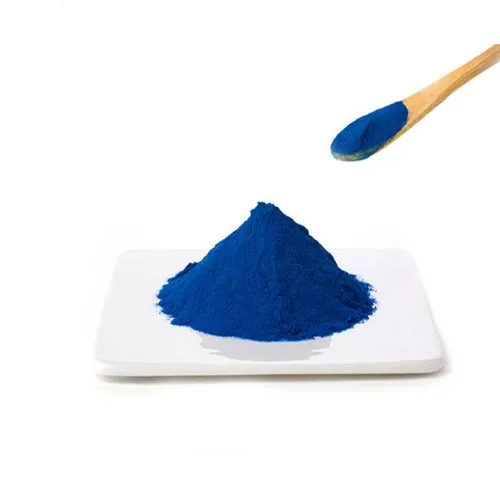
Temperature & Light Stability
One of the biggest challenges in maintaining the quality of blue spirulina is protecting it from temperature and light-induced degradation. The active pigment, phycocyanin, is highly sensitive: exposure to high temperatures can cause protein denaturation, while prolonged light exposure can lead to oxidation, fading the vibrant blue color and reducing its antioxidant properties.
Indian blue spirulina manufacturers focus on controlled processing and storage conditions to combat these effects. This includes low-temperature drying, cold storage during transportation, and packaging that limits light penetration, such as UV-protective bottles or opaque sachets. By carefully managing these factors, manufacturers can significantly extend the product’s shelf life while preserving its nutritional value, color, and bioactivity, ensuring that consumers receive a consistent, high-quality product.
Manufacturers typically offer a range of packaging formats—powder pouches, capsules, tablets, and sachets—allowing brands to cater to diverse consumer preferences. Beyond aesthetics, they also ensure packaging complies with safety, shelf-life, and regulatory standards, giving companies confidence that their products are market-ready. This customization empowers businesses to differentiate their offerings, build brand loyalty, and create a premium perception in the growing health and wellness segment.
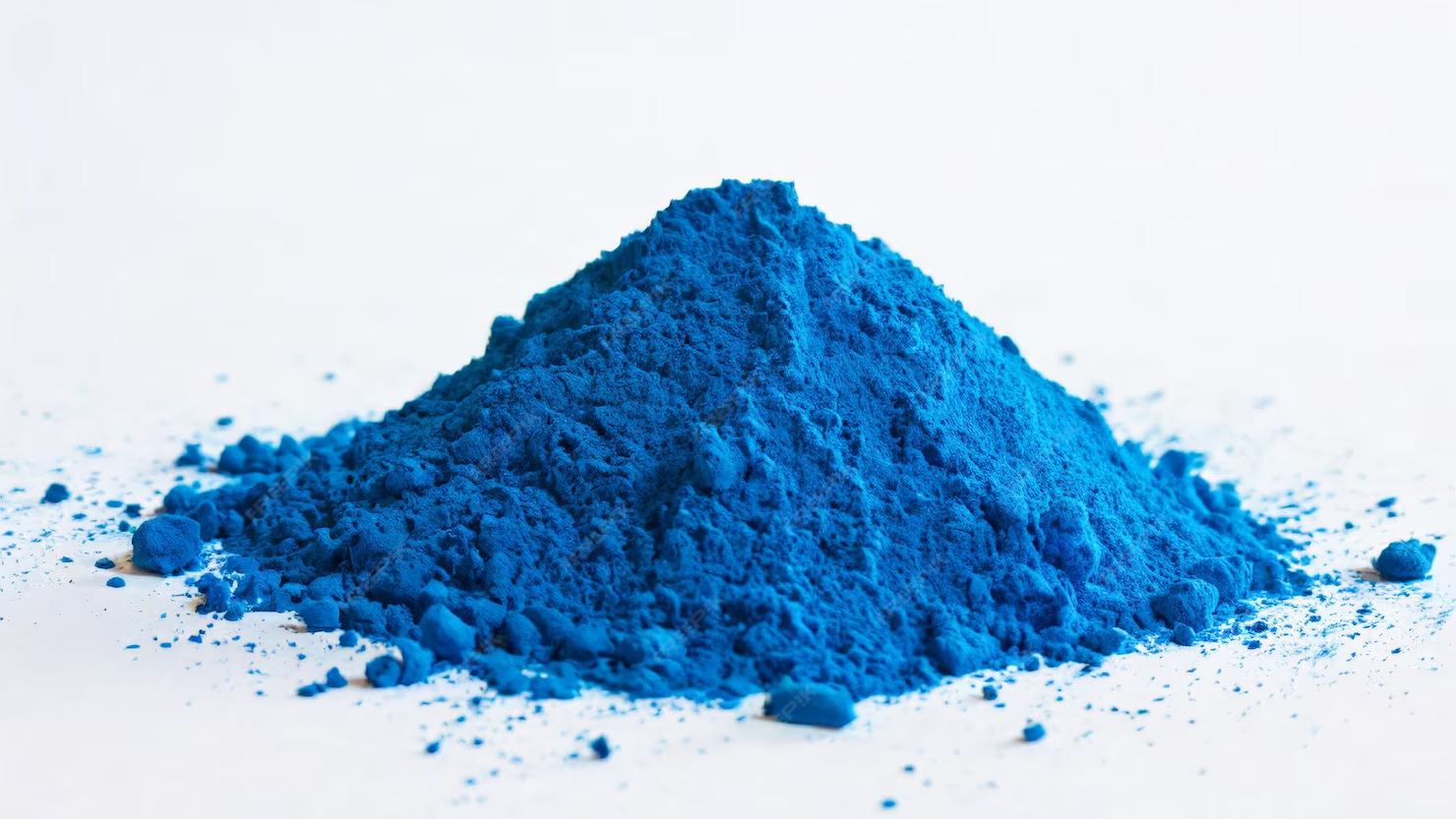
pH Sensitivity Explained
Blue spirulina owes its vibrant blue color and health benefits to phycocyanin, a pigment-protein complex that is highly sensitive to environmental conditions—especially pH. The acidity or alkalinity of a solution can significantly influence phycocyanin’s stability, color intensity, and antioxidant activity.
When the pH drifts outside its optimal range, the pigment can degrade, leading to color fading, reduced potency, and diminished shelf life. Understanding pH sensitivity is therefore essential for manufacturers in India to formulate stable, high-quality blue spirulina products that retain their nutritional and visual appeal throughout storage and use.
Stabilization Techniques Used in India
Maintaining the stability of blue spirulina is a major focus for manufacturers in India, given the sensitivity of phycocyanin to environmental factors. To ensure consistent quality and extended shelf life, several proven stabilization techniques are employed:
Spray Drying
Spray drying is one of the most common methods used in India to convert liquid spirulina extracts into powder form. By rapidly drying at controlled temperatures, manufacturers reduce moisture content, which helps prevent microbial growth and degradation of phycocyanin. Additionally, the powder form improves storage convenience and transportation stability.Freeze Drying (Lyophilization)
Freeze drying is ideal for high-value products where preserving color, nutrients, and bioactivity is critical. This technique involves freezing the spirulina extract and removing water under low pressure. Indian manufacturers often use this for premium-grade blue spirulina to maintain maximum phycocyanin integrity over extended storage periods.
Packaging Innovations for Stability
For blue spirulina, maintaining stability is as much about how it’s packaged as how it’s produced. Phycocyanin, the pigment that gives blue spirulina its vibrant hue, is highly sensitive to light, oxygen, and moisture, which can degrade both its color and nutritional potency over time. Innovative packaging solutions play a critical role in protecting the product from these environmental factors.
Indian manufacturers are increasingly adopting airtight, opaque, and UV-resistant packaging to minimize exposure to light and oxygen. Multi-layered pouches, vacuum-sealed containers, and nitrogen-flushed packs are common strategies that help extend shelf life while preserving the characteristic color and bioactive compounds.
Storage & Transportation Guidelines
For blue spirulina, proper storage and transportation are critical to preserve its phycocyanin content, color, and overall quality. Because this natural pigment is highly sensitive to heat, light, and moisture, even minor deviations can reduce its potency and shelf life.
Storage Guidelines:
Temperature Control: Keep blue spirulina in a cool environment (preferably below 25°C). Exposure to high temperatures can degrade phycocyanin and affect its vibrant blue color.
Moisture Protection: Store in airtight, moisture-proof containers to prevent clumping, microbial growth, or spoilage.
Light Protection: Use opaque or UV-resistant packaging, as direct sunlight can break down the pigment and reduce efficacy.
Hygiene & Cleanliness: Maintain a clean storage area free from contamination, pests, and strong odors that can affect product quality.
Export-Ready Private Label Solutions
India’s blue spirulina manufacturers not only cater to domestic demand but also provide robust solutions for businesses aiming to enter global markets. With stringent quality control, adherence to international certifications such as GMP, ISO, and organic standards, and advanced extraction and packaging technologies, Indian manufacturers ensure that private label products are export-ready from day one.
These solutions enable brands to offer nutraceutical ingredients that meet the regulatory and consumer expectations of regions like North America, Europe, and the Middle East. Companies can choose from customized formulations, unique packaging designs, and even fortified blends, all while leveraging the cost efficiencies of Indian production. By partnering with experienced blue spirulina manufacturers, brands can seamlessly expand their international presence, reduce time-to-market, and maintain consistent quality—key factors in building trust and recognition in competitive nutraceutical markets.
Shelf Life Differences by Product Form
The shelf life of blue spirulina can vary significantly depending on the form in which it is processed and packaged. Whether it is available as a powder, tablet, capsule, or liquid extract, each form presents unique stability challenges that directly influence how long the product retains its potency, color, and nutritional benefits.
Stability Testing Protocols
Ensuring the long-term quality of blue spirulina requires rigorous stability testing protocols. These protocols help manufacturers in India monitor how environmental factors—such as temperature, humidity, light, and oxygen—affect the product over time. Stability testing not only verifies shelf life but also ensures that the phycocyanin content, color, and overall potency remain consistent.
1. Accelerated Stability Testing
This involves exposing blue spirulina to elevated stress conditions—higher temperatures and humidity levels than normal storage. By simulating months of natural aging in a shorter period, manufacturers can quickly assess potential degradation patterns and identify critical formulation weaknesses.
2. Real-Time Stability Testing
Unlike accelerated tests, real-time stability testing monitors the product under normal storage conditions over its expected shelf life. This provides a realistic measure of how blue spirulina will perform on store shelves or during distribution, helping ensure that the product meets quality standards until the expiration date.
