
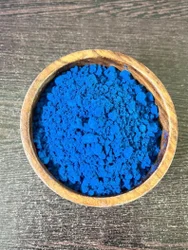
How automation improves efficiency, safety, and consistency.
In recent years, Blue Spirulina manufacturers in India have increasingly embraced automation to enhance the production of Phycocyanin / Blue Spirulina. Automation plays a crucial role in modern manufacturing by improving efficiency, ensuring consistent product quality, and maintaining stringent safety standards. By integrating advanced automated systems, manufacturers can streamline complex processes such as cultivation, harvesting, and extraction, reducing manual errors and operational delays. This not only optimizes resource utilization but also guarantees that the vibrant blue pigment, Phycocyanin, retains its purity and potency. As demand for natural and high-quality Blue Spirulina rises, automation has become a key factor in enabling Indian producers to meet both domestic and global standards with reliability and precision.
Automated cultivation monitoring
For Blue Spirulina manufacturers in India, maintaining optimal growth conditions is critical to producing high-quality Phycocyanin / Blue Spirulina. Automated cultivation monitoring has emerged as a game-changer in this process. By leveraging sensors and smart monitoring systems, manufacturers can continuously track key parameters such as temperature, pH levels, light intensity, and nutrient concentration. This real-time data allows for immediate adjustments, ensuring the microalgae thrive in ideal conditions. Automation not only minimizes human error but also enhances productivity and consistency, enabling producers to deliver a superior and uniform product. For Indian manufacturers aiming to meet growing domestic and international demand, automated monitoring represents a significant step toward efficient, scalable, and sustainable Blue Spirulina production.
Process parameter automation
For Blue Spirulina manufacturers in India, maintaining precise control over production conditions is critical to achieving high-quality Phycocyanin / Blue Spirulina. Process parameter automation involves using advanced systems to monitor and regulate key variables such as temperature, pH, light intensity, and nutrient flow during cultivation and extraction. By automating these parameters, manufacturers can ensure consistent growth conditions for Spirulina, optimize the yield of Phycocyanin, and minimize human error. This not only improves operational efficiency but also guarantees a consistent, high-purity product that meets strict quality standards. In an industry where precision and reliability directly impact both color intensity and nutritional value, automation of process parameters has become indispensable for modern Blue Spirulina manufacturers in India striving for excellence.
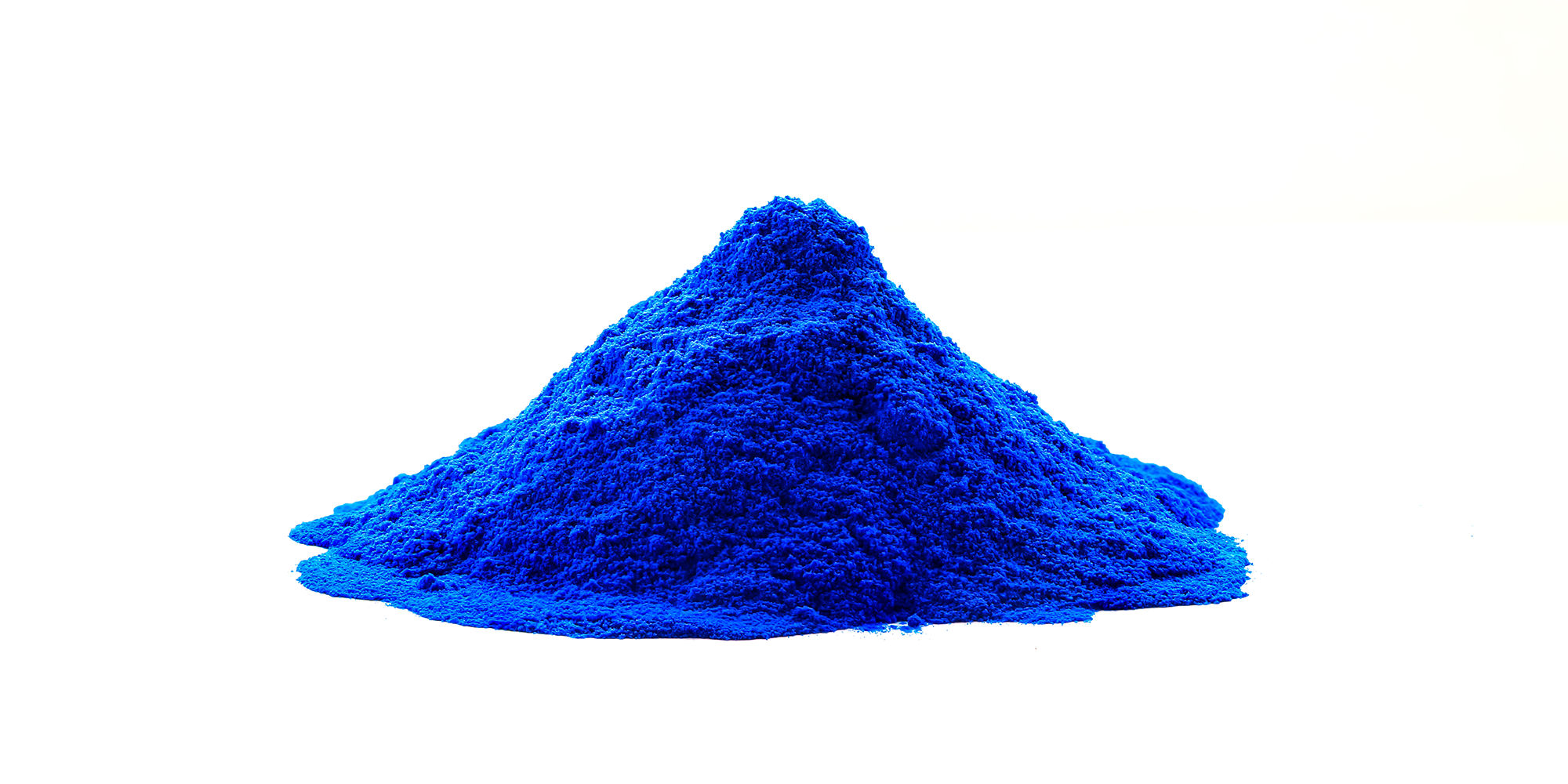
Real-time quality tracking
For Blue Spirulina manufacturers in India, maintaining consistent quality is critical, especially when producing Phycocyanin / Blue Spirulina, a highly sensitive and valuable pigment. Real-time quality tracking has emerged as a transformative approach in modern production processes, allowing manufacturers to monitor critical parameters such as pH, temperature, nutrient levels, and pigment concentration at every stage. By integrating sensors, automated analytics, and advanced monitoring systems, producers can detect deviations instantly and make adjustments without compromising yield or quality. This proactive approach not only ensures that each batch of Blue Spirulina meets stringent safety and purity standards but also enhances operational efficiency, reduces waste, and strengthens trust among consumers and international buyers. With real-time quality tracking, Indian manufacturers are setting new benchmarks for precision, reliability, and excellence in Phycocyanin production.

Batch documentation systems
For Blue Spirulina manufacturers in India, maintaining accurate and comprehensive records is critical to ensure product quality, regulatory compliance, and operational efficiency. Batch documentation systems have emerged as an essential tool in the production of Phycocyanin / Blue Spirulina, allowing manufacturers to track every step of the cultivation, harvesting, and extraction processes. These systems automate the recording of critical data such as raw material usage, process parameters, and yield information, reducing human error and enhancing traceability. By implementing batch documentation, manufacturers can ensure consistent product quality, quickly identify deviations, and meet stringent food and pharmaceutical industry standards. As the market for natural blue pigments grows, robust batch documentation systems are helping Indian producers maintain transparency, reliability, and excellence in every batch of Blue Spirulina.
Reduced human error
For Blue Spirulina manufacturers in India, minimizing human error is essential to ensure the consistent quality of Phycocyanin / Blue Spirulina. Manual handling during cultivation, harvesting, and extraction can lead to inconsistencies in pigment concentration, contamination, or loss of product. By implementing automation, processes such as monitoring growth conditions, controlling pH levels, and precise extraction of Phycocyanin are handled with high accuracy. This reduces the risk of mistakes that can compromise product purity and efficacy. Consequently, automated systems allow manufacturers to deliver a reliable, high-quality Blue Spirulina product, meeting both regulatory standards and consumer expectations while also saving time and reducing operational costs.
Energy optimization
For Blue Spirulina manufacturers in India, energy optimization has become a critical aspect of modern Phycocyanin / Blue Spirulina production. The cultivation and processing of Spirulina require precise control of lighting, temperature, and water circulation, all of which can consume significant amounts of energy. By adopting energy-efficient technologies and automated monitoring systems, manufacturers can reduce operational costs while maintaining optimal growth conditions for the algae. Energy optimization not only lowers the carbon footprint of production but also ensures the consistent quality and potency of the valuable Phycocyanin pigment. As the market for natural health supplements grows, Indian Blue Spirulina producers are leveraging energy-efficient strategies to remain competitive, sustainable, and capable of meeting rising demand with efficiency and reliability.
Predictive maintenance
For Blue Spirulina manufacturers in India, maintaining the delicate balance of production equipment is essential to ensure high-quality output of Phycocyanin / Blue Spirulina. Predictive maintenance has emerged as a game-changer in this context, enabling manufacturers to anticipate equipment failures before they occur. By using sensors, data analytics, and real-time monitoring, predictive maintenance helps identify potential issues in cultivation tanks, filtration systems, and extraction machinery. This proactive approach minimizes unexpected downtime, reduces repair costs, and ensures continuous, consistent production. For producers of Blue Spirulina, where the purity and potency of Phycocyanin are paramount, predictive maintenance not only safeguards product quality but also strengthens operational efficiency and sustainability in a competitive market.
Digital traceability
In the rapidly evolving nutraceutical industry, digital traceability has emerged as a game-changer for Blue Spirulina manufacturers in India. By implementing digital tracking systems across the production chain, manufacturers can monitor every stage of Phycocyanin / Blue Spirulina processing—from cultivation and harvesting to extraction and packaging. This level of transparency not only ensures consistent product quality but also strengthens consumer trust, as every batch can be traced back to its origin. Digital traceability enables real-time data recording, reduces human error, and facilitates compliance with food safety and international export standards. For Indian producers, integrating digital solutions is becoming essential to maintain competitiveness, meet regulatory requirements, and deliver high-quality, authentic Blue Spirulina to both domestic and global markets.
ERP & MES integration
For Blue Spirulina manufacturers in India, integrating ERP (Enterprise Resource Planning) and MES (Manufacturing Execution Systems) has become a game-changer in optimizing the production of Phycocyanin / Blue Spirulina. This integration allows manufacturers to seamlessly connect business operations with shop-floor activities, ensuring real-time visibility, precise control, and efficient resource management. By linking ERP with MES, processes such as raw material tracking, batch management, quality control, and compliance monitoring become more streamlined and error-free. This not only enhances operational efficiency but also ensures consistent quality of the vibrant blue pigment, Phycocyanin, which is highly sensitive to processing conditions. With ERP-MES integration, Blue Spirulina manufacturers in India can meet rising global demand, maintain production transparency, and achieve higher productivity while minimizing wastage and operational risks.
Automation ROI analysis
For Blue Spirulina manufacturers in India, investing in automation is no longer just a trend—it’s a strategic decision that directly impacts operational efficiency and profitability. An Automation ROI analysis helps manufacturers evaluate the financial benefits of integrating automated systems into the production of Phycocyanin / Blue Spirulina. By reducing labor costs, minimizing errors, and optimizing resource usage, automation ensures consistent quality while accelerating production cycles. The analysis also highlights how automation can improve scalability, meet growing market demand, and maintain compliance with safety and quality standards. For companies producing high-value products like Blue Spirulina, understanding the return on investment from automation is essential for making informed decisions and staying competitive in both domestic and international markets.
