
How manufacturers mitigate operational, quality, and supply risks.
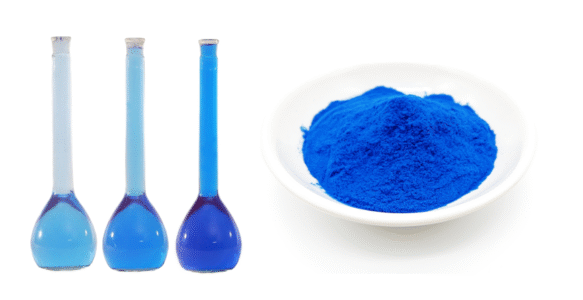
The rapid growth of the nutraceutical, food, and cosmetic industries has significantly increased demand for Phycocyanin / Blue Spirulina, a natural blue pigment known for its antioxidant and health-boosting properties. As this demand rises, Blue Spirulina manufacturers in India face a complex risk landscape that spans operational challenges, stringent quality requirements, and supply chain uncertainties. From maintaining controlled cultivation environments to ensuring consistent pigment purity and regulatory compliance, even minor disruptions can impact product integrity and market trust. To stay competitive and reliable, manufacturers adopt robust risk management strategies that proactively address operational inefficiencies, safeguard product quality, and stabilize raw material and distribution networks. This approach not only minimizes potential losses but also strengthens India’s position as a trusted global supplier of high-quality Blue Spirulina and Phycocyanin.
Raw Material Risk Management
For Blue Spirulina manufacturers in India, effective raw material risk management is critical to ensuring the consistent production of high-quality Phycocyanin / Blue Spirulina. Since Blue Spirulina is derived from Arthrospira platensis cultivated under controlled environmental conditions, any fluctuation in water quality, nutrient composition, or cultivation inputs can directly affect pigment yield and purity. To mitigate these risks, manufacturers prioritize sourcing high-grade nutrients and maintaining strict control over water quality through advanced filtration and regular testing. Many Blue Spirulina manufacturers in India also implement in-house cultivation systems rather than relying solely on external suppliers, reducing dependency risks and ensuring traceability from culture to final extract. Diversifying supplier networks for essential inputs such as growth media, minerals, and packaging materials further protects against supply disruptions caused by seasonal changes or logistical challenges.
Climate & Cultivation Risk
Climate variability poses a significant challenge for Blue Spirulina manufacturers in India, as the cultivation of Phycocyanin / Blue Spirulina is highly sensitive to environmental conditions. Factors such as temperature fluctuations, inconsistent sunlight, water quality changes, and unexpected rainfall can directly affect algae growth rates, pigment concentration, and overall biomass yield. Extreme weather events, including heatwaves and prolonged monsoons, further increase the risk of contamination and culture imbalance.
To mitigate these risks, manufacturers adopt controlled cultivation systems such as closed photobioreactors and semi-controlled ponds that allow precise regulation of light, temperature, and nutrient levels. Advanced monitoring tools are used to track pH balance, microbial activity, and water purity in real time, reducing the likelihood of crop failure. Additionally, many Blue Spirulina manufacturers in India diversify cultivation locations and maintain backup cultures to ensure continuous production despite regional climate disruptions.
Contamination Prevention Systems
Maintaining product purity is a critical priority for Blue Spirulina manufacturers in India, as Phycocyanin / Blue Spirulina is highly sensitive to microbial, chemical, and environmental contamination. Even minimal exposure to impurities can compromise color stability, safety, and nutritional value. To mitigate these risks, manufacturers implement closed-loop cultivation systems that limit external exposure and reduce the chances of airborne or waterborne contaminants entering the production process.
Advanced filtration and water purification technologies are widely used to ensure that the growth medium remains free from heavy metals, pathogens, and unwanted microorganisms. In addition, Blue Spirulina manufacturers in India follow strict sanitation protocols, including regular sterilization of equipment, controlled personnel access, and hygiene monitoring across cultivation, extraction, and drying stages. Quality assurance teams conduct routine microbial and purity testing to detect contaminants early and prevent batch-level failures.

Backup Production Planning
For Blue Spirulina manufacturers in India, backup production planning is a critical risk management strategy to ensure uninterrupted supply of Phycocyanin / Blue Spirulina. Production processes are highly sensitive to factors such as climate variations, power interruptions, equipment failure, and contamination risks. To mitigate these challenges, manufacturers establish secondary cultivation units, alternative processing lines, and standby extraction systems that can be activated during operational disruptions.
Many Blue Spirulina manufacturers in India also maintain redundant utilities—such as backup power systems, water treatment units, and controlled-environment infrastructure—to protect biomass quality and pigment stability. Additionally, maintaining buffer stock of critical inputs and semi-processed Phycocyanin allows manufacturers to meet delivery commitments even when primary production facilities face temporary setbacks. Through structured backup production planning, manufacturers enhance operational resilience, reduce downtime, and ensure consistent quality and availability of Blue Spirulina products for domestic and international markets.
Supplier diversification
Supplier diversification is a critical risk management strategy adopted by Blue Spirulina manufacturers in India to reduce dependency on a single source of raw materials, equipment, or processing inputs. The production of Phycocyanin / Blue Spirulina requires consistent access to high-quality algae cultures, nutrients, filtration systems, and extraction materials. Relying on a limited supplier base can expose manufacturers to risks such as price volatility, supply disruptions, logistical delays, or quality inconsistencies.
To mitigate these risks, manufacturers collaborate with multiple domestic and international suppliers for key inputs, ensuring continuity even if one source faces operational or regulatory challenges. Many Blue Spirulina manufacturers in India also invest in long-term partnerships with certified suppliers and encourage local sourcing where possible to minimize transportation risks and lead-time delays. By diversifying suppliers and maintaining stringent supplier qualification processes, manufacturers enhance supply chain resilience, stabilize production schedules, and ensure uninterrupted delivery of high-purity Phycocyanin and Blue Spirulina products to global markets.
Quality Deviation Handling
Maintaining consistent quality is critical in the production of Phycocyanin / Blue Spirulina, where even minor deviations can affect color intensity, purity, and safety. Blue Spirulina manufacturers in India implement structured quality deviation handling systems to quickly identify, assess, and correct variations that arise during cultivation, extraction, or processing stages. These systems rely on real-time monitoring of key parameters such as pH levels, temperature, microbial load, and phycocyanin concentration to detect anomalies at an early stage.
When a deviation is identified, manufacturers follow standardized investigation protocols, including root cause analysis and impact assessment, to determine whether the batch meets regulatory and customer specifications. Corrective and preventive actions (CAPA) are then implemented to prevent recurrence, such as adjusting process controls, retraining personnel, or upgrading equipment. By maintaining strict documentation, traceability, and compliance with international quality standards, Blue Spirulina manufacturers in India ensure that Phycocyanin / Blue Spirulina consistently meets global quality expectations while minimizing production risks and safeguarding brand credibility.
Regulatory Risk Mitigation
Regulatory compliance is a critical risk area for Blue Spirulina manufacturers in India, as Phycocyanin / Blue Spirulina is widely used in food, nutraceutical, pharmaceutical, and cosmetic applications that are governed by strict national and international standards. Manufacturers must comply with guidelines issued by authorities such as FSSAI, AYUSH, and international bodies including FDA and EFSA, depending on target markets. Any deviation in labeling, formulation, or processing can lead to product recalls, export rejections, or legal penalties.
To mitigate regulatory risks, manufacturers implement comprehensive compliance frameworks that include regular audits, updated documentation, and continuous monitoring of regulatory changes. Standard Operating Procedures (SOPs) are aligned with Good Manufacturing Practices (GMP) and Hazard Analysis and Critical Control Points (HACCP) to ensure consistent quality and safety. Additionally, proactive engagement with regulatory consultants and certification bodies enables faster adaptation to evolving regulations related to natural colorants and algae-based ingredients.
Export Logistics Risk
Export logistics pose a critical risk for Blue Spirulina manufacturers in India, especially when dealing with high-value, sensitive products like Phycocyanin / Blue Spirulina. These products require strict handling conditions, including temperature control, moisture protection, and secure packaging, to preserve color stability and bioactive properties during international transit. Delays at ports, customs clearance issues, or improper storage can lead to quality degradation, shipment rejections, and financial losses.
To mitigate export logistics risks, manufacturers implement robust packaging solutions, partner with experienced cold-chain and pharmaceutical-grade logistics providers, and maintain detailed export documentation aligned with international regulations. Many Blue Spirulina manufacturers in India also diversify shipping routes and carriers to reduce dependency on a single logistics channel, ensuring continuity even during geopolitical disruptions or port congestion. By proactively managing export logistics risks, manufacturers safeguard the quality of Phycocyanin / Blue Spirulina, protect brand reputation, and ensure timely delivery to global markets.
Data & Documentation Security
In the highly regulated production environment of Phycocyanin / Blue Spirulina, protecting sensitive data and critical documentation is essential for maintaining compliance, traceability, and operational continuity. Blue Spirulina manufacturers in India handle a wide range of confidential information, including cultivation records, quality testing reports, formulation data, supplier contracts, and regulatory approvals. Any breach, loss, or manipulation of this information can lead to compliance failures, production delays, or reputational damage.
To mitigate these risks, manufacturers implement secure digital documentation systems with controlled access, data encryption, and regular backups. Standard operating procedures (SOPs), batch records, and quality certifications are often digitized and stored in centralized platforms to ensure accuracy and easy retrieval during audits. In addition, version control mechanisms help prevent errors caused by outdated or unauthorized document changes.
Crisis Response Frameworks
For Blue Spirulina manufacturers in India, having a well-defined crisis response framework is essential to manage unexpected disruptions that can affect the production of Phycocyanin / Blue Spirulina. These frameworks are designed to ensure swift decision-making, minimize operational downtime, and protect product quality during emergencies such as equipment failures, contamination risks, regulatory changes, or supply chain interruptions.
Manufacturers typically establish cross-functional crisis management teams responsible for rapid risk assessment and coordinated action. Standard operating procedures (SOPs) are developed to address critical scenarios, including batch recalls, quality deviations, and environmental or climate-related challenges that can impact algae cultivation. By integrating real-time monitoring systems and traceability tools, Blue Spirulina manufacturers in India can quickly identify the root cause of a crisis and implement corrective and preventive actions.
