
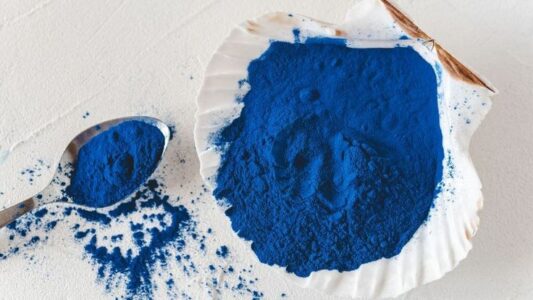
Importance of quality standards in algae-based products.
The demand for Phycocyanin / Blue Spirulina has grown rapidly in recent years due to its wide use in health supplements, functional foods, cosmetics, and natural food coloring. As consumers become more health-conscious, the need for high-quality algae-based ingredients has become more important than ever. This is where Blue Spirulina manufacturers in India play a crucial role by ensuring that their products meet strict quality standards and safety requirements.
Blue spirulina, which is extracted from spirulina algae, contains the powerful pigment phycocyanin, known for its antioxidant, anti-inflammatory, and immune-boosting properties. Because it is widely used in nutritional and commercial applications, maintaining purity, potency, and safety is essential throughout the production process.
Phycocyanin Percentage Standards
The phycocyanin percentage is one of the most important quality indicators used by Blue Spirulina manufacturers in India to determine the purity and effectiveness of Phycocyanin / Blue Spirulina products. Since phycocyanin is the active blue pigment extracted from spirulina algae, its concentration directly reflects the product’s quality, nutritional value, and market grade. High-quality Phycocyanin / Blue Spirulina contains a significant percentage of the phycocyanin pigment, which is responsible for its antioxidant and anti-inflammatory properties. To maintain consistent quality, Blue Spirulina manufacturers in India carefully monitor phycocyanin levels during the cultivation, extraction, and purification processes.
Protein Content Analysis
Protein content analysis is an essential quality parameter followed by Blue Spirulina manufacturers in India to ensure the nutritional value and purity of Phycocyanin / Blue Spirulina products. Since blue spirulina is derived from spirulina algae, it naturally contains a rich concentration of proteins and bioactive compounds that contribute to its health benefits.
For manufacturers, analyzing protein levels helps confirm the quality of the raw spirulina biomass before extracting Phycocyanin / Blue Spirulina. Advanced laboratory techniques are used to measure protein composition and verify that the algae used in production meets the required nutritional standards. This step ensures that the extracted phycocyanin maintains its functional and health-supporting properties.
Microbial Limits
Maintaining strict microbial limits is one of the most important quality parameters followed by Blue Spirulina manufacturers in India. Since Phycocyanin / Blue Spirulina is widely used in food products, dietary supplements, and beverages, it must meet high safety standards to ensure it is free from harmful microorganisms.
Microbial contamination can occur during cultivation, harvesting, processing, or packaging if proper hygiene and handling procedures are not followed. To prevent this, Blue Spirulina manufacturers in India implement controlled cultivation environments, purified water systems, and hygienic processing facilities. Regular microbial testing is conducted to monitor the presence of bacteria, yeast, mold, and other potential contaminants.
Heavy Metal Testing
Heavy metal testing is a critical quality parameter followed by Blue Spirulina manufacturers in India to ensure the safety and purity of Phycocyanin / Blue Spirulina products. Since spirulina is cultivated in water-based environments, there is a potential risk of contamination from heavy metals such as lead, mercury, arsenic, and cadmium if proper monitoring is not maintained. To protect consumer health and maintain product quality, strict testing procedures are implemented at different stages of production.
Reputable Blue Spirulina manufacturers in India conduct regular laboratory analysis of cultivation water, raw spirulina biomass, and the final Phycocyanin / Blue Spirulina extract. Advanced testing techniques such as ICP-MS (Inductively Coupled Plasma Mass Spectrometry) and atomic absorption spectroscopy are often used to detect even trace amounts of heavy metals.
Moisture Content Standards
Maintaining proper moisture levels is one of the key quality parameters followed by Blue Spirulina manufacturers in India. Since Phycocyanin / Blue Spirulina is a natural algae-based ingredient, controlling moisture content is essential to preserve its stability, color intensity, and nutritional value. Excess moisture can lead to microbial growth, reduced shelf life, and degradation of the sensitive phycocyanin pigment.
To ensure product safety and longevity, Blue Spirulina manufacturers in India carefully monitor the moisture content during the drying and processing stages. Advanced drying technologies such as spray drying and freeze drying are commonly used to maintain low moisture levels while preserving the natural quality of Phycocyanin / Blue Spirulina. These processes help protect the bioactive compounds and maintain the bright blue pigment that is highly valued in food and nutraceutical applications.
Solubility Testing
Solubility testing is an important quality parameter followed by Blue Spirulina manufacturers in India to ensure the effectiveness and usability of Phycocyanin / Blue Spirulina in various applications. Since blue spirulina is widely used in beverages, smoothies, dietary supplements, and food products, it must dissolve easily in water without leaving residue or clumps. Proper solubility ensures that the pigment blends smoothly and delivers consistent color and nutritional benefits.
High-quality Phycocyanin / Blue Spirulina should dissolve quickly in water or other liquid bases while maintaining its vibrant blue color. If the product does not dissolve properly, it can affect the texture, appearance, and overall quality of the final product. For this reason, Blue Spirulina manufacturers in India perform solubility tests during production to confirm that the powder disperses evenly and remains stable in different formulations.
Stability Testing
Stability testing is an essential quality parameter followed by Blue Spirulina manufacturers in India to ensure that Phycocyanin / Blue Spirulina maintains its effectiveness, color intensity, and nutritional value over time. Since phycocyanin is a natural pigment derived from spirulina algae, it can be sensitive to environmental factors such as temperature, light, pH levels, and moisture. Proper stability testing helps manufacturers determine how these factors affect the product during storage and transportation.
To maintain product quality, Blue Spirulina manufacturers in India conduct stability tests under controlled laboratory conditions. These tests evaluate how Phycocyanin / Blue Spirulina performs when exposed to different temperatures, humidity levels, and light conditions over a specific period. The results help manufacturers establish accurate shelf life, recommended storage conditions, and packaging methods that protect the product’s purity and potency.
Color Value Measurement
Colour value measurement is one of the most important quality parameters followed by Blue Spirulina manufacturers in India. Since Phycocyanin / Blue Spirulina is primarily used as a natural blue pigment in foods, beverages, and nutraceutical products, the intensity and purity of the blue color play a key role in determining product quality.
The colour value directly reflects the concentration and purity of phycocyanin extracted from spirulina. Higher colour values usually indicate a higher concentration of active phycocyanin, which means better nutritional value and stronger pigmentation. To ensure consistency and reliability, Blue Spirulina manufacturers in India use advanced spectrophotometric testing methods to measure the colour intensity and pigment concentration during production.
Batch-to-Batch Consistency
Maintaining batch-to-batch consistency is a critical quality parameter followed by Blue Spirulina manufacturers in India. Since Phycocyanin / Blue Spirulina is widely used in dietary supplements, functional foods, beverages, and natural coloring applications, manufacturers must ensure that every production batch delivers the same level of purity, color intensity, and nutritional value.
To achieve this consistency, Blue Spirulina manufacturers in India implement controlled cultivation and standardized extraction processes. Factors such as water quality, temperature, light exposure, and nutrient levels are carefully monitored during spirulina cultivation to maintain uniform algae growth. These controlled conditions help produce spirulina biomass with stable phycocyanin content, which directly influences the quality of the final Phycocyanin / Blue Spirulina extract.
Market Entry Strategy for New Brands
Entering the nutraceutical market can be highly rewarding, especially with the rising demand for natural superfoods and plant-based ingredients. One of the fastest-growing ingredients in this sector is Phycocyanin / Blue Spirulina, widely recognized for its antioxidant properties, vibrant natural color, and health benefits. For new businesses planning to launch products based on this ingredient, collaborating with reliable Blue Spirulina manufacturers in India can provide a strong foundation for market entry.
A key strategy for new brands is to adopt a private label manufacturing model. Instead of investing heavily in cultivation and extraction facilities, companies can partner with experienced Blue Spirulina manufacturers in India who already have the infrastructure, expertise, and quality certifications required for large-scale production. This approach reduces startup costs, shortens product development timelines, and allows brands to focus on marketing and brand positioning.
Third-Party Lab Testing
To maintain high product integrity and global market trust, Blue Spirulina manufacturers in India rely heavily on third-party laboratory testing. Independent lab testing plays a vital role in verifying the purity, safety, and potency of Phycocyanin / Blue Spirulina, ensuring that the product meets both domestic and international quality standards.
Third-party laboratories conduct detailed analysis to check important parameters such as phycocyanin concentration, microbial contamination, heavy metals, pesticide residues, and overall product purity. These tests help confirm that the Phycocyanin / Blue Spirulina produced is safe for use in food, beverages, dietary supplements, and cosmetic applications.
