
Phycocyanin Percentage Standards
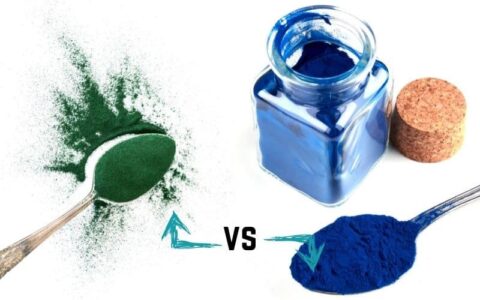
One of the most critical quality benchmarks for Phycocyanin / Blue Spirulina is the concentration of phycocyanin, the natural blue pigment and active compound responsible for its antioxidant and health-promoting properties. The phycocyanin percentage in a batch determines not only the potency but also the commercial value of the product.
Leading Blue Spirulina manufacturers in India strictly monitor and standardize phycocyanin content to ensure consistency across their products. Typically, high-quality Blue Spirulina contains 15–25% phycocyanin, although premium extracts may exceed this range. Maintaining these standards requires precise cultivation, controlled harvesting, and advanced extraction techniques that preserve the integrity of the pigment while preventing degradation.
Protein Content Analysis
One of the most critical quality parameters for Phycocyanin / Blue Spirulina is its protein content, which directly reflects its nutritional value and potency. High-quality Blue Spirulina is rich in complete proteins, containing all essential amino acids, making it an excellent supplement for health-conscious consumers. Blue Spirulina manufacturers in India prioritize rigorous protein content analysis to ensure that each batch meets international standards. Advanced laboratory techniques, such as Kjeldahl or Dumas methods, are employed to accurately measure protein levels, ensuring consistency and reliability. This analysis not only guarantees the nutritional benefits of Phycocyanin / Blue Spirulina but also helps manufacturers maintain credibility in both domestic and export markets.
Microbial Limits
One of the most critical quality parameters for Phycocyanin / Blue Spirulina is controlling microbial limits. Contamination by bacteria, yeast, or mold can compromise the safety, shelf life, and overall efficacy of the product. To ensure consumer safety, Blue Spirulina manufacturers in India follow stringent microbiological testing protocols at multiple stages of production—from cultivation and harvesting to drying and packaging.
These manufacturers routinely test for total plate count, coliforms, E. coli, Salmonella, and other pathogenic microorganisms. Maintaining microbial counts within permissible limits not only safeguards health but also ensures the stability of the vibrant blue pigment, Phycocyanin, which is highly sensitive to environmental conditions. By strictly adhering to microbial standards, Blue Spirulina manufacturers in India can deliver a premium, safe, and high-quality product suitable for both domestic and international markets.
Heavy Metal Testing
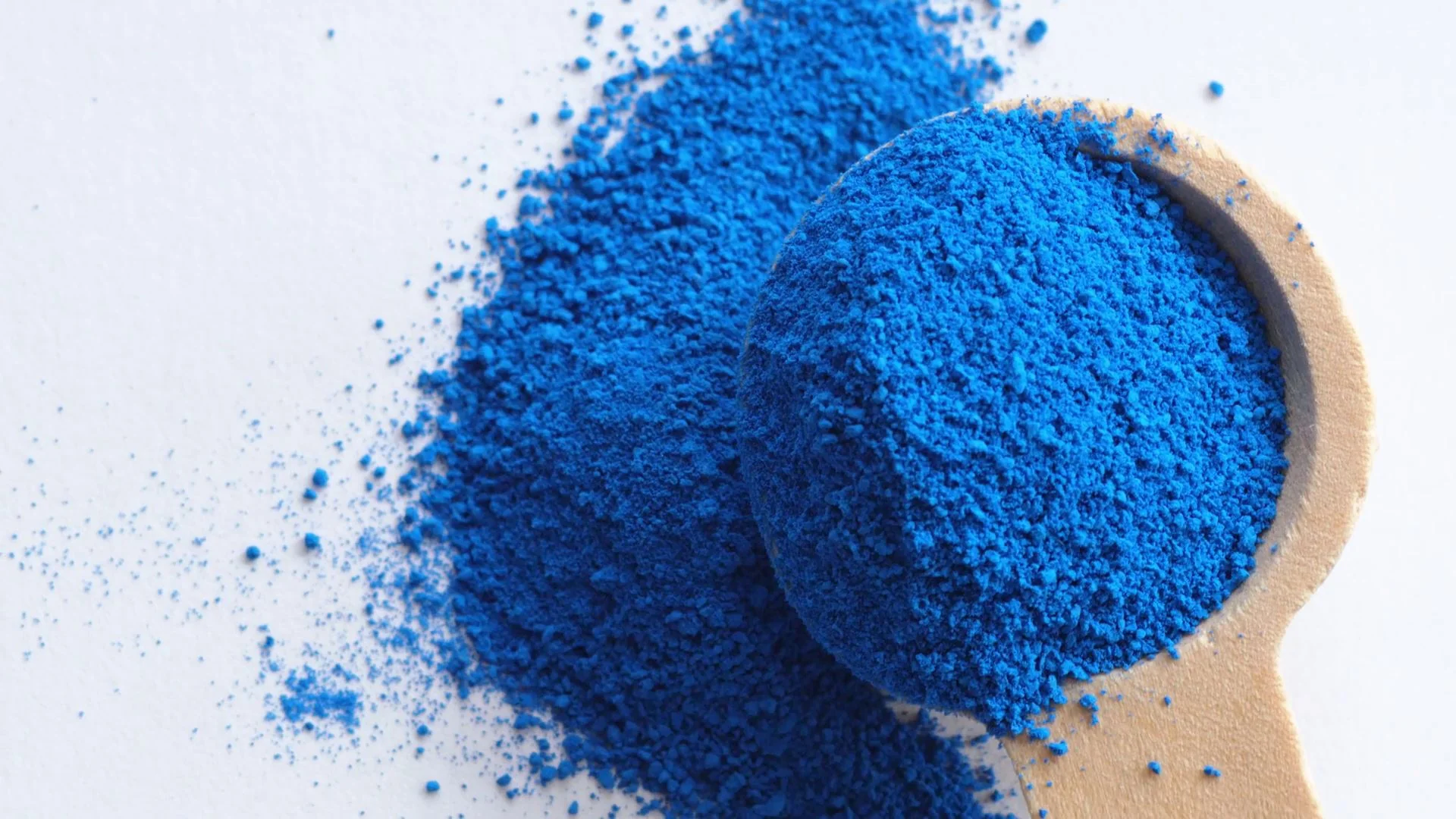
Ensuring the safety of Phycocyanin / Blue Spirulina is a top priority for Blue Spirulina manufacturers in India. One of the critical aspects of quality assurance is heavy metal testing. Algae can naturally absorb elements from their environment, which may include harmful heavy metals like lead, arsenic, cadmium, and mercury. Consuming products with even trace amounts of these metals can pose serious health risks.
To address this, reputable Blue Spirulina manufacturers in India implement rigorous heavy metal testing at multiple stages of production. Advanced analytical techniques, such as atomic absorption spectroscopy (AAS) and inductively coupled plasma mass spectrometry (ICP-MS), are employed to accurately detect and quantify any contaminants. These tests ensure that the Phycocyanin / Blue Spirulina meets international safety standards, providing consumers with a product that is both pure and safe.
Moisture Content Standards
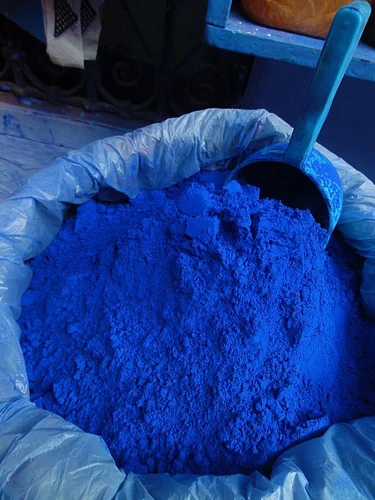
Maintaining optimal moisture levels is a crucial quality parameter for Phycocyanin / Blue Spirulina. Excess moisture can lead to microbial growth, reduce shelf life, and degrade the vibrant blue pigment, affecting both safety and potency. Conversely, overly dry Spirulina may lose some of its functional properties, including antioxidant activity and nutritional value.
Blue Spirulina manufacturers in India adhere to strict moisture content standards, typically keeping it below 7–8% in the final powdered product. This ensures that the Phycocyanin / Blue Spirulina remains stable during storage and transport while retaining its characteristic color, taste, and health benefits. Advanced drying techniques, such as spray drying or freeze-drying, are commonly employed by these manufacturers to achieve precise moisture control without compromising the delicate bioactive compounds.
Solubility Testing
For Phycocyanin / Blue Spirulina, solubility is a crucial quality parameter that determines how well the product dissolves in water or other liquids, which directly affects its usability in beverages, supplements, and food products. Poor solubility can indicate impurities, improper drying methods, or degraded pigments, which can compromise both the appearance and efficacy of the final product.
Leading Blue Spirulina manufacturers in India conduct rigorous solubility testing to ensure their products meet high standards. This testing involves dispersing a measured amount of powder in water under controlled conditions and observing its dissolution rate and uniformity. A high-quality Phycocyanin / Blue Spirulina will dissolve easily, producing a consistent, vibrant blue solution without sediment.
Stability Testing
Stability is a crucial quality parameter in the production of Phycocyanin / Blue Spirulina, as it determines the shelf life, potency, and color retention of the final product. Blue Spirulina manufacturers in India prioritize stability testing to ensure that their products remain effective under various storage conditions, including temperature, humidity, and light exposure.
During stability testing, samples of Phycocyanin / Blue Spirulina are analyzed over time to monitor any changes in pigment intensity, nutrient composition, and microbial activity. This process helps manufacturers identify optimal storage conditions, prevent degradation, and maintain the high nutritional value that consumers expect. By conducting thorough stability assessments, Blue Spirulina manufacturers in India uphold industry standards and deliver products that are both safe and consistent in quality.
Colour Value Measurement
One of the most critical quality parameters for Phycocyanin / Blue Spirulina is its vibrant blue color, which directly reflects the concentration and purity of the active pigment. Accurate colour value measurement ensures that the product meets both consumer expectations and industry standards.
Leading Blue Spirulina manufacturers in India employ sophisticated techniques such as spectrophotometry to assess the intensity of the blue pigment. This process involves measuring the absorbance of the extracted phycocyanin at specific wavelengths, which provides a clear indication of purity and potency. Maintaining a consistent colour value is not just a cosmetic factor—it also ensures that the Phycocyanin / Blue Spirulina delivers its full nutritional and antioxidant benefits.
Batch-to-Batch Consistency
For any natural supplement, maintaining batch-to-batch consistency is a critical marker of quality, and Phycocyanin / Blue Spirulina is no exception. Variations in color, potency, or purity can impact both the effectiveness of the product and consumer trust. Leading Blue Spirulina manufacturers in India prioritize strict monitoring of cultivation, harvesting, and extraction processes to ensure that every batch meets the same high standards.
From controlled growth conditions in open ponds or photobioreactors to standardized drying and powdering techniques, each step is meticulously regulated. Regular testing for pigment concentration, moisture content, and microbial safety ensures that each batch of Phycocyanin / Blue Spirulina delivers consistent nutritional and functional benefits. This commitment to uniformity not only strengthens the credibility of Indian manufacturers but also guarantees that consumers and industries receive a reliable and high-quality product every time.
Third-Party Lab Testing
For Blue Spirulina manufacturers in India, ensuring the purity and potency of Phycocyanin / Blue Spirulina is a critical step in maintaining product credibility. One of the most reliable ways to achieve this is through third-party lab testing. By sending samples to independent laboratories, manufacturers can verify essential quality parameters such as protein content, moisture levels, microbial contamination, and the concentration of phycocyanin—the active blue pigment that defines Blue Spirulina’s nutritional value.
Third-party testing provides an unbiased assessment, helping manufacturers adhere to both domestic standards and international regulations. It also instills confidence among consumers and B2B clients, who rely on certified data to ensure the supplement’s safety and efficacy. For Blue Spirulina manufacturers in India, such rigorous testing is not just a regulatory requirement but a commitment to delivering a premium, contaminant-free product with optimal Phycocyanin / Blue Spirulina content.
