
Factors Influencing Pricing
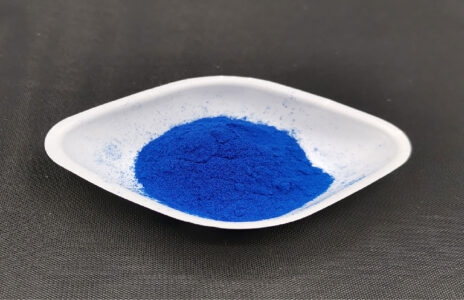
The pricing of blue spirulina in India is shaped by a variety of factors that manufacturers must carefully consider. As a premium natural pigment and health supplement, blue spirulina commands a higher price compared to regular spirulina, but the final cost is influenced by production processes, raw material quality, market demand, and regulatory compliance. Understanding these factors is crucial for businesses, distributors, and consumers alike, as they determine not only the affordability of the product but also its overall value in terms of purity, potency, and reliability. From cultivation methods to extraction techniques, each step in the supply chain plays a role in shaping the final price of blue spirulina in the Indian market.
Cost of Spirulina Cultivation
The cost of cultivating spirulina forms the foundation of the overall pricing structure for blue spirulina in India. Cultivation expenses can vary significantly depending on the scale of production, technology used, and quality standards maintained. Factors such as land or facility setup, water and nutrient management, labor, and energy consumption directly impact the cost per kilogram of spirulina harvested. By understanding these cultivation costs, manufacturers and investors can make informed decisions about production efficiency, pricing strategies, and market competitiveness, while ensuring that the final product meets the desired quality standards for health supplements and natural pigments. North America – The United States and Canada represent some of the largest markets for blue spirulina, driven by the growing demand for natural food colorants, dietary supplements, and clean-label products. Indian manufacturers cater to both B2B clients, such as food and beverage companies, and retail brands offering spirulina-based products. Europe – Countries like Germany, the United Kingdom, France, and the Netherlands are significant importers. European buyers prioritize quality, sustainability, and certifications such as organic and ISO standards, areas where Indian manufacturers have increasingly excelled.
Extraction Technology Costs
One of the most significant contributors to the pricing of blue spirulina is the cost of extraction technology. Producing high-purity phycocyanin, the blue pigment in spirulina, requires advanced equipment and precise processing techniques. The choice of extraction method—whether cold-water extraction, freeze-drying, or solvent-based processes—directly impacts production efficiency, yield, and ultimately the cost per kilogram of the final product. Manufacturers must also consider the initial investment, maintenance, and energy consumption associated with these technologies. As a result, extraction technology costs play a pivotal role in shaping the overall price structure of blue spirulina in India, reflecting both the quality of the product and the sophistication of the production process.
In addition, many exporters ensure their blue spirulina is organic-certified and free from contaminants such as heavy metals, pesticides, and microbial impurities, which is critical for markets like the United States, the European Union, and Japan. Standardized extraction methods are also employed to maintain high phycocyanin purity, the active blue pigment that defines the product’s quality and commercial value.
Impact of Purity Levels on Price
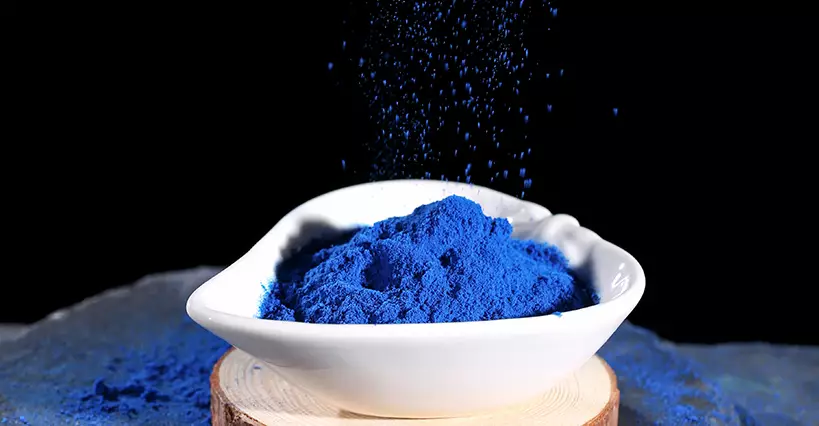
One of the most significant factors affecting the cost of blue spirulina in India is its purity level. Blue spirulina is prized for its high concentration of phycocyanin, the natural blue pigment responsible for its vibrant color and health benefits. Higher purity levels not only enhance its visual appeal and nutritional value but also demand more precise extraction and processing techniques, which increase production costs. As a result, manufacturers often price premium-grade, high-purity blue spirulina significantly higher than lower-purity alternatives. For buyers, understanding purity levels is essential, as it directly impacts both the product’s effectiveness and its market value.
Bulk Order Pricing Benefits
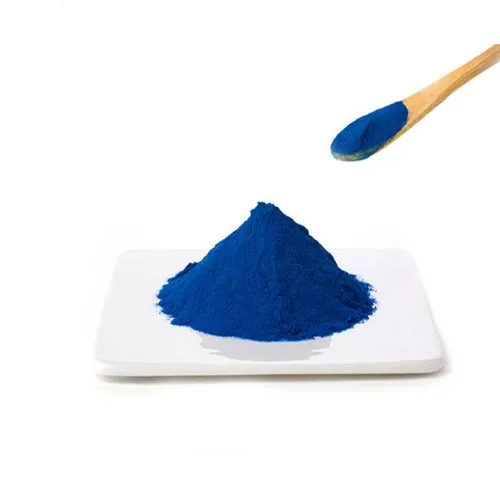
Purchasing blue spirulina in bulk offers significant advantages for businesses, manufacturers, and distributors. Beyond just cost savings, bulk orders provide better pricing leverage, predictable supply, and enhanced planning for production and sales. By buying in larger quantities, buyers can often access discounted rates, reduce per-unit costs, and improve profit margins. Additionally, bulk purchasing can help establish long-term relationships with suppliers, ensuring consistent quality and timely delivery. For companies looking to scale their operations or maintain steady inventory, understanding the benefits of bulk order pricing is essential for strategic procurement and cost optimization.
Domestic vs Export Pricing
Blue spirulina manufacturers in India often adopt different pricing strategies for domestic and international markets, reflecting variations in demand, regulatory standards, and operational costs. While domestic pricing is influenced primarily by local production costs, competition, and consumer purchasing power, export pricing factors in additional elements such as international quality certifications, shipping, customs duties, and currency fluctuations. Comparing domestic and export pricing provides valuable insight into how manufacturers balance profitability with market accessibility, and how India positions itself as a competitive supplier of high-quality blue spirulina in the global market.
Packaging Cost Impact
Packaging plays a significant role in determining the overall cost of blue spirulina for manufacturers in India. As a delicate, high-value product, blue spirulina requires packaging that preserves its quality, prevents contamination, and extends shelf life. Factors such as the choice of materials (glass, PET, or biodegradable options), size and type of containers, labeling, and compliance with food safety regulations all directly influence production costs. Beyond functionality, packaging also affects brand perception, which can justify higher pricing for premium products. For manufacturers, balancing cost-efficiency with product safety and aesthetic appeal is a critical part of pricing strategy.
Certification & Testing Costs
Certification and testing form a critical component of the pricing structure for blue spirulina in India. Manufacturers invest significantly in quality assurance to meet national and international standards, ensuring that their product is safe, pure, and compliant with food and pharmaceutical regulations. Costs associated with laboratory testing, third-party verification, and obtaining certifications such as FSSAI, ISO, or organic labels directly impact the overall production cost. These investments not only safeguard consumer trust but also enhance the marketability of blue spirulina, allowing manufacturers to justify premium pricing. Understanding these certification and testing costs is essential for anyone looking to evaluate or enter the blue spirulina market.
Seasonal Price Variations
The price of blue spirulina in India is not always static; it often fluctuates with seasonal changes. Factors such as climate conditions, sunlight availability, and water temperature directly impact the growth and yield of spirulina, which in turn affects production volumes. During certain seasons, lower yields or increased production costs can drive prices up, while favorable conditions may lead to higher supply and comparatively lower prices. For manufacturers and buyers alike, understanding these seasonal trends is essential for planning procurement, managing inventory, and optimizing cost efficiency.
Long-Term Supply Contracts
Long-term supply contracts play a significant role in shaping the pricing and stability of blue spirulina in India. By committing to extended agreements with suppliers or buyers, manufacturers can secure consistent raw material availability, optimize production planning, and mitigate the risks of price fluctuations. These contracts often influence cost structures, as predictable demand and supply allow manufacturers to negotiate better rates, reduce operational uncertainties, and plan investments in scaling up production. For businesses in the blue spirulina industry, understanding the dynamics of long-term contracts is essential for maintaining competitive pricing while ensuring consistent product quality.
Currency & Payment Terms
When exporting blue spirulina, understanding currency preferences and payment terms is crucial for smooth international transactions. Indian manufacturers typically conduct exports in major global currencies such as US Dollars (USD), Euros (EUR), and British Pounds (GBP), ensuring ease of trade with international buyers. Payment terms are often negotiated based on the buyer’s location, order size, and business relationship, with common methods including Advance Payment (T/T), Letter of Credit (LC), and Documentary Collections (D/P or D/A).
Most reputable manufacturers prioritize secure and transparent payment structures to build trust with global partners. For first-time buyers, advance payment or partial advance is standard, while repeat clients may benefit from flexible credit terms. Additionally, Indian exporters are well-versed in complying with international trade regulations, currency conversion requirements, and banking procedures, minimizing risks for overseas clients. By offering clear and reliable payment terms, Indian blue spirulina manufacturers enhance their competitiveness in the global nutraceutical market.
Cost Optimization for Buyers
For businesses and consumers looking to purchase blue spirulina in India, understanding strategies for cost optimization can make a significant difference. While high-quality blue spirulina offers excellent nutritional and commercial value, its premium pricing can impact procurement budgets. By exploring ways to optimize costs—such as selecting reliable manufacturers, considering bulk purchases, evaluating product grades, and understanding supply chain efficiencies—buyers can achieve a balance between affordability and quality. Effective cost optimization not only reduces expenses but also ensures that buyers maintain access to a consistent, high-purity product without compromising on performance or regulatory standards.
