
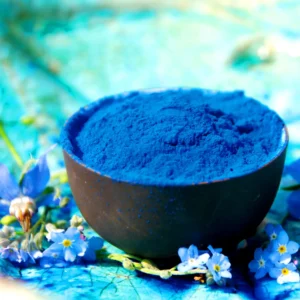
In recent years, the demand for natural colorants has skyrocketed as consumers and industries alike shift away from synthetic dyes. Among the most exciting discoveries leading this revolution is phycocyanin, the vibrant blue extract from spirulina that’s transforming the worlds of food, cosmetics, and wellness. But what exactly is phycocyanin, and why is it gaining so much attention? Let’s dive into the science, benefits, and innovations surrounding this stunning blue pigment.
What Is Phycocyanin?
Phycocyanin is a water-soluble pigment-protein complex naturally found in Spirulina platensis, a species of blue-green algae. It belongs to the phycobiliprotein family, which helps spirulina capture light for photosynthesis. Beyond its biological function, phycocyanin’s intense blue hue and powerful antioxidant properties have made it a star ingredient across industries. When extracted and purified, this blue extract from spirulina produces a natural, bright blue color — one that’s not only visually striking but also completely safe and biodegradable. Its natural origin and multifunctional properties make it a sustainable alternative to artificial dyes such as Brilliant Blue FCF (E133).
Why Choose the Blue Extract from Spirulina?
Consumers today are more conscious than ever about what goes into their food and skincare products. Synthetic colorants have long raised concerns about potential side effects and environmental impact. In contrast, phycocyanin offers a plant-based, toxin-free option derived from a renewable source — spirulina.
Here’s why the blue extract from spirulina is making waves:
100% Natural Origin – Extracted directly from spirulina biomass without the use of harmful solvents.
Vegan & Allergen-Free – Perfect for clean-label products catering to health-conscious consumers.
Rich in Antioxidants – Protects against oxidative stress, contributing to both nutritional and cosmetic benefits.
Eco-Friendly & Sustainable – Spirulina grows rapidly with minimal water and land usage, making it an ideal renewable resource.

Applications in the Food Industry
One of the most visible uses of phycocyanin is in the food and beverage industry. As synthetic dyes fall out of favor, brands are turning to this natural blue extract from spirulina to create visually appealing products that meet consumer demand for clean ingredients.
Some popular applications include:
Smoothies and juices with a brilliant blue tint.
Ice creams, candies, and desserts featuring eye-catching natural colors.
Dairy alternatives and plant-based beverages where natural colors improve aesthetic appeal.
Health supplements and functional foods, where phycocyanin also contributes nutritional value.
Unlike many natural pigments that degrade easily, phycocyanin offers good color stability in neutral to slightly alkaline conditions — making it a reliable option for a range of formulations.
Revolution in Cosmetics and Skincare
Beyond food, the blue extract from spirulina is redefining the cosmetics industry. The same antioxidant compounds that give phycocyanin its striking color also offer significant skincare benefits.
In cosmetics, phycocyanin is valued for:
Anti-aging properties – It helps combat free radicals that accelerate skin aging.
Soothing and anti-inflammatory effects – Ideal for sensitive or irritated skin.
Natural colorant for skincare and makeup – Used in creams, serums, masks, and eyeshadows for a subtle, natural blue tone.
Its gentle nature and nutrient content make it especially suitable for clean beauty formulations, a rapidly growing trend in global markets.
Health and Nutritional Benefits
Beyond aesthetics, phycocyanin offers remarkable health-promoting properties. As a potent antioxidant, it helps fight oxidative stress, supports immune function, and may have anti-inflammatory effects.
Studies have suggested that blue extract from spirulina could:
Help protect liver health.
Boost immune response.
Improve energy metabolism.
Support detoxification processes.
This makes it a powerful ingredient not just for color, but also for functional wellness applications in nutraceuticals and dietary supplements.
Challenges and Innovations
While phycocyanin is rich in benefits, it does have certain limitations — particularly sensitivity to heat and acidic pH. Prolonged exposure to high temperatures or low pH can cause the pigment to fade.

To overcome this, researchers and manufacturers are developing stabilized phycocyanin formulations, allowing the blue pigment to retain its brilliance in wider applications. New extraction technologies are also making production more efficient and sustainable, improving purity levels and reducing costs.
The Future of Natural Colorants
The rise of blue extract from spirulina signals a broader shift toward natural, sustainable ingredients across industries. As clean-label trends continue to grow, phycocyanin is poised to become a cornerstone of eco-friendly innovation in both food and cosmetics.
With ongoing research, we can expect even more advanced uses of phycocyanin — from biodegradable packaging to wellness-focused beauty products. Its unique blend of visual appeal, safety, and functionality makes it much more than just a colorant — it’s a symbol of nature’s brilliance meeting modern science.
Conclusion
Phycocyanin, the natural blue extract from spirulina, is more than a pigment — it’s a game-changer. From brightening foods to enhancing skincare, it embodies the perfect fusion of beauty, health, and sustainability. As consumers continue to demand cleaner, greener, and more transparent products, this vibrant blue wonder will continue to lead the way in shaping the future of natural innovation.
