
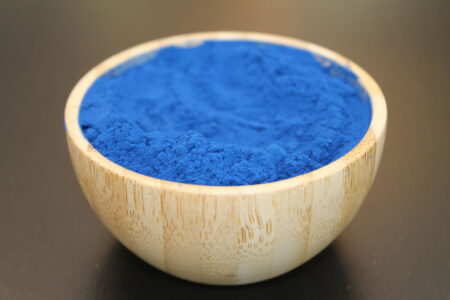
Business potential in the algae industry.
The global algae industry is rapidly gaining attention as demand grows for natural, plant-based ingredients used in food, health supplements, cosmetics, and pharmaceuticals. Among the many algae-derived products, blue spirulina has emerged as one of the most valuable natural compounds due to its vibrant color, high antioxidant content, and wide range of commercial applications. As industries shift toward clean-label and sustainable ingredients, the market for phycocyanin—the blue pigment extracted from spirulina—is expanding significantly across the world.
In this growing market, Blue Spirulina manufacturers in India are playing an increasingly important role. India offers favorable climatic conditions, lower production costs, and expanding biotechnology infrastructure, making it an attractive destination for large-scale spirulina cultivation and processing. As a result, several Blue Spirulina manufacturers are investing in advanced cultivation systems, modern extraction technologies, and quality control standards to meet both domestic and international demand.
Market Growth Statistics
The global market for blue spirulina and its key extract, phycocyanin, is experiencing strong and consistent growth, driven by increasing demand for natural food colorants, plant-based ingredients, and nutraceutical products. This rapid expansion has created significant opportunities for Blue Spirulina manufacturers in India, as the country is emerging as an important production hub for spirulina cultivation and algae-based ingredients. Recent industry reports highlight the strong upward trend of the phycocyanin market, which is the primary compound extracted from blue spirulina. The global phycocyanin market is expected to grow from approximately USD 962 million in 2026 to around USD 1.89 billion by 2036, registering a compound annual growth rate (CAGR) of about 7%. This growth is largely fueled by the rising adoption of natural pigments in food and beverage products and the increasing demand for plant-based nutritional supplements.
Start-up Opportunities in Blue Spirulina Manufacturing
The surge in demand for natural, health-focused, and plant-based products has opened exciting avenues for new businesses in the algae industry. Specifically, Blue Spirulina manufacturers in India are at the forefront of this emerging market, creating opportunities for start-ups to establish themselves in a high-growth, sustainable sector.
For aspiring entrepreneurs, entering the blue spirulina market presents several advantages. India’s favorable climate, abundant sunlight, and cost-effective labor make spirulina cultivation economically viable. Modern cultivation techniques, coupled with innovative extraction and processing technologies, allow start-ups to produce high-quality phycocyanin for use in nutraceuticals, functional foods, beverages, cosmetics, and natural colorants.

Contract Manufacturing Investment in Blue Spirulina
Contract manufacturing has become a strategic pathway for businesses looking to enter the high-demand blue spirulina market without investing heavily in infrastructure or production facilities. By partnering with experienced Blue Spirulina manufacturers in India, companies can leverage established cultivation, extraction, and quality control processes while focusing on branding, marketing, and distribution.
India’s position as a hub for Blue Spirulina manufacturers makes it an ideal destination for contract manufacturing. Many manufacturers offer flexible production capacities, state-of-the-art extraction technologies, and compliance with international quality standards, enabling investors to produce high-quality phycocyanin for nutraceuticals, functional foods, cosmetics, and beverages.

Government Support & Subsidies
The growth of the blue spirulina industry in India has been strongly supported by various government initiatives aimed at promoting sustainable agriculture, biotechnology, and health-focused products. Blue Spirulina manufacturers in India benefit from policies designed to encourage research and development, modern cultivation techniques, and export-oriented production. These initiatives make it easier for new and existing Blue Spirulina manufacturers to scale their operations and maintain competitive pricing in both domestic and international markets.
Key government support includes subsidies on infrastructure development, low-interest loans for setting up algae cultivation units, and grants for innovation in extraction and processing technologies. Agencies such as the Ministry of Micro, Small and Medium Enterprises (MSME) and biotechnology-focused bodies provide financial incentives, training programs, and technical guidance specifically tailored to algae-based industries.
ROI Expectations
Investing in the blue spirulina sector offers attractive returns due to the growing global demand for natural, plant-based ingredients. Blue Spirulina manufacturers in India can expect healthy profit margins because of relatively low production costs combined with the high market value of phycocyanin, the primary extract of blue spirulina.
Revenue streams for Blue Spirulina manufacturers include supply to the food and beverage industry, nutraceuticals, cosmetics, and even pharmaceuticals. As consumer preferences increasingly shift toward natural and sustainable products, the demand for blue spirulina continues to rise, directly impacting the potential return on investment.
Infrastructure Requirements for Blue Spirulina Manufacturing
For any venture into the algae industry, understanding the infrastructure requirements is critical to ensure high-quality production and scalability. Specifically, Blue Spirulina manufacturers in India need to establish a robust setup that supports large-scale cultivation, efficient extraction, and stringent quality control.
The first key component is the cultivation system. Spirulina thrives in controlled environments such as open raceway ponds or closed photobioreactors, which allow for precise regulation of temperature, pH, light, and nutrient levels. Investing in modern cultivation infrastructure ensures consistent growth, high yield, and minimal contamination—an essential factor for premium-grade blue spirulina.
Next is the harvesting and processing unit. After cultivation, spirulina must be carefully harvested, washed, and concentrated. Advanced filtration, drying, and extraction technologies are required to isolate phycocyanin—the blue pigment—with maximum purity. Efficient processing facilities not only enhance product quality but also reduce operational costs, making the business more competitive.
Risk Assessment
Investing in the blue spirulina sector offers attractive prospects, but like any emerging industry, it comes with its set of challenges. For Blue Spirulina manufacturers in India, understanding and managing these risks is critical for long-term success.
One of the primary risks is production and cultivation challenges. Spirulina requires specific water quality, temperature, and nutrient conditions for optimal growth. Any fluctuations in these parameters can significantly affect yield and quality. Blue Spirulina manufacturers must invest in robust monitoring systems and skilled workforce to minimize such risks.
Regulatory compliance is another important factor. As spirulina is often used in food, dietary supplements, and cosmetics, manufacturers must adhere to strict standards set by the Food Safety and Standards Authority of India (FSSAI) and international bodies for exports. Non-compliance can result in fines, product recalls, or export restrictions.
Export Revenue Potential
The global demand for natural and sustainable ingredients has opened significant avenues for Blue Spirulina manufacturers in India. With its rich nutritional profile, vibrant blue pigment, and versatile applications in food, beverages, cosmetics, and nutraceuticals, blue spirulina is increasingly sought after in international markets. Countries in North America, Europe, and Asia are actively importing this superfood ingredient, creating a lucrative export market.
For Blue Spirulina manufacturers, this trend translates into substantial export revenue potential. India’s cost-effective production infrastructure, combined with favorable climatic conditions and skilled labor, allows manufacturers to produce high-quality blue spirulina at competitive prices. Many Blue Spirulina manufacturers are now scaling operations to meet both domestic and international demand, positioning India as a key exporter in the global algae industry.
Industry Partnerships
Collaboration and strategic alliances are crucial for the growth and success of the blue spirulina sector. Blue Spirulina manufacturers in India are increasingly forming partnerships with research institutions, food and beverage companies, nutraceutical brands, and cosmetic industries to expand their reach and improve product quality. These collaborations enable manufacturers to innovate in extraction techniques, enhance phycocyanin purity, and develop new formulations that cater to evolving consumer demands.
By working closely with suppliers, distributors, and end-user companies, Blue Spirulina manufacturers can streamline their supply chains, reduce production costs, and ensure consistent quality. Additionally, partnerships with global players open up export opportunities, allowing Indian manufacturers to compete in international markets where the demand for natural and sustainable ingredients is rising.
Long-Term Industry Outlook
The long-term outlook for the blue spirulina industry in India is highly promising, driven by increasing global demand for natural, sustainable, and health-focused products. As consumers become more conscious of clean-label ingredients, the demand for blue spirulina—renowned for its vibrant color, antioxidant properties, and nutritional benefits—is expected to grow steadily. This trend presents significant opportunities for Blue Spirulina manufacturers in India to expand their production capacity and cater to both domestic and international markets.
Over the coming years, Blue Spirulina manufacturers are likely to benefit from technological advancements in cultivation and extraction, which will enhance efficiency, reduce production costs, and improve product quality. Moreover, India’s favorable climate, abundant sunlight, and availability of freshwater resources create an ideal environment for large-scale spirulina farming, further strengthening the industry’s growth potential.
