
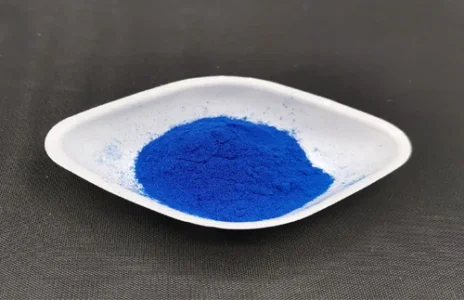
Blue is one of the hardest colors to source from nature, and the rise of Blue spirulina extract (largely driven by phycocyanin from spirulina and other cyanobacteria) has reopened a field of intense innovation. Today’s advances aren’t just about producing a pretty hue — they’re about making natural blue pigments stable, scalable, and versatile enough to replace synthetic dyes across food, cosmetics, textiles, and pharmaceuticals. Here’s a clear look at where the technology is heading.
Why Blue spirulina extract matters
Synthetic blues have dominated many industries for decades because they were cheap, bright, and stable. Consumers and regulators, however, increasingly demand natural, transparent ingredients. Blue spirulina extract answers that call: it’s perceived as cleaner-label, often offers functional benefits (antioxidant, sometimes nutritive), and taps into circular-bioeconomy narratives when sourced from microbial cultivation rather than wild-harvested plants.
Better extraction: gentler, greener, and purer
Extraction quality defines utility. Traditional solvent-based methods can damage pigments or leave residues. Innovations focus on:
Green solvents and aqueous processes that extract phycocyanin and related pigments without harsh chemicals.
Enzyme-assisted extraction to gently free pigments while keeping molecular integrity intact, increasing yield and purity.
Membrane separation and ultrafiltration to concentrate pigments efficiently and remove unwanted proteins and salts.
These improvements produce higher-purity Blue spirulina extract with fewer downstream purification steps — essential for food and pharma uses.
Stability engineering: keeping the color true
A major barrier to widespread adoption of natural blues is stability: light, heat, pH, and oxygen can degrade the pigment. Technological responses include:
Microencapsulation and nanoencapsulation, which protect pigment molecules inside lipid, polymer, or carbohydrate shells. This can dramatically improve shelf life and resistance to processing conditions.
Co-pigmentation and formulation chemistry: pairing blue pigments with stabilizing molecules or antioxidants reduces color loss during processing and storage.
Solid-state formulations for powdered applications (baking mixes, confectionery coatings) that tolerate higher temperatures.
These approaches make Blue spirulina extract practical in products previously off-limits for natural pigments.
Scale and cultivation: from lab to industrial volumes
Commercial viability depends on reliable supply. Innovations aim to:
Optimize photobioreactor design for spirulina or cyanobacteria growth, increasing biomass per unit footprint.
Apply precision cultivation (light spectra, nutrient control) to maximize pigment content rather than just biomass.
Integrate pigment production with other valorization steps (protein extraction, biomass for animal feed) to improve economics.
This shift toward industrialized, controlled cultivation helps stabilize cost and meet demand at scale.
Formulation frontiers: new uses and sensory benefits
As stability and purity improve, product categories open up:
Beverages and dairy: clearer, vibrant blues that don’t flocculate or alter mouthfeel.
Confectionery and bakery: heat-tolerant encapsulated blue that survives baking.
Cosmetics: safe, appealing blues for eye makeup, lotions, and hair products that market “natural” colorants.
Textiles: while more challenging due to wash-fastness needs, new binders and mordants paired with Blue spirulina extract are enabling experimental natural-dye textiles.
Because some natural blue pigments carry antioxidant or anti-inflammatory activity, formulators are also exploring dual-function colorants that add measurable benefit beyond aesthetics.
Regulatory, safety, and transparency
Wider adoption requires regulatory approval and thorough safety data. The industry is moving toward:
Standardized purity metrics and certified production practices.
Clear labeling and supply-chain traceability to reassure brands and consumers.
Toxicology and allergenicity testing tailored to each end-use (food vs. topical cosmetics).
Transparency around source and processing will be a competitive advantage for brands using Blue spirulina extract.
Sustainability: circular thinking and reduced footprints
Sourcing pigments from microbial cultivation can be more sustainable than synthetic chemical production or agricultural extraction. Innovations include:
Using waste CO₂ streams or nutrient-rich effluents to feed microalgae cultures.
Biorefinery concepts where pigment production is coupled with food ingredients, biofertilizers, or animal feed, reducing waste and improving economics.
This circular approach strengthens the environmental case for switching to natural blue pigments.
Challenges and the road ahead
Despite progress, hurdles remain: cost parity with synthetic dyes, full thermal stability for all uses, and broader regulatory approvals. Key future directions likely to accelerate adoption are:
Synthetic biology to engineer strains producing more stable, intense blues or novel blue molecules.
Advanced encapsulation materials that are food-safe, biodegradable, and lower-cost.
Cross-industry collaboration to standardize tests and scale manufacturing infrastructure.
Conclusion
Blue spirulina extract has moved from a niche curiosity to a rapidly maturing technology platform. Advances in green extraction, stability engineering, cultivation scale-up, and sustainability are aligning to make natural blue pigments commercially attractive across many industries. The next five to ten years will likely see the color blue — once so elusive in nature — become one of the most dynamic areas of natural-ingredient innovation. For brands and formulators, keeping an eye on encapsulation breakthroughs and scalable cultivation models will be the smartest way to be ready when natural blue finally becomes mainstream.
