

In recent years, the demand for natural food colors has grown rapidly, and one ingredient has stood out for its brilliant hue and health benefits — Blue Extract from Spirulina. Derived from Arthrospira platensis, a type of blue-green algae, this natural pigment—commonly known as phycocyanin—offers a vivid blue shade and antioxidant properties that make it popular across food, beverage, and cosmetic industries.
However, one of the biggest challenges with Blue Extract from Spirulina is maintaining its stability and shelf life. The pigment is sensitive to heat, light, and pH changes, which can degrade its color and reduce product efficacy. Indian companies, recognizing both the potential and the challenges, have invested heavily in innovation, research, and technology to overcome these limitations.
Here’s how Indian manufacturers are ensuring stability and long shelf life in the production of Blue Extract from Spirulina.
1. Advanced Extraction Techniques
Modern extraction processes play a crucial role in preserving pigment quality. Traditional extraction methods often exposed phycocyanin to heat and oxidation, leading to quick color fading. Today, Indian producers employ cold-water extraction and membrane filtration techniques to minimize thermal damage. Some companies use enzymatic cell disruption to break Spirulina cells efficiently, releasing the pigment without harsh chemicals or high temperatures. This results in a purer, more stable extract with improved color intensity.
2. Controlled Drying and Concentration
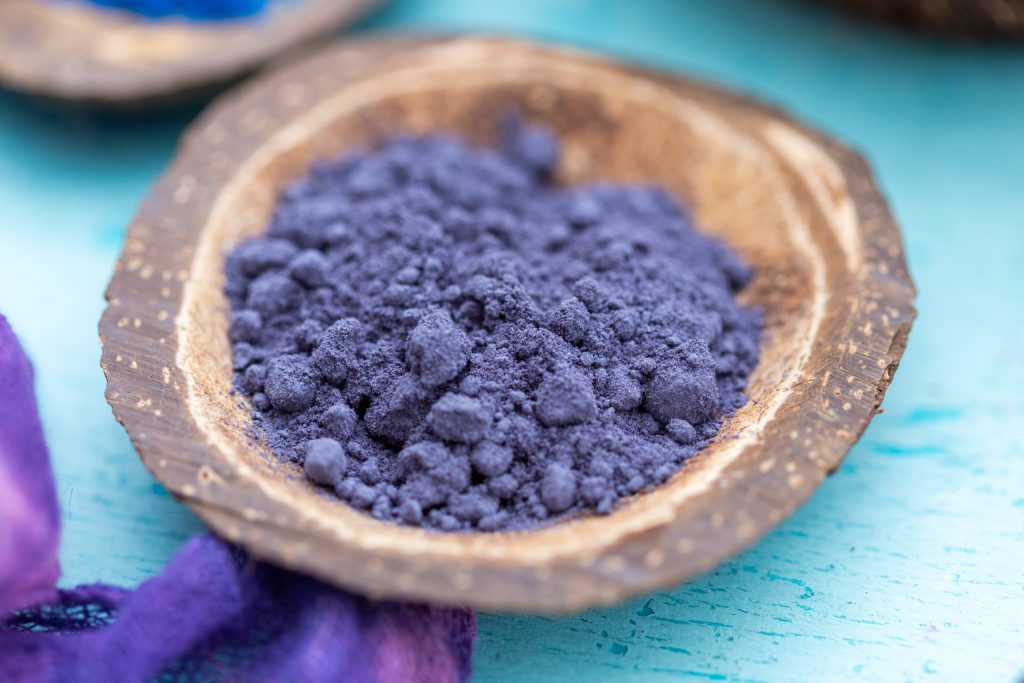
Post-extraction, maintaining pigment integrity during drying is critical. Indian manufacturers use spray drying or freeze-drying technologies to convert the liquid extract into a stable powder form.
Spray drying ensures rapid dehydration while maintaining pigment quality.
Freeze-drying, though costlier, helps retain nutritional and color properties by avoiding high temperatures altogether.
The choice of drying technique often depends on the intended application—food-grade, cosmetic-grade, or nutraceutical-grade extract.
3. Use of Natural Stabilizers and Antioxidants
To improve shelf life, Indian companies are now combining Blue Extract from Spirulina with natural stabilizers such as trehalose, maltodextrin, or glycerol. These compounds help retain color and prevent oxidation.
Additionally, natural antioxidants like ascorbic acid (Vitamin C) and tocopherols (Vitamin E) are added to protect the pigment from light and oxygen exposure. This approach extends the usable life of the extract without relying on synthetic preservatives, keeping the product 100% natural.
4. pH and Temperature Optimization
Phycocyanin is most stable in neutral to slightly alkaline conditions. Indian R&D teams have fine-tuned extraction and storage processes to maintain the pigment in the optimal pH range (6.0–7.5).
Temperature control is equally important. Cold chain logistics are used to store and transport the extract, particularly in liquid form. Powdered versions are more heat-tolerant and therefore preferred for longer shelf stability.
5. Microencapsulation for Long-Term Stability
One of the most innovative methods adopted by Indian companies is microencapsulation. In this process, the Blue Extract from Spirulina is enclosed within a protective coating—such as lipids, proteins, or polysaccharides.
This encapsulation:
Shields the pigment from light and oxygen.
Enhances water dispersibility in various formulations.
Significantly prolongs shelf life by slowing degradation.
Microencapsulation has made it possible for food and beverage brands to use Spirulina Blue in applications that require longer product life and wider distribution.
6. Quality Control and Standardization
Indian manufacturers adhere to strict quality standards and regulatory frameworks like FSSAI, ISO, and HACCP. Regular testing ensures pigment purity, color consistency, and microbial safety.
Batch-to-batch consistency is maintained using spectrophotometric analysis, ensuring uniform color intensity across all applications—from confectionery to dairy to cosmetics.
By adopting Good Manufacturing Practices (GMP) and leveraging laboratory automation, Indian producers ensure that every gram of extract meets global export standards.
7. Sustainable and Clean Production Practices
Stability and shelf life are not the only focus—sustainability matters too. Many Indian companies cultivate Spirulina in closed photobioreactors or controlled ponds to ensure a contamination-free environment. These systems optimize nutrient supply, sunlight exposure, and temperature—factors that influence pigment yield and purity.
Moreover, eco-friendly drying and solvent recovery systems minimize waste, aligning with the growing global demand for clean-label, sustainable colorants.
Conclusion
The journey of producing stable, long-lasting Blue Extract from Spirulina in India combines science, technology, and sustainability. Through advanced extraction methods, natural preservation techniques, and innovative encapsulation, Indian manufacturers are setting new benchmarks in natural color production.
As global industries continue to shift from synthetic dyes to plant-based and algae-derived alternatives, the Indian market for Spirulina Blue is poised for exponential growth. With continuous R&D investments and a commitment to quality, Indian companies are not just preserving color—they’re ensuring that nature’s brilliance lasts longer on every shelf.
