

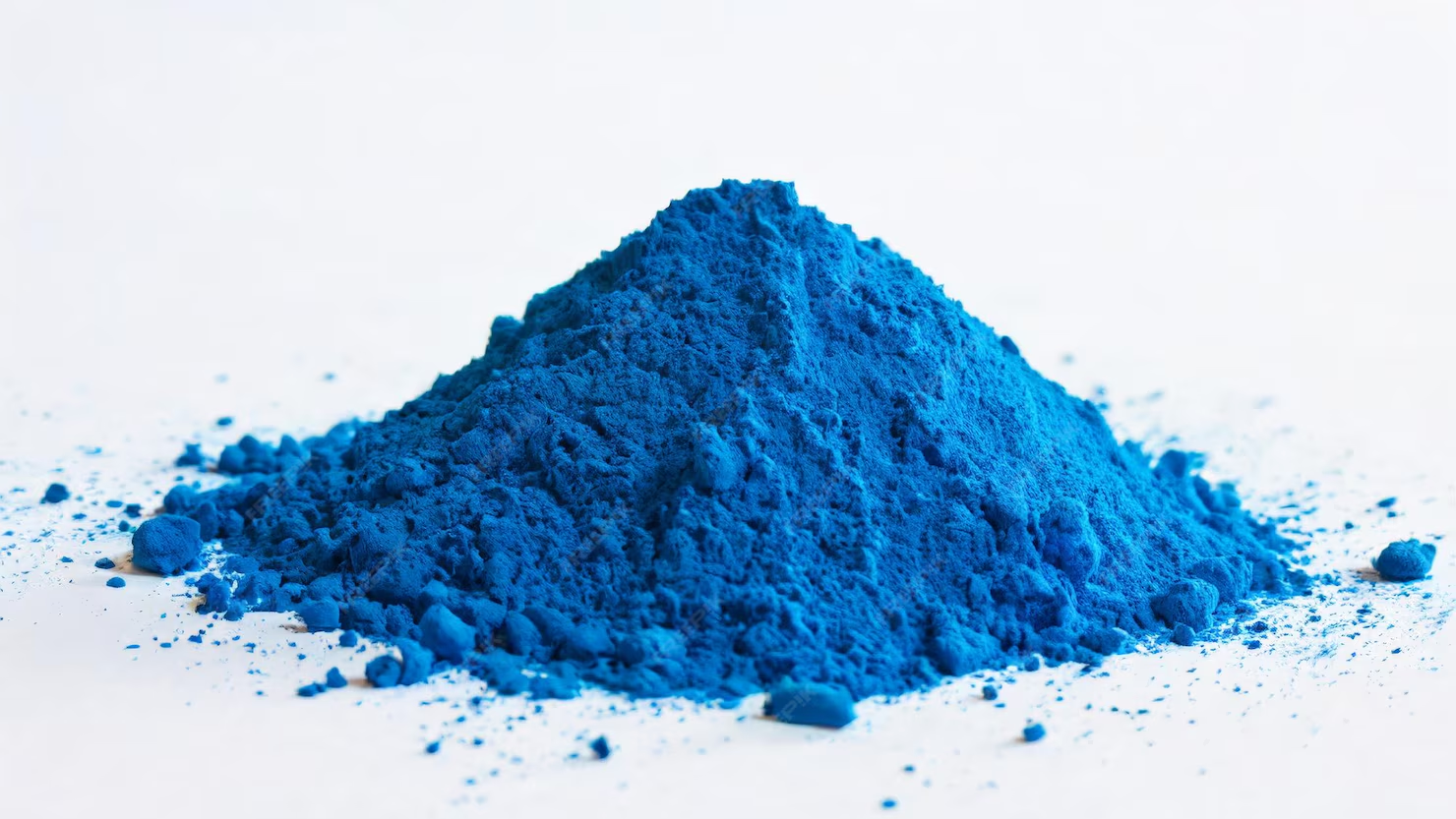
Blue spirulina — more precisely its blue pigment phycocyanin — has become a favorite secret weapon for food & beverage startups that want to grab attention on shelves, menus and social feeds. Below I explain what phycocyanin is, why it’s useful (and tricky), plus concrete ways startups are leveraging it to win customers and press.
What is phycocyanin — short and useful
Phycocyanin is a water-soluble blue pigment-protein extracted from cyanobacteria such as Arthrospira (spirulina). Besides producing an intense, Instagram-friendly blue, it’s also studied for antioxidant and anti-inflammatory activity — which lets brands combine “visual wow” with functional / clean-label claims.
Why startups love it (three big reasons)
Blue is rare in natural foods. A brilliant natural blue draws instant attention in confectionery, drinks, frozen desserts and more — which helps small brands compete for visual real estate. Startups market that rarity as a differentiator.
Clean-label demand. Consumers are avoiding synthetic dyes; phycocyanin lets brands replace artificial blues and call out “natural” or “spirulina-derived” on the label. Market analyses show phycocyanin is a fast-growing subsegment of spirulina ingredients.
Functional marketing. Because phycocyanin has measurable bioactivity in lab studies, brands can pair aesthetics with nutritional positioning (antioxidant, immune-friendly messaging) — carefully, and within regulatory rules.
Real startup use cases (how the creative work gets done)
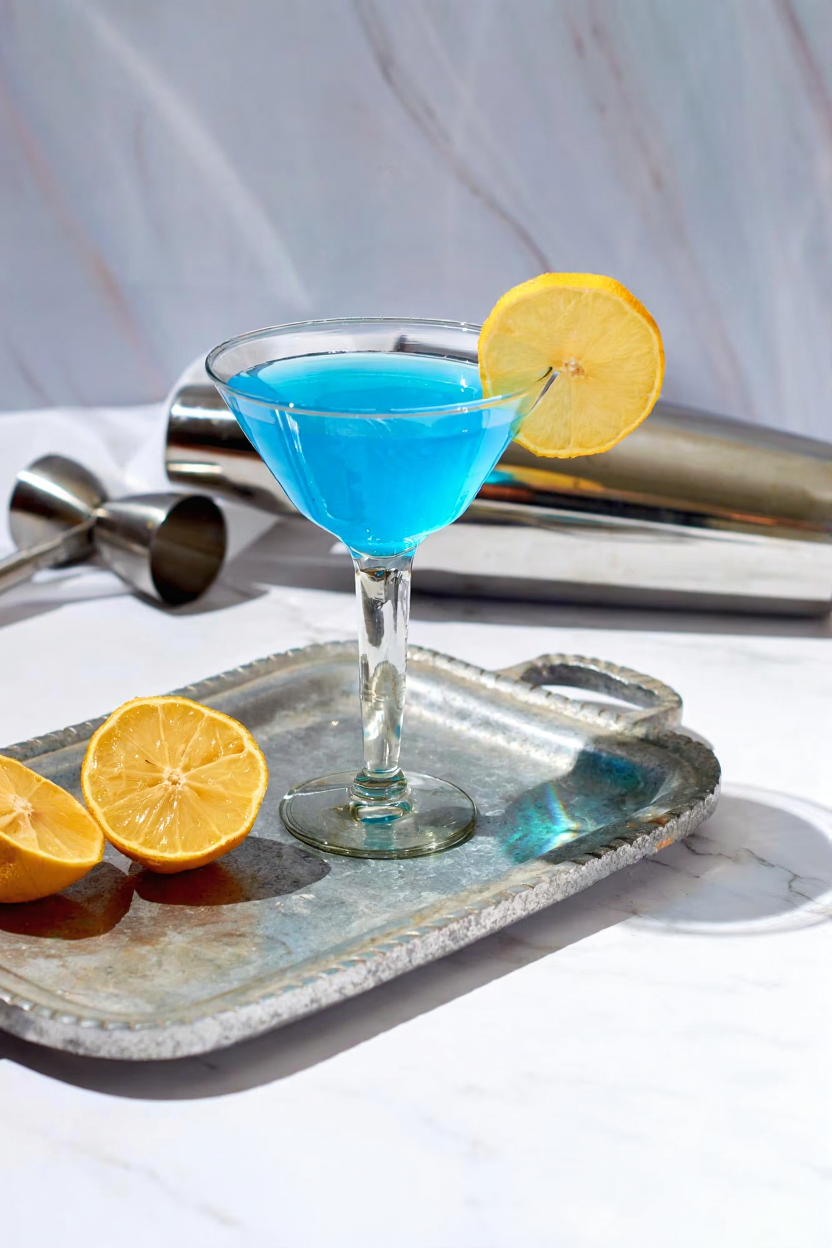
Drinks & beverages. Foodtech firms have developed heat-stable phycocyanin colorants suitable for both hot and cold drinks, letting cafés and beverage startups offer bright blue lattes, teas and sodas. One early example is Gavan, which promoted a heat-stable spirulina blue for drinks.
Craft beers & novelty brews. Small breweries have collaborated with spirulina producers to make limited-run blue beers that sold out quickly — a viral PR play that also introduces spirulina to mainstream consumers.
Frozen desserts, ice pops & confectionery. Startups pushing playful, colorful menus use phycocyanin for eye-catching ice creams, popsicles and icings where bright color matters. Suppliers and ingredient brands now offer spirulina-based color blends marketed specifically for these categories.
Functional shots & supplements. Since phycocyanin can be presented as a nutraceutical ingredient, some small brands produce single-serve functional drinks or powdered mixes that emphasize both color and antioxidant content.
Challenges startups must handle — and how they solve them
Stability (heat, pH, light): Phycocyanin is sensitive to heat, pH and UV, which can cause fading or color shift. Startups work with ingredient partners (or proprietary extraction/stabilization methods) to make formulations that hold color during processing and shelf life. Research and industry teams keep improving extraction and stabilization methods.
Cost & sourcing: High-purity phycocyanin is more expensive than synthetic dyes. Startups either (a) use it as a premium differentiator, (b) reserve it for limited/edit-drops, or (c) partner with specialized suppliers to secure better pricing and consistent quality. Market reports note phycocyanin as a higher-margin subsegment of the spirulina market.
Regulatory & labeling: Depending on market, phycocyanin may be approved as a natural food colorant but still requires correct labeling and sometimes purity documentation. Startups must verify approvals in target countries and keep supplier certificates on file. (Cities/countries vary — always check local rules.)
Global pricing and market outlook
Global market reports project steady CAGR in the mid-single digits to high-single digits for the 2024–2034 window, with market size forecasts differing by firm but pointing to continued growth driven by food & beverage and nutraceutical adoption. Expect demand to keep upward pressure on higher-purity grades. Volatility comes from feedstock supply shocks, energy/transport costs, and regulatory approvals in major import markets.
Marketing tactics that work for startups using phycocyanin
Limited-edition drops & collaborations. Launch a blue product in partnership with an ingredient grower or local maker — the novelty creates earned media (see blue beer example).
Behind-the-ingredient storytelling. Use short videos showing spirulina farms, the extraction process and the “why” behind choosing phycocyanin (sustainability, naturalness, functional benefits). Consumers love transparent sourcing.
Dual claims: beauty + function. Pair “natural blue” with evidence-based functional claims (e.g., antioxidant), but be careful not to overclaim — back up statements with supplier data and research citations.
Playful packaging & social hooks. Bright color + playful copy + a strong hashtag = social virality. For startups, a single striking image can do more to build brand awareness than broad distribution early on.
Bottom line — is it worth it for startups?
Yes — for many niche F&B startups, phycocyanin offers a high-impact way to stand out: it’s visually unique, aligns with clean-label trends, and supports functional positioning. But success depends on smart formulation, reliable sourcing, transparent claims, and a go-to-market plan that leverages the visual magic of blue. The ingredient is maturing fast (R&D on stability and extraction is active), so early adopters who get quality and messaging right can capture disproportionate attention.
