

Bright, electric blue food used to be the domain of neon candies and questionable gelatins. Enter phycocyanin — the natural blue extract from spirulina — and suddenly chefs are painting plates with a color that’s both otherworldly and undeniably photogenic. In this post we’ll explore how chefs are using phycocyanin to create Instagram-worthy dishes, while keeping flavor, texture and stability in mind.
What is phycocyanin — a quick primer
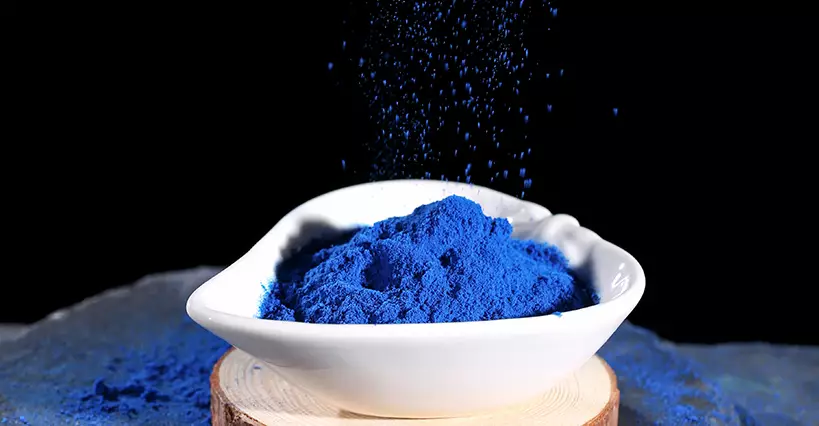
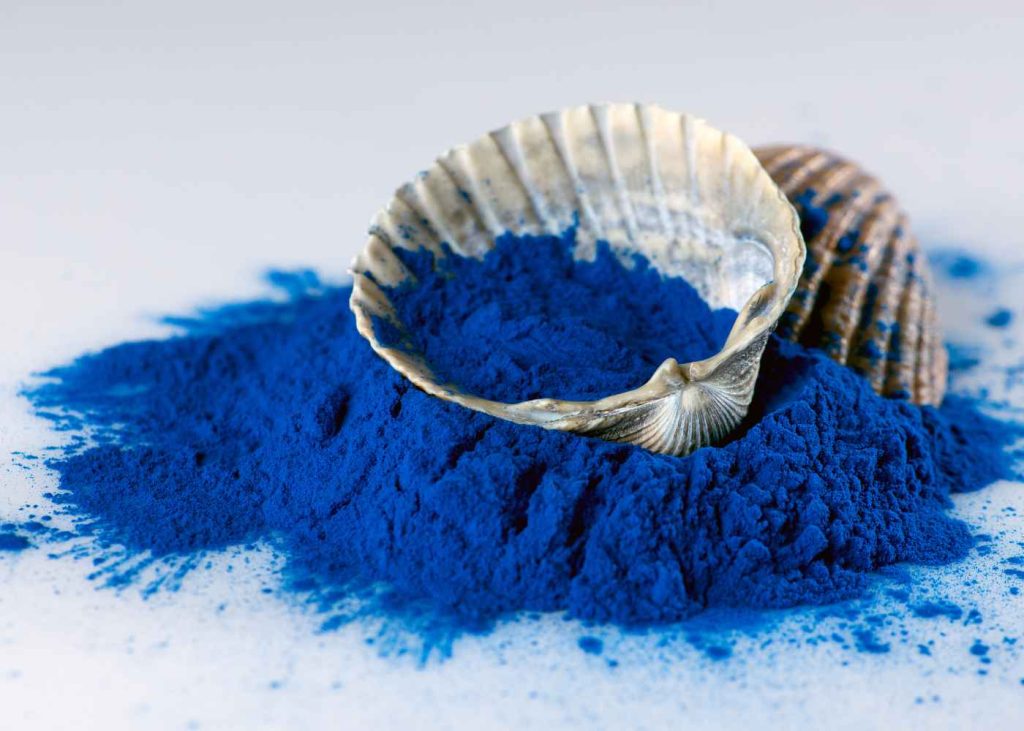
Phycocyanin is the water-soluble blue pigment found in certain microalgae (notably spirulina). Unlike synthetic food dyes, phycocyanin gives a clean, saturated blue that photographers and diners love. Because it’s a natural extract, chefs appreciate that it can be labeled as such on menus and fits well with contemporary moves toward cleaner, simpler ingredient lists.
Why chefs love the color
There’s no denying it: color sells on social platforms. A shock of vivid blue on a plate stands out in a feed and invites a double-tap. But beyond pure aesthetics, phycocyanin is versatile — it can tint creams, gels, batters and drinks without adding gritty texture or strong off-flavors when used correctly. That makes it far more useful in a professional kitchen than whole spirulina powder, which can be green and vegetal.
Where phycocyanin shows up on modern menus
Chefs are using phycocyanin across the menu spectrum:
Pastry & desserts: Blue custards, panna cottas, macarons, glazes and mirror-gloss tarts. The pigment disperses well in dairy, producing silky blues ideal for minimalist plating.
Cocktails & mocktails: Shimmery blue cocktails, blue milk punch, and layered drinks. Because the pigment is water-soluble, it blends evenly in shaken or stirred drinks.
Savory sauces & foams: Lightly colored aiolis, herb emulsions, and espuma. When balanced with acidic elements, the color brightens without compromising taste.
Breads & batters: From blue-hued doughs to pancake batters and tempura batters (used sparingly), phycocyanin creates surprising, shareable bites.
Ice creams & frozen treats: Vivid blues that photograph beautifully and retain color when frozen.
Practical tips chefs follow when using phycocyanin
Using a pigment beautifully on the plate is as much technique as it is ingredient. Here are practical rules chefs use:
Use a concentrated liquid or powder designed for culinary use. Food-grade phycocyanin is formulated for consistent color and fewer unwanted flavors.
Start small. A little pigment goes a long way; add gradually to reach the desired shade.
Mind the medium. Phycocyanin performs best in water-based or dairy systems. It can fade in high heat or in strongly acidic environments, so apply it after cooking when possible.
Stabilize when necessary. For long service periods, chefs may combine phycocyanin with stabilizers (e.g., gums or starches) or use it in refrigerated elements rather than warm sauces.
Avoid metal contact. Some metals can alter the pigment’s hue; use non-reactive utensils when mixing or plating.
Balance flavor. Phycocyanin is mostly neutral, but the blue visual often suggests sweeter profiles — chefs pair it with citrus, coconut, vanilla, white chocolate, or mild cheeses to match diners’ expectations.
Styling and plating for the camera
A blue element looks spectacular with the right contrast and negative space. Pro tips:
Pair with warm tones. Golds, caramel browns, and burnt oranges make the blue pop.
Use matte plates. Glossy plates can create distracting reflections; matte surfaces give the blue pigment a clean visual anchor.
Create gradients or washes. A diluted brush stroke of blue under a seared scallop or a smear beside a dessert gives dynamic movement in photos.
Add textural contrast. Crumbles, toasted nuts, or micro-greens help the image feel layered and appetizing.
Think vertical. Heighted elements (tuile, spun sugar, layered macaron towers) catch light differently and read well in portraits.
Safety, labeling and guest expectations
When using phycocyanin, reputable chefs source food-grade extracts and label menu items when necessary (e.g., “blueberry-inspired cream (phycocyanin)”) to inform guests with allergies or dietary concerns. While phycocyanin is natural, never imply medicinal benefits — focus on the culinary and visual aspects.
Recipes & ideas to try (chef-friendly)
Blue Coconut Panna Cotta: Infuse panna cotta with a few drops of phycocyanin solution; serve with passionfruit gel for contrast.
Ocean-Blue Foam: Make a light lemon foam stabilized with soy lecithin and tint with phycocyanin — excellent with chilled ceviche.
Blue Velvet Macaron Shells: Use phycocyanin in the meringue for dramatic shells; fill with white chocolate ganache.
Blue Latte: Matcha-style latte using coconut milk, vanilla, and phycocyanin — a café favorite for social shares.
Final plating thought
Phycocyanin gives chefs a bold new brush to paint with. The key to truly Instagram-worthy plates isn’t just the color — it’s harmony. When the visual surprise of blue is supported by balanced flavor, good texture and clever plating, the result is both beautiful and delicious. Use phycocyanin thoughtfully, and your dishes won’t just photograph well — they’ll be remembered.
