
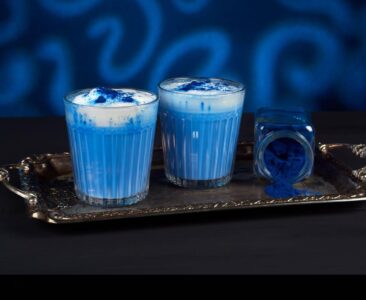
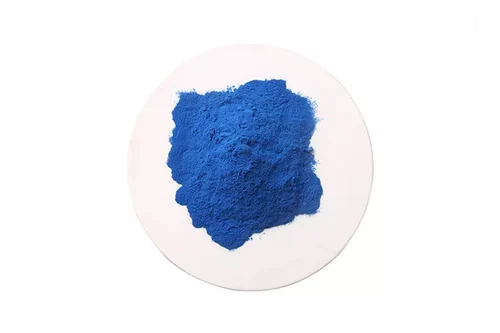
Blue spirulina extract — the vibrant, natural blue made from spirulina algae — has exploded from niche food-service use into mainstream product development. At the heart of that blue is Phycocyanin, a water-soluble pigment-protein that gives the extract its electric hue and carries functional benefits beyond color alone. For brands aiming to deliver clean-label credentials, traceable sourcing, and on-trend visuals, blue spirulina (and specifically Phycocyanin) is a powerful ingredient. Here’s how teams can use it strategically — from formulation to marketing.
Why Phycocyanin matters for clean-label positioning
Consumers equate “clean label” with short ingredient lists, recognizable names, plant-based origins, and minimal processing. Phycocyanin checks a lot of those boxes: It’s plant-based and can be listed as “blue spirulina extract” or “phycocyanin (spirulina)”, which reads better on labels than synthetic names or FD&C dyes. It’s water-soluble, enabling use in beverages and many aqueous systems without emulsifiers or stabilizers in small concentrations. It offers antioxidant activity and protein content — functional claims that can support premium positioning when backed by testing.
Product categories that benefit most
Not every product is a match, but Phycocyanin thrives in several clean-label categories:
Functional beverages: smoothies, juices, plant-based milks, and adaptogenic elixirs. The pigment disperses well and creates immediate visual differentiation.
Dairy and dairy-alternatives: yogurts, puddings, and lassis — where blue swirls or layered presentations are trending.
Confectionery & frozen desserts: ice creams, sorbets, gummies (with careful use), and marshmallows.
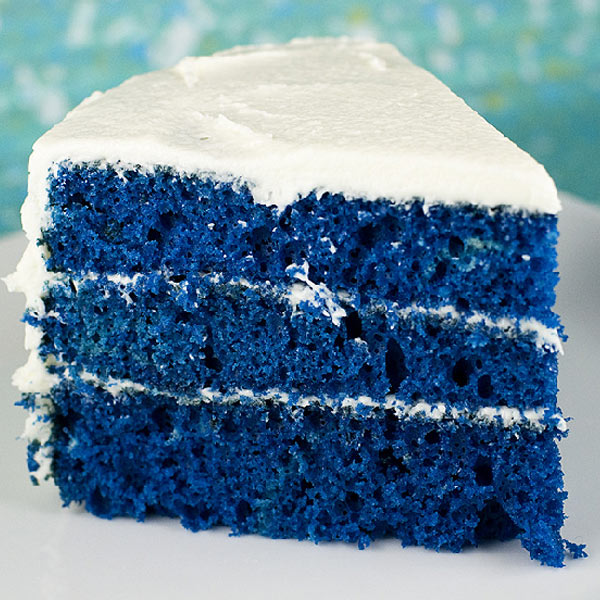
Bakery and glazes: icings and glazes where color stability can be managed.
Cosmetic-adjacent consumables: lip balms, toothpastes (for novelty/limited editions), and bath-safe products — though cosmetic claims require separate compliance.
Savory applications (limited): dressings and dips where color embraces a novelty angle.
Formulation tips — make the blue perform
Phycocyanin is wonderful but has quirks. Keep these formulation tips in mind:
pH sensitivity: Phycocyanin is most stable in neutral to slightly alkaline conditions. At low pH (acidic beverages), the blue can shift toward greenish or fade. Use buffering systems or pair with ingredients that raise pH slightly when product concept allows.
Light & heat sensitivity: The pigment degrades with prolonged heat and UV exposure. Reduce thermal processing intensity when possible, use opaque or UV-protective packaging, and avoid long high-temperature holds.
Interaction with minerals and metals: Iron and copper can destabilize color. Consider chelators (clean-label options exist) or minimize metallic contamination in process equipment.
Concentration & hue control: Phycocyanin produces different shades at different doses — from pastel to vivid. Run small bench trials to dial in the precise concentration for the target shade without compromising flavor or cost.
Taste impact: Spirulina can bring a subtle marine/earthy note at higher doses. Masking strategies include citruses, botanicals, or leveraging it in strongly flavored formulations (e.g., berry blends) where the palette complements the pigment.
Sourcing and quality — what to look for
For a credible clean-label claim you need traceable, high-quality Phycocyanin:
Purity grades: Higher purity extracts (often quantified by absorbance ratios like A620/A280) yield brighter color and less off-flavor. Use food-grade Phycocyanin from reputable suppliers.
Supply chain transparency: Look for suppliers that provide cultivation details (open-pond vs controlled photobioreactor), extraction method (water extraction vs solvent), and certificates for heavy metals, microbial load, and residual solvents.
Sustainability: Certifications (organic, Fair-trade-adjacent claims where applicable, or explicit low-impact cultivation methods) strengthen brand storytelling.
Stability data: Request shelf-life and accelerated stability data for your intended matrix and packaging.
Regulatory & labeling considerations
Regulatory status varies by market:
In many regions, Phycocyanin from spirulina is accepted as a natural colorant for food and beverages, but local approvals can differ. Always confirm with regulatory counsel for claims and permitted uses in target markets.
Labeling can lean into clean-label friendliness: “Blue spirulina extract (Phycocyanin)” is both transparent and informative.
If you plan to promote antioxidant or protein benefits, ensure substantiation through lab tests and compliance with local health-claim rules.
Marketing: make the color a feature, not a gimmick
Blue spirulina’s visual punch is a marketing asset — but use it authentically:
Educate: Use packaging and digital channels to explain what Phycocyanin is and why it’s a cleaner alternative to synthetic dyes. Short, friendly copy works best: e.g., “Naturally blue from spirulina (Phycocyanin).”
Storytell the origin: Highlight cultivation, extraction, and sustainability to appeal to eco-minded shoppers.
Show usage moments: Share recipes, color-swirl photos, and influencer content showing the product in use (Instagram reels, TikTok demos).
Limited editions & collaborations: Launch seasonal flavors or co-branded items to create urgency while testing consumer appetite.
Transparency seals: Add icons for “Plant-based,” “No synthetic colors,” or “Clean label” — but avoid overclaiming.
Commercial considerations
Cost vs. impact: Phycocyanin is pricier than synthetics; use it where color differentiates value (premium beverages, limited-edition SKUs).
Batch consistency: Work closely with suppliers to manage pigment lot variability that can change the hue between batches.
Packaging: Light-blocking bottles, laminated pouches, or UV-coated labels protect color and extend shelf life.
Quick product ideas to test
A “Blue Sunrise” functional smoothie with citrus and adaptogens, labeled “Naturally blue with Phycocyanin.”
Limited-edition blue-swirl yogurt with berry compote (masking any marine notes).
Clean-label blue lemonade for summer, using pH buffering to preserve color.
Novelty ice cream (e.g., cardamom-blue spirulina) with strong flavor to balance spirulina notes.
Final thoughts
Phycocyanin gives brands an elegant way to pair on-trend, eye-catching design with genuine clean-label credentials. The key is to respect the ingredient’s technical needs — pH, light, and heat sensitivity — while building honest storytelling around origin and functionality. When brands design products with both formulation and marketing aligned, blue spirulina becomes more than a color; it becomes a brand differentiator that signals transparency, plant-based innovation, and modern craftsmanship.
