
India as a Global Supplier
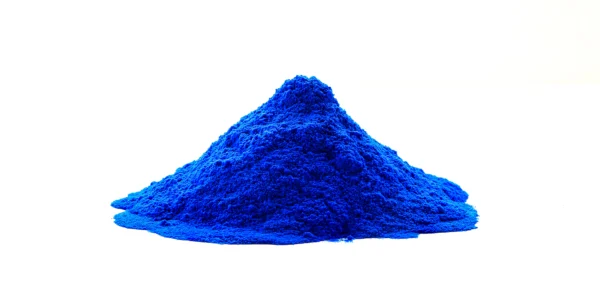
India has emerged as a significant player in the global nutraceutical and natural health products market, and blue spirulina is no exception. Known for its rich biodiversity and favorable climatic conditions, the country offers an ideal environment for large-scale cultivation of spirulina. Over the past decade, Indian manufacturers have invested heavily in advanced cultivation, extraction, and quality control technologies, enabling them to meet international standards consistently. Today, India not only caters to domestic demand but also serves as a reliable supplier for markets across North America, Europe, and Asia. With certifications such as ISO, GMP, and organic standards, Indian blue spirulina manufacturers have strengthened their credibility, ensuring both purity and sustainability. This positions India as a key hub for high-quality blue spirulina, supporting the growing global demand for natural food colorants, nutraceuticals, and cosmetic applications.
Key Export Destinations
Indian blue spirulina manufacturers have successfully tapped into multiple international markets, establishing a strong presence across continents. The key export destinations include: North America – The United States and Canada represent some of the largest markets for blue spirulina, driven by the growing demand for natural food colorants, dietary supplements, and clean-label products. Indian manufacturers cater to both B2B clients, such as food and beverage companies, and retail brands offering spirulina-based products. Europe – Countries like Germany, the United Kingdom, France, and the Netherlands are significant importers. European buyers prioritize quality, sustainability, and certifications such as organic and ISO standards, areas where Indian manufacturers have increasingly excelled.
Export Quality Standards
For Indian blue spirulina manufacturers to compete in the global market, adhering to strict export quality standards is essential. International buyers demand products that meet rigorous safety, purity, and consistency benchmarks. Key standards followed by Indian manufacturers include ISO 22000 for food safety management, GMP (Good Manufacturing Practices) certifications, and HACCP (Hazard Analysis and Critical Control Points) compliance.
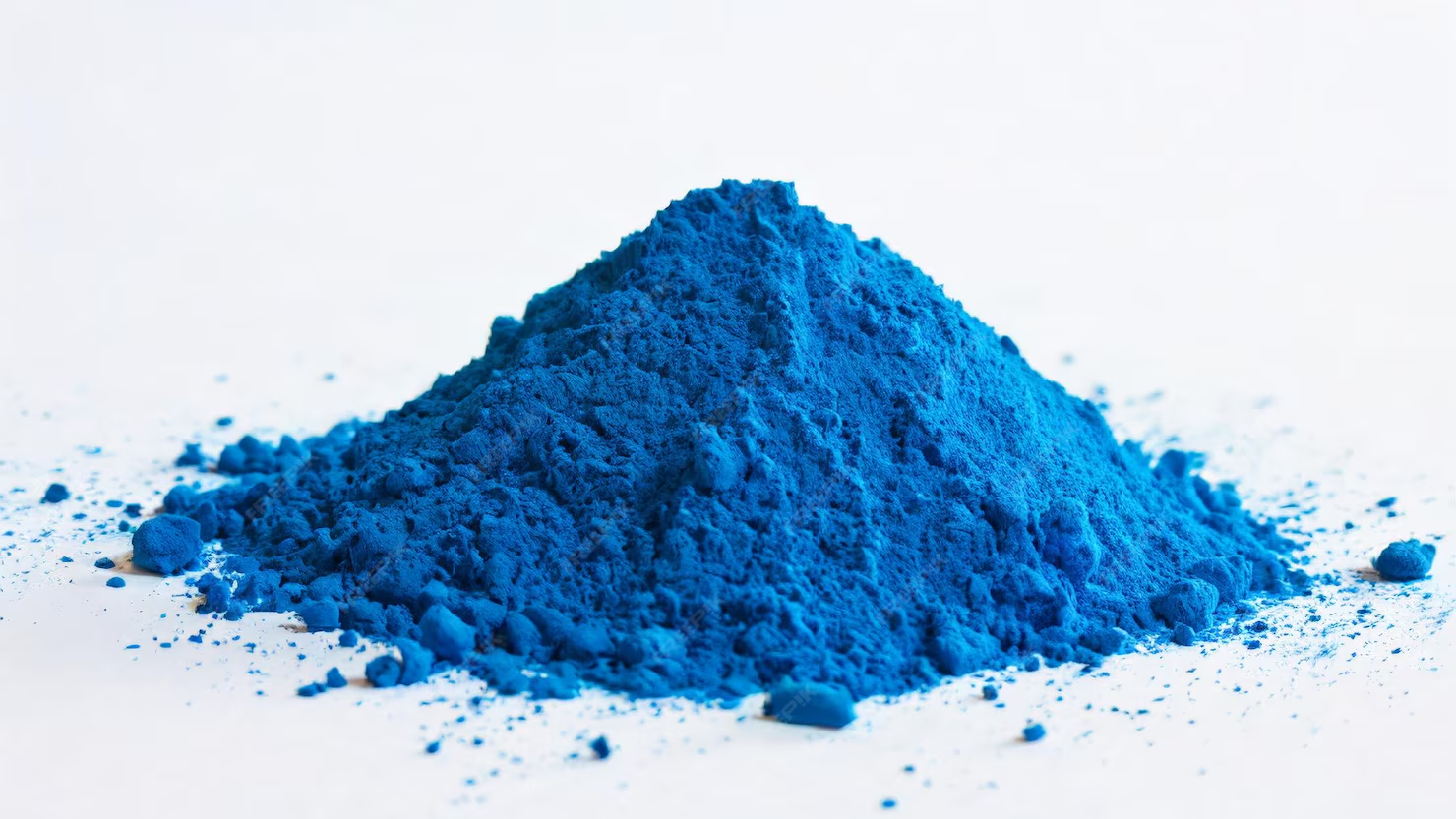
In addition, many exporters ensure their blue spirulina is organic-certified and free from contaminants such as heavy metals, pesticides, and microbial impurities, which is critical for markets like the United States, the European Union, and Japan. Standardized extraction methods are also employed to maintain high phycocyanin purity, the active blue pigment that defines the product’s quality and commercial value.
Compliance Documentation
Exporting blue spirulina from India requires strict adherence to both domestic and international regulatory standards. Manufacturers must ensure that their products comply with food safety, quality, and environmental guidelines to gain access to global markets. Key compliance documentation includes:
FSSAI Certification: The Food Safety and Standards Authority of India (FSSAI) ensures that spirulina products meet safety and quality standards before they are allowed for consumption domestically or abroad.
ISO and GMP Certifications: International buyers often require ISO (International Organization for Standardization) and GMP (Good Manufacturing Practices) certifications. These attest to consistent quality, hygiene, and manufacturing standards.
Packaging for International Shipping
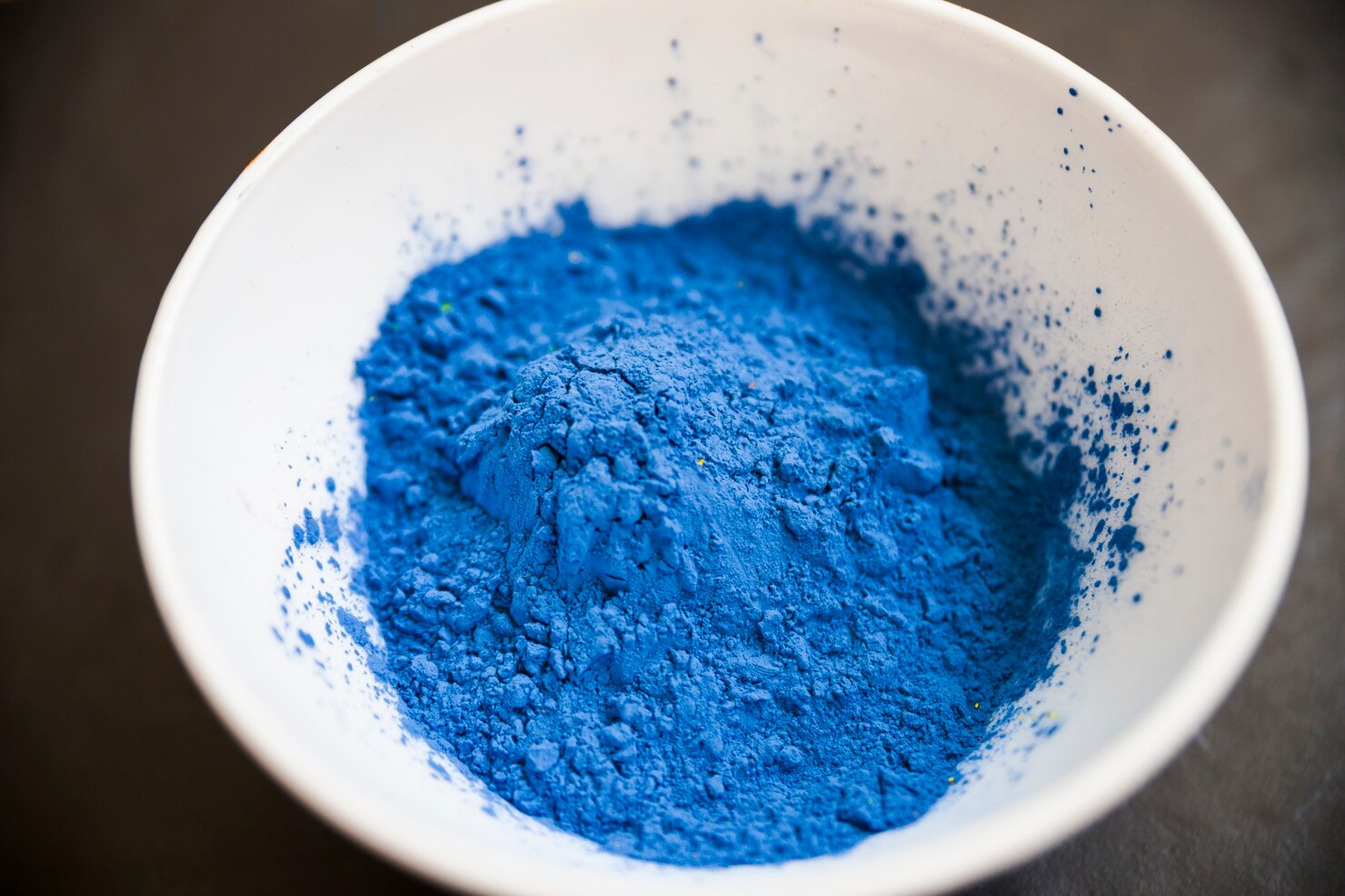
For Indian blue spirulina manufacturers, effective packaging is a critical component of international exports. Blue spirulina, being a delicate natural pigment, requires packaging that preserves its color, potency, and nutritional value during long transit periods. Manufacturers typically use airtight, moisture-proof, and light-resistant packaging materials, such as high-quality laminated pouches or food-grade HDPE containers, to prevent degradation caused by exposure to air, humidity, or sunlight.
In addition to protection, compliance with international standards is crucial. Packaging must meet food safety regulations and labeling requirements of target countries, including batch numbers, manufacturing and expiry dates, and nutritional information. Many manufacturers also adopt eco-friendly packaging solutions, reflecting the growing global emphasis on sustainability.
Private Label Export Services
One of the key strengths of Indian blue spirulina manufacturers is their comprehensive private label export services. These services allow international brands and businesses to market high-quality blue spirulina under their own brand name, without the need to invest in cultivation or processing infrastructure. Indian manufacturers offer end-to-end solutions—from sourcing premium spirulina, processing and extracting phycocyanin, to packaging and labeling according to client specifications.
Additionally, these private label services often include compliance with international quality standards such as ISO, GMP, and organic certifications, ensuring that the products meet regulatory requirements in target markets. Flexible order quantities, customizable packaging, and timely delivery further enhance the appeal for global buyers. As a result, Indian manufacturers not only expand their export footprint but also empower international brands to tap into the rapidly growing nutraceutical, food, and cosmetic industries with minimal operational overhead.
MOQ for Export Orders
When it comes to exporting blue spirulina, manufacturers in India often set a Minimum Order Quantity (MOQ) to streamline production, ensure cost efficiency, and maintain quality standards. The MOQ typically varies depending on the manufacturer, product form (powder or extract), and the destination market. For bulk powdered blue spirulina, the MOQ may start from 50–100 kilograms, while specialized high-purity extracts might require a higher minimum, often 100–200 kilograms per shipment. Setting an MOQ helps manufacturers optimize logistics, manage storage, and ensure consistent quality across all exported batches. For international buyers, understanding MOQ requirements is essential for planning procurement, budgeting, and ensuring smooth collaboration with Indian suppliers.
Logistics & Shipping Methods
Efficient logistics and shipping are critical to ensuring that blue spirulina reaches global markets while maintaining its quality and potency. Indian manufacturers employ a range of transportation methods, tailored to the product’s sensitivity and the destination market. For domestic distribution, refrigerated trucks and climate-controlled storage facilities are commonly used to prevent degradation. For international shipments, air freight is preferred for its speed and reliability, particularly for high-value, perishable consignments. Sea freight is also utilized for bulk orders, with specialized insulated containers and temperature-controlled packaging ensuring the product remains stable during long transit times.
In addition to physical transportation, Indian exporters focus on meticulous documentation and compliance with international regulations, including FDA, EU, and FSSAI standards. Advanced tracking systems and partnerships with global logistics providers further enhance delivery reliability. By combining robust infrastructure with modern shipping practices, Indian blue spirulina manufacturers can consistently meet the expectations of global clients, ensuring timely and safe delivery of their premium products.
Manufacturing Infrastructure in India
India’s manufacturing infrastructure for blue spirulina and related phycocyanin extraction reflects a mix of traditional cultivation systems, emerging pilot projects, and increasingly formalized processing units designed to meet both domestic and international demand.
1. Cultivation Systems and Facilities
The backbone of blue spirulina production lies in its cultivation infrastructure, which typically comprises open ponds and, increasingly, more controlled systems like photobioreactors. Traditional open-raceway ponds remain widespread due to lower capital costs and suitability to India’s warm climate, but they require careful monitoring of pH, nutrient balance, and contamination control to ensure high-quality biomass. Photobioreactors and semi-closed systems, though costlier, are gaining interest for premium and export-grade production due to better control of growth conditions and purity.
2. Production and Processing Units
Prominent producers such as Parry Nutraceuticals have established vertically integrated production systems in India that manage cultivation, harvesting, drying, and downstream extraction of high-purity phycocyanin. These facilities often include food-grade filtration, controlled drying technologies, and quality assurance labs to maintain consistent product standards for nutraceutical and food-grade outputs.
Lead Time Management
Efficient lead time management is a critical factor for Indian blue spirulina manufacturers looking to maintain a competitive edge in the global market. Lead time refers to the period between receiving an order and delivering the final product to the customer. For export-focused manufacturers, this involves coordinating multiple processes—from cultivation and harvesting to extraction, quality testing, packaging, and shipment.
Indian manufacturers have increasingly adopted streamlined production schedules, automated monitoring systems, and real-time supply chain tracking to minimize delays. By forecasting demand accurately and maintaining adequate inventory levels, they can respond swiftly to international orders, even during peak seasons. Additionally, partnerships with reliable logistics and shipping providers ensure that blue spirulina reaches overseas buyers on time, preserving its potency and color quality.
Effective lead time management not only enhances customer satisfaction but also strengthens India’s reputation as a dependable supplier of premium blue spirulina, capable of meeting stringent global timelines without compromising on quality.
Currency & Payment Terms
When exporting blue spirulina, understanding currency preferences and payment terms is crucial for smooth international transactions. Indian manufacturers typically conduct exports in major global currencies such as US Dollars (USD), Euros (EUR), and British Pounds (GBP), ensuring ease of trade with international buyers. Payment terms are often negotiated based on the buyer’s location, order size, and business relationship, with common methods including Advance Payment (T/T), Letter of Credit (LC), and Documentary Collections (D/P or D/A).
Most reputable manufacturers prioritize secure and transparent payment structures to build trust with global partners. For first-time buyers, advance payment or partial advance is standard, while repeat clients may benefit from flexible credit terms. Additionally, Indian exporters are well-versed in complying with international trade regulations, currency conversion requirements, and banking procedures, minimizing risks for overseas clients. By offering clear and reliable payment terms, Indian blue spirulina manufacturers enhance their competitiveness in the global nutraceutical market.
Export Challenges & Solutions
While India has positioned itself as a reliable global supplier of blue spirulina, manufacturers often face several challenges when exporting this niche product. One of the primary obstacles is strict international quality and safety standards. Countries like the US, EU nations, and Japan have rigorous regulations regarding contaminants, heavy metals, and microbial content. Ensuring compliance often requires substantial investment in testing, certifications, and traceability systems.
Another challenge is logistics and shelf-life management. Blue spirulina is highly sensitive to heat, light, and moisture, which makes transportation and storage critical. Maintaining product integrity during long international shipments can be complex, especially for bulk orders.
Market competition also poses a hurdle. India competes with established producers from the US, China, and Thailand, making differentiation on quality, purity, and sustainability essential.
