

The world of color is changing. Manufacturers are increasingly swapping synthetic dyes for natural, renewable pigments that are safer for workers, kinder to ecosystems, and more appealing to eco-conscious consumers. Among these options, Blue spirulina extract — often marketed simply as Blue spirulina extract — has emerged as a practical, attractive, and sustainable blue pigment for a wide range of applications. This post explains what Blue spirulina extract is, why it matters for sustainable manufacturing, real-world use cases, and practical considerations for companies thinking of making the switch.
What is Blue spirulina extract?
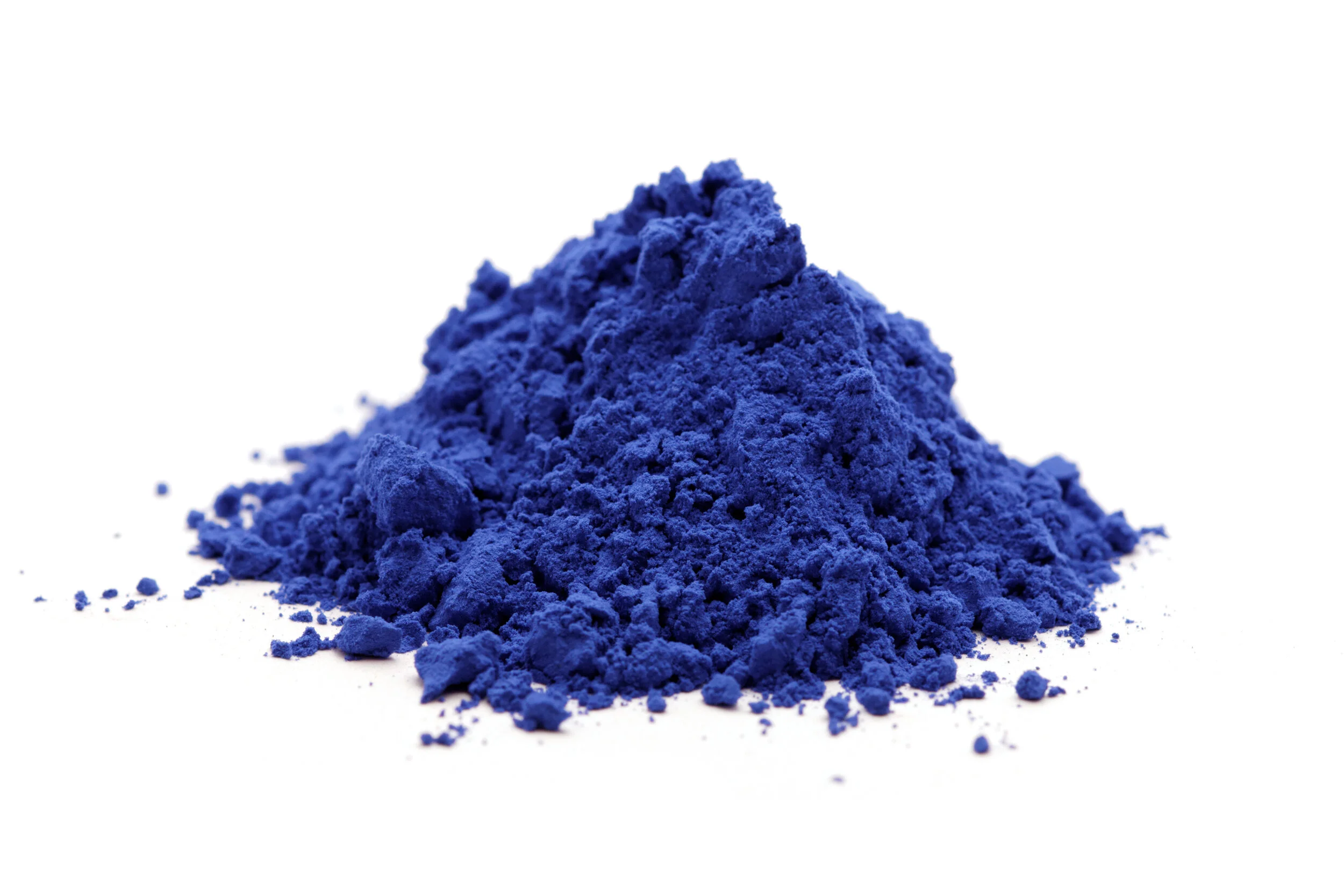
Blue Extract refers to the concentrated pigment derived from blue-green microalgae (commonly Arthrospira platensis), widely known as spirulina. Unlike synthetic azo or anthraquinone dyes, this pigment is produced biologically — extracted and stabilized from biomass — yielding a vivid, natural blue without the toxic byproducts associated with many synthetic routes.
Why manufacturers are choosing Blue spirulina extract
Lower environmental footprint
Spirulina can be cultivated in controlled facilities using less land than crops and with high biomass yield per area. The cultivation often uses closed or semi-closed systems that optimize water use and reduce contamination risk. Compared to petrochemical-derived dyes, Blue spirulina extract can offer a measurable reduction in embodied carbon, especially when farms use renewable energy and water-recycling practices.Non-toxic and biodegradable
Blue spirulina extract is inherently biodegradable and generally recognized as safe for food, cosmetics, and textiles when processed to appropriate standards. This makes it attractive for industries where product safety and end-of-life biodegradability matter.Consumer demand & labeling advantages
Natural, “clean-label” pigments are a major marketing advantage. Products colored with Blue spirulina extract can be promoted as containing natural colorants, appealing to conscious consumers and often meeting organic or natural-product certification criteria more readily than synthetic dyes.Improved worker safety
Many synthetic dyes require hazardous solvents, heavy metal mordants, or reducing agents. Blue spirulina extract biological origin reduces exposure to those chemicals in manufacturing and dyeing facilities.
Practical applications across industries
Food & Beverage: Blue spirulina extract is used in beverages, confections, dairy products, and nutritional supplements where a natural blue is desired (subject to regulatory approvals in target markets).
Cosmetics & Personal Care: Lip balms, eyeshadows, creams, and shampoos can use Blue spirulina extract for a vivid, natural blue tone that resonates with eco-friendly branding.
Textiles: While natural pigments traditionally struggle with washfastness, modern stabilization techniques and appropriate mordants allow Blue spirulina extract to work in fashion and home textiles — especially in products emphasizing sustainability.
Plastics & Coatings: For biodegradable plastics and specialized coatings where non-toxicity is essential, Blue spirulina extract provides a visually striking option.
Printing & Paper: Specialty stationery and packaging that highlights natural ingredients benefit from plant-based pigments.
Technical considerations for manufacturers
Stability & formulation: Blue spirulina extract can be sensitive to pH, light, and heat. Formulators mitigate this by microencapsulation, pH buffering, or using stabilizing co-pigments. These strategies extend shelf life and maintain color vibrancy in finished goods.
Compatibility: Test Blue spirulina extract in small pilot runs — compatibility varies with substrate (textile fiber, polymer matrix, or food formula). Adjust processing temperatures and binding agents as needed.
Concentration & cost: Natural pigments can need higher loading levels than synthetic dyes to achieve the same chroma, which affects cost. However, total lifecycle cost — accounting for waste treatment, regulatory compliance, and marketing value — can favor Blue spirulina extract.
Regulatory landscape: Food and cosmetic use are regulated differently across regions. Manufacturers must verify approvals (and allowable use levels) in target markets and keep documentation for traceability and claims (e.g., “natural color”).
Supply chain & sustainability best practices
Source transparency: Work with suppliers that provide third-party verification of biomass source, cultivation practices, and extraction methods.
Closed-loop processing: Favor extractors that recycle water and minimize solvent use (or use solvent-free extraction).
Local sourcing: When possible, source locally to reduce transport emissions and support regional economies.
Certifications: Look for suppliers with organic, fair-trade, or environmental certifications relevant to your market to strengthen product claims.
Challenges — and how to overcome them
Color fastness for textiles: Use modern fixation techniques and fastness-enhancing auxiliaries; focus Blue spirulina extracton niche or premium lines where naturalness outweighs absolute fastness.
Scale & cost variability: Partner with multiple suppliers or vertically integrate cultivation/extraction if consistent large-scale supply is critical. Investing in process optimization brings down costs over time.
Regulatory complexity: Maintain a regulatory map for each market and product category. Engage regulatory consultants early when launching food or cosmetic formulations.
Future outlook
R&D in microalgae cultivation, greener extraction technologies, and pigment stabilization is moving fast. As extraction yields and stability improve, Blue spirulina extract will become increasingly viable as a mainstream pigment across industries. Meanwhile, circular-economy thinking and consumer preference for transparency will continue to push manufacturers toward natural pigments.
Conclusion
Switching to Blue spirulina extract is not just a cosmetic change — it’s a strategic move toward safer factories, cleaner supply chains, and products that align with modern consumer values. While technical and regulatory challenges exist, they are solvable with careful formulation, reliable suppliers, and a commitment to sustainable practices. For manufacturers aiming to combine performance with responsibility, blue spirulina extract is a smart, contemporary choice that brings color and conscience together.
