
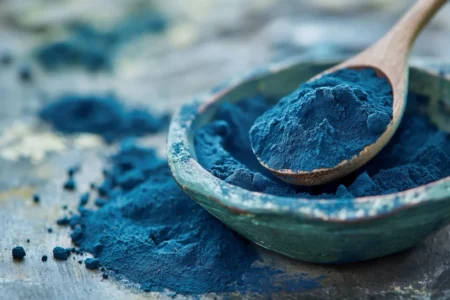
Comparative analysis of manufacturing standards globally.
The global demand for Phycocyanin / Blue Spirulina has surged in recent years due to its powerful antioxidant properties, natural coloring capabilities, and growing applications in nutraceuticals, cosmetics, and food industries. As the market expands, understanding the difference between Indian & international Blue Spirulina manufacturers becomes crucial for businesses, investors, and consumers alike.
A comparative analysis of manufacturing standards globally reveals variations in cultivation practices, extraction techniques, quality control measures, and regulatory compliance. Blue Spirulina manufacturers in India have made significant strides in adopting modern biotechnological processes, leveraging favorable climatic conditions, and offering cost-effective production. On the other hand, international manufacturers often emphasize stringent certifications, advanced automated extraction technologies, and scalability for large-scale exports.
Cost Advantage of Indian Manufacturers
One of the most compelling factors that set Blue Spirulina manufacturers in India apart on the global stage is their significant cost advantage. Producing high-quality Phycocyanin / Blue Spirulina involves specialized cultivation, extraction, and quality control processes, which can be capital-intensive. However, Indian manufacturers benefit from lower labor costs, favorable climatic conditions, and streamlined production practices that reduce overheads without compromising on quality. This cost efficiency enables Indian producers to offer competitive pricing in both domestic and international markets, making Blue Spirulina from India an attractive choice for health supplements, functional foods, and natural colorants. Moreover, the combination of affordability and adherence to stringent quality standards positions India as a growing hub for high-value Phycocyanin / Blue Spirulina, catering to the rising global demand.
Technology Comparison
Technology plays a critical role in determining the quality, efficiency, and scalability of Phycocyanin / Blue Spirulina production. When comparing Blue Spirulina manufacturers in India with their international counterparts, several key differences in technology and processes emerge.
Indian manufacturers have increasingly adopted modern cultivation systems, including open raceway ponds and controlled photobioreactors, which allow for higher yield and purity of Phycocyanin. Advanced filtration, drying techniques like spray drying and freeze-drying, and precision monitoring systems are now being implemented to ensure consistent product quality. These technological advancements enable Indian producers to compete with global standards while maintaining cost-effectiveness.
Purity Levels Offered
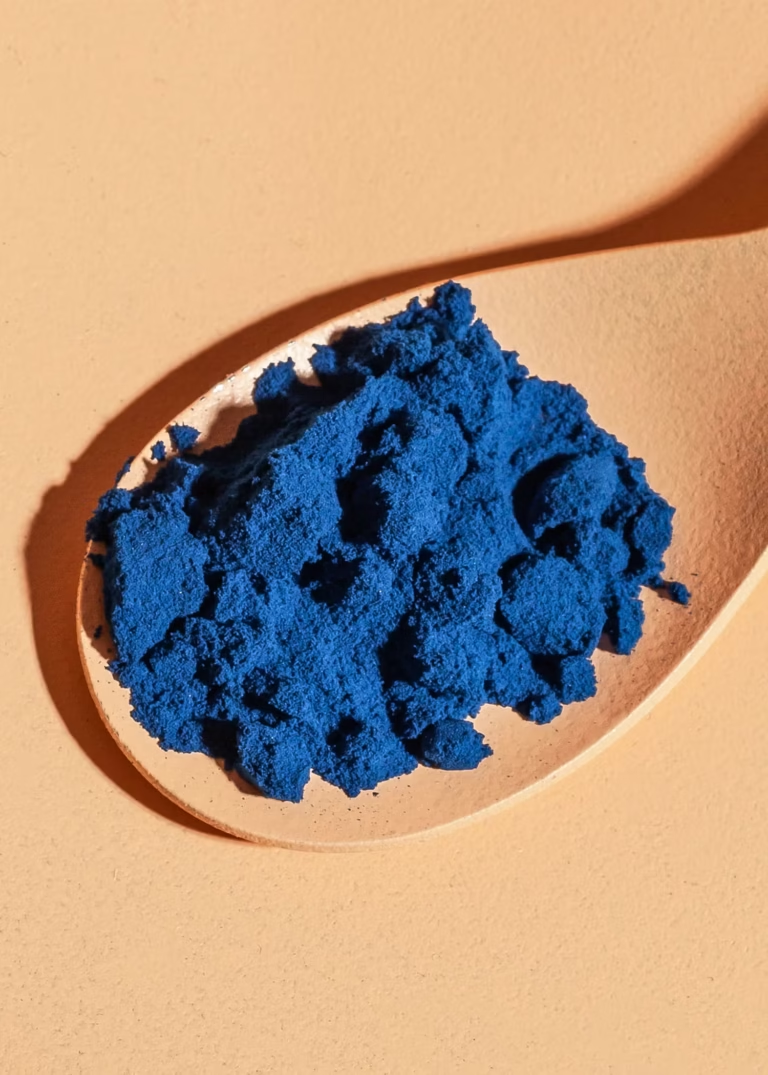
When it comes to Phycocyanin / Blue Spirulina, purity is one of the most critical factors determining its effectiveness, color intensity, and suitability for various applications. Blue Spirulina manufacturers in India are increasingly focusing on offering high-purity products to meet both domestic and international standards.
Indian manufacturers typically provide purity levels ranging from 10% to over 25%, depending on the extraction techniques and intended use—be it dietary supplements, beverages, or cosmetics. Advanced filtration and low-heat extraction methods help preserve the natural bioactive compounds while achieving higher concentrations of phycocyanin.
Certification Differences
In the rapidly growing Phycocyanin / Blue Spirulina market, certifications play a critical role in assuring product quality, safety, and compliance with international standards. Blue Spirulina manufacturers in India are increasingly obtaining certifications such as FSSAI, ISO, and organic approvals to meet both domestic and export requirements. These certifications ensure that cultivation, extraction, and packaging processes adhere to strict hygiene, purity, and traceability standards.
International manufacturers, on the other hand, often follow more stringent global certifications such as FDA approval, GMP (Good Manufacturing Practices), HACCP, and EU organic certifications. These standards focus not only on product safety but also on environmental sustainability, consistent potency, and large-scale industrial compliance.
Understanding these certification differences helps buyers and consumers evaluate the reliability of Phycocyanin / Blue Spirulina products, compare Indian offerings with global alternatives, and choose suppliers that align with quality and regulatory expectations.
Production Scale
The production scale of Phycocyanin / Blue Spirulina varies significantly between Indian and international manufacturers. Blue Spirulina manufacturers in India typically operate on a range of scales, from small boutique farms catering to niche health and wellness markets to large industrial setups designed for both domestic consumption and global exports.
Indian manufacturers benefit from abundant sunlight, low-cost labor, and fertile water resources, allowing them to cultivate Blue Spirulina efficiently while maintaining consistent quality. Many Indian facilities employ controlled open-pond systems, which are ideal for moderate-scale production, ensuring sustainable output without compromising nutrient potency.
R&D Support
Innovative R&D support is a cornerstone for companies looking to create high-quality Phycocyanin / Blue Spirulina products. Leading Blue Spirulina manufacturers in India invest heavily in research and development to optimize extraction methods, improve bioavailability, and develop customized formulations that meet diverse market demands. Through advanced laboratory testing, quality control, and formulation expertise, these manufacturers help brands bring scientifically-backed, safe, and effective nutraceutical products to consumers. Collaborating with manufacturers offering strong R&D capabilities ensures that your Blue Spirulina products stay ahead in terms of efficacy, stability, and market relevance.
Export Compliance
For Blue Spirulina manufacturers in India, adhering to international export compliance standards is crucial to ensure that high-quality Phycocyanin / Blue Spirulina reaches global markets safely and efficiently. Export regulations govern aspects such as product quality, purity, labeling, packaging, and documentation, which vary across countries.
Indian manufacturers have been steadily aligning their processes with global standards, obtaining certifications like GMP (Good Manufacturing Practices), ISO, and HACCP to meet the stringent demands of international buyers. Ensuring compliance not only facilitates smooth customs clearance but also strengthens the credibility of Phycocyanin / Blue Spirulina as a premium, reliable ingredient for nutraceuticals, functional foods, and cosmetics worldwide.
A strong export compliance framework positions Blue Spirulina manufacturers in India as trustworthy suppliers, capable of competing with international producers while contributing to the country’s growing share in the global market.
Labour & Infrastructure Advantage
One of the key strengths of Blue Spirulina manufacturers in India lies in the combination of skilled yet cost-effective labor and rapidly advancing infrastructure. Producing high-quality Phycocyanin / Blue Spirulina requires meticulous cultivation, harvesting, and extraction processes, all of which depend on both human expertise and technological support.
India’s workforce offers extensive experience in algal cultivation and bioprocessing at competitive costs, allowing manufacturers to maintain quality while keeping production economically viable. Simultaneously, improvements in processing facilities, cold chain logistics, and automation technologies provide Indian manufacturers with the infrastructure necessary to meet both domestic and international standards.
This synergy of labor proficiency and robust infrastructure not only enhances efficiency but also positions Blue Spirulina manufacturers in India as reliable and globally competitive suppliers of premium Phycocyanin / Blue Spirulina.
R&D Investment
Research and development (R&D) play a pivotal role in enhancing the quality, efficiency, and innovation of Phycocyanin / Blue Spirulina production. Among Blue Spirulina manufacturers in India, significant R&D investments are being directed towards improving cultivation methods, optimizing extraction processes, and ensuring higher purity and bioavailability of phycocyanin.
Indian manufacturers are increasingly adopting advanced biotechnological techniques, such as photobioreactor systems and strain optimization, to increase yield while maintaining cost efficiency. This focus on R&D not only helps meet domestic demand but also positions Indian companies competitively in the international market, where stringent quality and safety standards prevail.
Moreover, sustained R&D investment enables manufacturers to develop value-added products, such as powdered, liquid, and encapsulated forms of Phycocyanin / Blue Spirulina, catering to diverse applications in nutraceuticals, functional foods, and cosmetics. As a result, Blue Spirulina manufacturers in India are steadily emerging as innovators, contributing both to scientific advancement and market growth globally.
Global Market Share of Blue Spirulina
The global market for Phycocyanin / Blue Spirulina is witnessing rapid growth as demand rises across the food, beverage, nutraceutical, and cosmetic sectors. While several countries are entering the production space, Blue Spirulina manufacturers in India have emerged as key players, contributing significantly to the international supply due to cost-effective cultivation, advanced extraction techniques, and adherence to quality standards.
India’s favorable climatic conditions, coupled with technological advancements in spirulina farming and processing, have enabled Blue Spirulina manufacturers in India to capture a notable share of both domestic and export markets. Despite strong competition from established international producers, Indian manufacturers are increasingly recognized for delivering high-purity Phycocyanin / Blue Spirulina, meeting global certifications, and offering competitive pricing.
Competitive Positioning
In the rapidly growing global market for Phycocyanin / Blue Spirulina, understanding the competitive positioning of different producers is essential. Blue Spirulina manufacturers in India are increasingly establishing themselves as key players, leveraging a combination of cost-effective production, favorable climatic conditions, and technological advancements in cultivation and extraction.
Indian manufacturers are strategically positioning their products by emphasizing purity, organic cultivation, and adherence to international quality standards, making them attractive not only for domestic markets but also for exports. Comparatively, international producers often focus on advanced automation, large-scale production capacity, and comprehensive certifications to differentiate their products.
Analyzing these competitive factors provides valuable insights into how Phycocyanin / Blue Spirulina from India is gaining recognition globally, carving a niche in health, nutrition, and natural colorant industries, while highlighting the unique strengths of Indian manufacturers in a competitive international landscape.
