
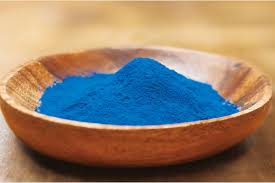
Blue spirulina extract is no longer a niche ingredient reserved for high-end foods, cosmetics, and specialty formulations. Thanks to a wave of technological innovations across cultivation, extraction, purification, and processing, manufacturers are driving down costs while improving quality and consistency. This transformation is making Blue spirulina extract—often derived from phycocyanin-rich sources like spirulina—more accessible to product developers and consumers. Here’s how smart engineering and process innovation are unlocking affordability.
The cost puzzle: where expenses come from
Before diving into solutions, it helps to understand the main cost drivers in producing Blue Extract: Raw biomass cost (cultivation, harvesting) Energy and utilities for extraction, concentration, and drying Solvents and consumables used in extraction and purification Capital expenses for specialized equipment Labor and process inefficiencies Downstream losses (low yield or low purity requiring rework) Innovations targeting any of these areas can meaningfully lower the per-kilogram cost of finished Blue Extract.
Upstream gains: smarter biomass production
Cheaper Blue spirulina extractstarts with cheaper, higher-quality biomass. Improvements include:
Optimized cultivation systems — closed photobioreactors and optimized open-pond designs raise biomass productivity per square meter, reducing land and time costs.
Strain selection and breeding — selecting high-phycocyanin strains and improving their robustness reduces variability and increases extractable yield.
Nutrient recycling and water management — closed-loop systems lower input costs and environmental footprint.
Higher and more consistent pigment content in the feedstock means less processing per unit of Blue spirulina extract produced.

Extraction breakthroughs that cut energy and solvent use
Traditional extraction techniques can be energy- and solvent-intensive. Newer approaches lower both operating costs and environmental impact:
Ultrasound-assisted extraction (UAE): Ultrasound waves disrupt cell walls and accelerate pigment release at lower temperatures and shorter times than conventional maceration, reducing energy use and increasing yield.
Microwave-assisted extraction (MAE): Microwaves heat the cellular matrix quickly and uniformly, shortening extraction times and improving recovery while enabling smaller processing equipment footprints.
Pulsed Electric Fields (PEF): PEF permeabilizes cells non-thermally, enabling high pigment release with minimal energy and no harsh solvents.
Enzymatic pre-treatment: Targeted enzymes break down specific cell-wall components, improving extraction efficiency and reducing the need for energy-intensive mechanical disruption.
These methods often pair well with water-based or low-toxicity solvent systems, cutting solvent purchasing and disposal costs.
Process intensification and continuous processing
Batch extraction is simple but inefficient at scale. Process intensification techniques that are lowering costs include:
Continuous-flow extraction systems that run longer, reduce downtime, and require smaller vessels for the same throughput.
Membrane-assisted concentration and diafiltration to concentrate Blue spirulina extract without energy-heavy evaporation steps.
Inline analytics and advanced process control (PAT) that optimize extraction parameters in real time—maximizing yield and preventing over-processing.
Continuous and intensified processes reduce labor, facility space, and energy per unit product—key levers for cost reduction.
Improved purification: high yield, low waste
Purification historically relies on chromatography and repeated precipitations that can be expensive. Cheaper alternatives and optimizations include:
Membrane chromatography and affinity membranes — lower solvent and resin consumption with easier scale-up.
Expanded-bed adsorption for direct capture from crude extracts, cutting clarification steps.
Zero-loss drying methods such as spray drying with optimized inlet/outlet profiles to preserve pigment and reduce time in the dryer.
Reducing losses during purification raises effective yield and spreads fixed costs across more sellable product.
Modular plants, contract manufacturing and co-product valorization
Capital cost is a major barrier. New business and plant models reduce CAPEX impact:
Modular, skid-mounted plants allow phased investment and faster deployment, reducing upfront capital needs.
Contract manufacturing & toll processing let producers buy capacity instead of building it, reducing financial risk.
Co-product strategies extract and sell proteins, lipids, or fertilizer-grade biomass fractions alongside Blue spirulina extract—improving overall economics of a production run.
These models make it financially feasible for smaller brands to access high-quality Blue spirulina extract without huge investments.
Digital and operational efficiencies
Digitization plays a quiet but powerful role:
Automation and robotics reduce labor costs and increase processing uptime.
Digital twins and simulation help optimize plant layouts, reduce bottlenecks, and shorten scale-up timelines.
Supply chain optimization cuts inventory carrying costs and ensures consistent raw-material flows.
Sustainability as cost-saving
Many sustainability measures also save money: energy-efficiency upgrades, solvent recycling, and water reuse all bring operating-cost reductions while improving regulatory and brand positioning.
What this means for buyers and formulators
As extraction technologies advance and producers adopt leaner processes, Blue spirulina extract becomes more price-competitive without sacrificing purity or stability. For formulators this means:
access to a wider range of price points and grades,
greater supply stability from diversified production models,
and better alignment of sustainability claims with economics.
Conclusion
The affordability of Blue spirulina extract is being reshaped by a suite of innovations across cultivation, extraction, purification, and plant design. By increasing raw-material productivity, reducing energy and solvent use, adopting continuous processing, and monetizing co-products, producers are driving down the true cost-per-unit. For brands and product developers, that translates into more choices, better margins, and broader creativity in using Blue spirulina extract across foods, cosmetics, and beyond.
