
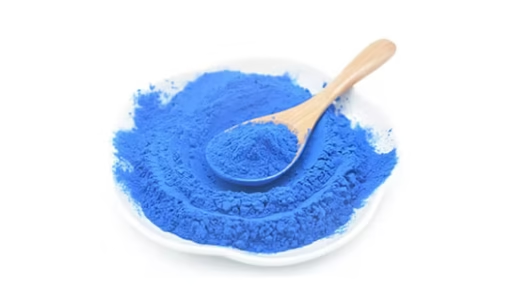
Avoiding Costly Procurement Errors
Sourcing Phycocyanin / Blue Spirulina from India has become increasingly popular due to the country’s strong manufacturing base, competitive pricing, and expanding export capabilities. Many global brands now turn to Blue Spirulina manufacturers in India for high-quality natural colorants and nutraceutical ingredients. However, while the opportunity is promising, buyers often make critical procurement mistakes that can lead to financial loss, regulatory issues, and compromised product quality.
One of the most common errors is prioritizing price over purity and stability. Not all Phycocyanin / Blue Spirulina products offer the same concentration levels, extraction methods, or shelf-life standards. Without verifying specifications such as phycocyanin content percentage, heavy metal limits, microbiological parameters, and moisture levels, buyers risk receiving substandard material that may not meet international compliance requirements.
Choosing Traders Over Manufacturers
When sourcing Phycocyanin / Blue Spirulina, one of the most common mistakes buyers make is choosing traders instead of working directly with Blue Spirulina manufacturers in India. While traders may offer quick quotes and seemingly competitive prices, this approach can often lead to quality inconsistencies, limited transparency, and higher long-term costs. Traders typically act as intermediaries between the buyer and the actual producer. This means buyers may not have full visibility into the manufacturing process, extraction methods, or raw material sourcing. Since Phycocyanin / Blue Spirulina is a sensitive natural pigment, factors such as cultivation conditions, extraction technology, and drying techniques significantly impact purity, color strength, and stability. Without direct communication with Blue Spirulina manufacturers in India, verifying these critical parameters becomes difficult.
Ignoring Quality Reports
One of the most critical mistakes buyers make when sourcing Phycocyanin / Blue Spirulina is ignoring or inadequately reviewing quality reports. While many Blue Spirulina manufacturers in India provide Certificates of Analysis (COA), test reports, and compliance documents, some buyers focus only on pricing and shipment timelines—overlooking the technical details that determine product performance and safety.
Quality reports are not just formal paperwork; they are proof of purity, potency, and compliance. For Phycocyanin / Blue Spirulina, essential parameters include phycocyanin content percentage, protein levels, moisture content, microbiological limits, heavy metal analysis, and absence of contaminants. Without verifying these values, buyers risk purchasing material that does not meet their formulation standards or regulatory requirements.
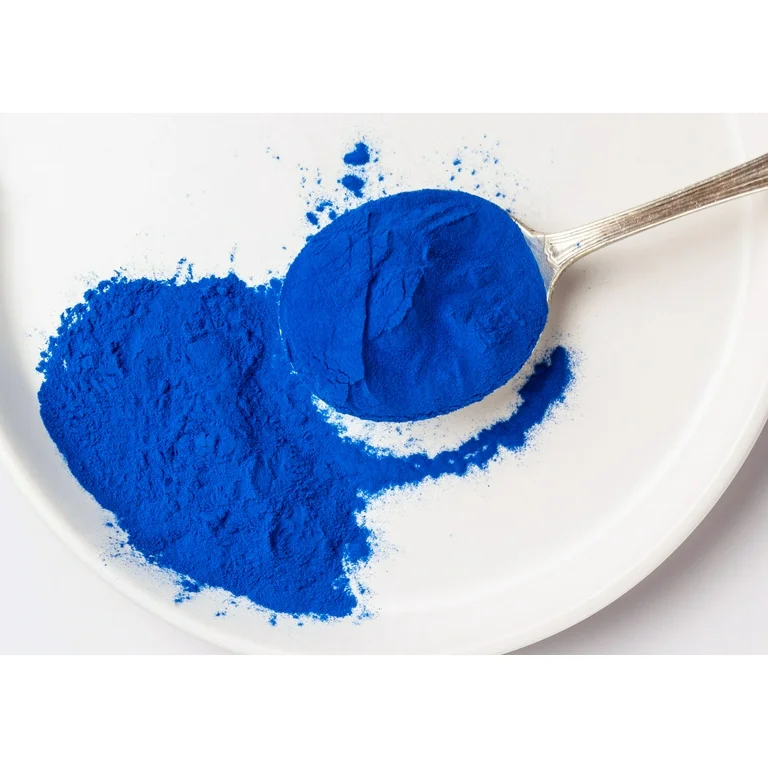
Focusing Only on Price
One of the biggest mistakes buyers make when sourcing Phycocyanin / Blue Spirulina is focusing solely on price. While competitive pricing is one of the key reasons companies approach Blue Spirulina manufacturers in India, choosing a supplier based only on the lowest quotation can lead to serious long-term losses.
Not all Phycocyanin / Blue Spirulina products are equal in purity, concentration, and stability. Some suppliers may offer lower prices by compromising on extraction methods, reducing phycocyanin content percentage, or skipping advanced filtration and purification processes. As a result, buyers may receive material with weaker color intensity, lower protein content, or reduced shelf life — directly affecting the performance of finished products.
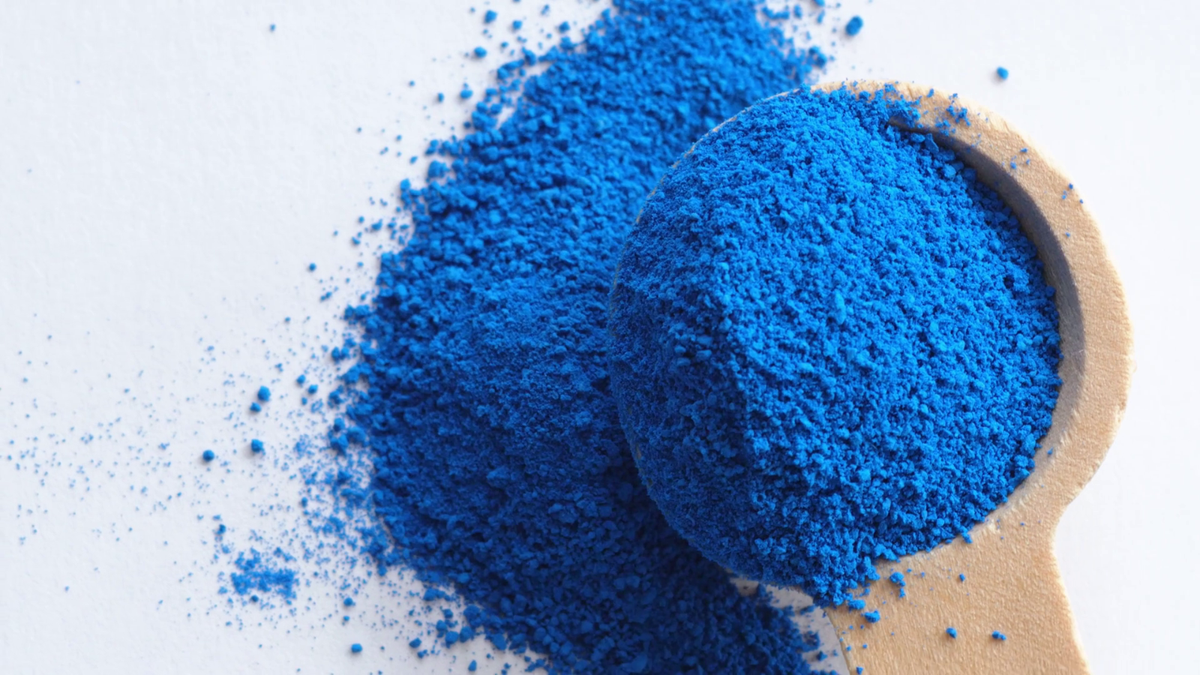
Skipping Factory Audits
One of the most critical mistakes buyers make when sourcing Phycocyanin / Blue Spirulina is skipping factory audits. While brochures, certifications, and lab reports may look impressive on paper, they cannot replace a direct evaluation of the production facility. When dealing with Blue Spirulina manufacturers in India, a factory audit is essential to verify operational standards, hygiene practices, and quality control systems.
Many buyers rely solely on third-party documents without confirming whether manufacturing processes are consistently followed. However, Phycocyanin / Blue Spirulina is a sensitive, high-value natural extract that requires controlled cultivation, careful extraction, and strict drying conditions. Without auditing the facility, buyers risk sourcing products produced under inconsistent environmental controls, which may affect color intensity, protein content, and stability.
Overlooking Stability Testing
One of the most critical yet commonly ignored mistakes when sourcing Phycocyanin / Blue Spirulina is overlooking proper stability testing. While many buyers focus on price, color intensity, and immediate purity levels, they often fail to evaluate how stable the ingredient remains over time under different environmental conditions. This oversight can lead to serious product performance issues, especially in food, beverage, cosmetic, and nutraceutical applications.
Phycocyanin / Blue Spirulina is a natural pigment-protein complex that is sensitive to heat, light, oxygen, and pH variations. Without validated stability data, the vibrant blue color can fade, lose potency, or degrade during storage and processing. This directly impacts product shelf life, consumer appeal, and brand credibility.
Underestimating MOQ & Lead Time
One of the most common sourcing mistakes buyers make when working with Blue Spirulina manufacturers in India is underestimating the importance of Minimum Order Quantity (MOQ) and lead time. While pricing and product specifications often receive primary attention, procurement planning can suffer when these operational factors are overlooked.
Most reputable Blue Spirulina manufacturers in India operate with defined MOQs based on production scale, extraction processes, and export logistics. Since Phycocyanin / Blue Spirulina extraction involves controlled cultivation, harvesting, filtration, and spray or freeze drying, production batches cannot always be adjusted instantly for small-volume buyers. Underestimating MOQ requirements may lead to unexpected cost increases, delays, or the need to switch suppliers at the last minute.
Misunderstanding Certifications
When sourcing Phycocyanin / Blue Spirulina, one of the most common and costly mistakes buyers make is misunderstanding or overlooking certifications. While many Blue Spirulina manufacturers in India highlight multiple certifications in their marketing materials, not all certifications guarantee the same level of compliance, safety, or international acceptance.
A frequent misconception is assuming that a general certification automatically covers all regulatory requirements. For example, a manufacturer may hold ISO certification, but that alone does not confirm compliance with food-grade safety standards, export regulations, or nutraceutical guidelines. Buyers must clearly differentiate between quality management certifications (such as ISO), food safety certifications (like HACCP or GMP), and region-specific regulatory approvals.
1. How can buyers avoid low-quality suppliers?
2. Is cheap spirulina always risky?
3. Should factory audits be mandatory?
4. What documents must be verified?
Certificate of Analysis (COA) for each batch
Microbiological test reports
Heavy metal analysis reports
Stability and shelf-life data
MSDS (Material Safety Data Sheet)
Non-GMO and allergen declarations
Export and regulatory compliance certifications
Reliable Blue Spirulina manufacturers in India will provide complete documentation to ensure Phycocyanin / Blue Spirulina meets international standards.
5. How to identify genuine manufacturers?
Have a registered production facility
Offer factory visit options or virtual audits
Provide detailed technical documentation
Demonstrate in-house extraction capabilities
Maintain consistent batch traceability
