

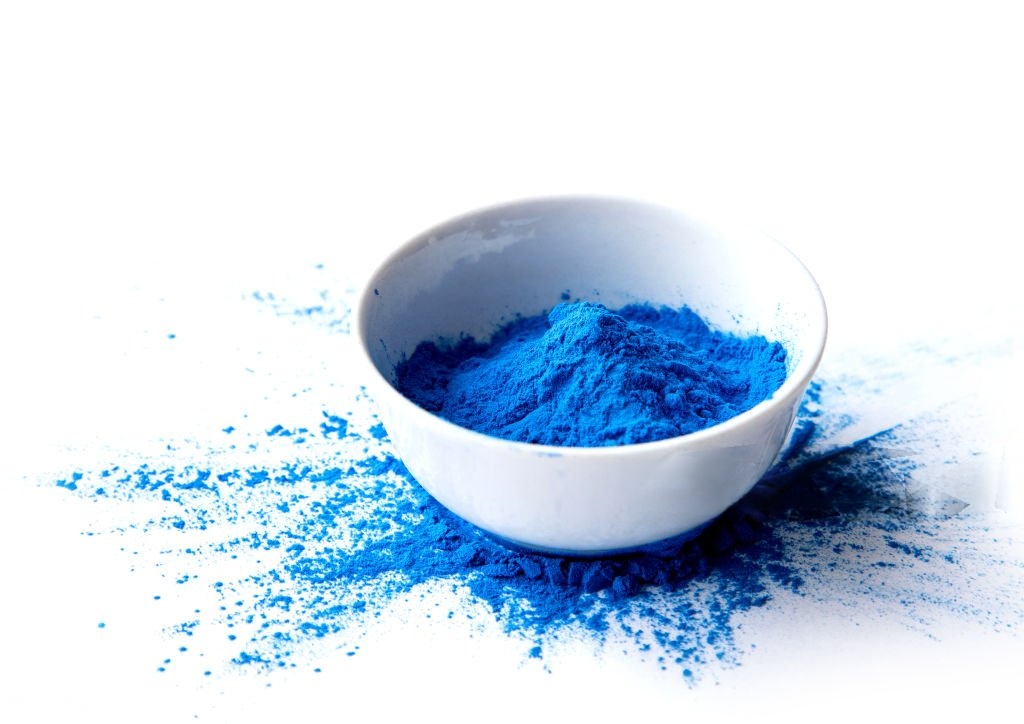
Phycocyanin is a heat- and light-sensitive blue phycobiliprotein used in food, cosmetics, diagnostics and research. When exporting high-purity Phycocyanin, the biggest challenge is protecting its biochemical integrity and visual/color characteristics throughout production, storage and transport. A broken cold chain can cause denaturation, loss of color and reduced activity — which destroys value. Below is a practical, export-focused guide covering the critical cold-chain requirements, best practices and a ready checklist for exporters.
Why the cold chain matters for Phycocyanin
Phycocyanin is a protein complex that degrades with: Elevated temperatures (denaturation and pigment loss) Prolonged exposure to light (photobleaching) Uncontrolled pH and oxidative conditions (chemical degradation) Microbial contamination (spoilage and enzymatic breakdown) Maintaining controlled temperatures plus protection from light, oxygen and contamination preserves color intensity, spectral properties and functional performance — all critical for high-purity products where customers pay a premium.
Target temperature regimes (practical guidance)
Export temperature choice depends on formulation, intended shelf life, and destination logistics:
Refrigerated (2–8 °C): Most common for purified, liquid Phycocyanin intended for near-term use. Keeps structure stable without need for frozen handling.
Frozen (−20 °C): Suitable for longer storage and shipments that may encounter delays. Useful for concentrated solutions or aliquoted bulk.
Deep frozen (≤ −70 °C): Rarely required for commercial food/cosmetic shipments, but used for long-term research stocks or highly labile formulations.
Choose the lowest practical risk option for transport. If ambient temperature en route (summer routes, hot climates) is high, prefer frozen or use aggressive insulation + refrigerants.

Packaging & physical protection
Good packaging prevents temperature spikes, light exposure and contamination.
Primary container: Food-grade glass or opaque, airtight HDPE with tamper seal. Protects from oxygen and light.
Secondary packaging: Leak-proof bagging and absorbent material to contain spills.
Insulation: Rigid insulated shippers (EPS, PU foam) or vacuum insulated panels for high value shipments.
Refrigerants: Conditioned gel packs for 2–8 °C shipments; dry ice for frozen (−20 °C or lower) shipments. Use the correct amount for expected transit time and ambient conditions.
Light barrier: Use opaque liners or foil to block light — phycocyanin is photolabile.
Physical cushioning: Protects against shocks/vibration that can accelerate degradation.
Temperature control & monitoring
Real-time and logged evidence of temperature history is essential for regulatory compliance and for customer confidence.
Data loggers: Use calibrated multi-use or single-use temperature data loggers set to sample frequently (e.g., every 5–15 minutes).
GPS + telemetry (for high value loads): Live tracking and alerts for excursions.
Temperature indicator labels: Cheap visual confirmation (e.g., color change labels) for first-line checks, but don’t replace loggers.
Setpoint and alarm thresholds: Define excursion thresholds (e.g., <2 °C or >8 °C for refrigerated shipments) and actions.
Retain logger reports and attach certified calibration records to shipping documents.
Regulatory & transport considerations
IATA/ICAO rules: If using dry ice for air freight, comply with dangerous goods regulations (packaging limits, labeling, documentation). Dry ice is a permitted but regulated refrigerant.
Customs & phytosanitary: Provide correct product classification, safety data sheets (SDS), and any required certificates (food safety, GMP, analytical certificates).
Import country requirements: Check destination rules for protein extracts/food additives/cosmetics ingredients ahead of shipment.
Quality assurance, validation & documentation
Before offering export shipments, validate your cold-chain end-to-end.
Stability studies: Real-time and accelerated stability data at your chosen shipping temps to define shelf life and acceptable excursion windows.
Temperature mapping: Validate insulated shippers and pallet configurations with mapping studies under expected ambient extremes.
SOPs: Written procedures covering packing, conditioning refrigerants, data logger initialization, labeling, courier handoff, and contingency actions.
Batch documentation: Include COA (certificate of analysis), SDS, handling instructions, lot number and expiry date.
Courier qualification: Use carriers experienced with cold-chain biological products. Obtain their SOPs for handling and contingency plans.
Handling & contingency planning
Pre-condition refrigerants and shippers to the target temperature before packing.
Minimize handling time at dispatch and transit hubs; schedule last-mile delivery windows.
Define actions for excursions: If a logger shows an excursion, quarantine the batch on arrival and run accelerated QC tests (colorimetric, absorbance, purity assays) to determine acceptability. Document the findings and communicate transparently with the buyer.
Practical checklist for exporters
Validate chosen temp regime with stability data.
Use opaque, airtight primary containers and insulated secondary packaging.
Select appropriate refrigerant (gel packs vs dry ice) and calculate required mass.
Place calibrated temperature data logger in each shipment; initialize and log start time.
Include COA, SDS, handling instructions and lot ID in the pack.
Use a qualified courier with cold-chain experience and provide tracking details to the consignee.
Keep calibration certificates and stability reports available for customs or customer queries.
Have an SOP for arrival handling, testing on excursion, and customer communication.
Conclusion
Exporting high-purity Phycocyanin successfully comes down to careful validation and disciplined operational control: pick the right temperature regime, design packaging that blocks heat and light, instrument every shipment with calibrated loggers, and document everything so recipients and regulators can verify integrity. With a validated cold chain and tight procedures, you protect product quality, reduce waste and strengthen buyer trust — all essential when selling a high-value, labile ingredient like Phycocyanin.
