
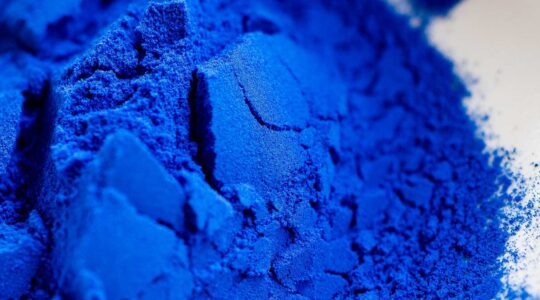
Operational and market challenges in production.
The demand for natural food colors and plant-based superfoods has significantly increased in recent years, leading to rapid growth in the blue spirulina industry. As a result, Blue Spirulina manufacturers in India are gaining attention in both domestic and international markets. Blue spirulina, derived from the pigment phycocyanin found in spirulina algae, is widely used in food, beverages, cosmetics, and nutraceutical products due to its vibrant color and health benefits. This growing demand has encouraged many Blue Spirulina manufacturers to invest in advanced cultivation and extraction technologies to meet market expectations.
However, despite the promising market potential, the industry faces several operational and market-related challenges. Blue Spirulina manufacturers in India must deal with issues such as maintaining consistent quality, managing production costs, ensuring stable cultivation conditions, and complying with strict food safety regulations. In addition, competition from global producers and fluctuating market demand can create further difficulties for Blue Spirulina manufacturers striving to establish a strong presence in the industry.
In recent years, Blue Spirulina manufacturers in India have gained strong recognition for producing high-quality phycocyanin that meets international standards for purity, stability, and safety. India’s favorable climate for spirulina cultivation, combined with advancements in extraction and processing technology, has allowed manufacturers to develop blue spirulina products suitable for a wide range of food and beverage applications. These include dairy products, confectionery, beverages, desserts, bakery items, and nutritional supplements.
Climate Dependency
One of the major challenges faced by Blue Spirulina manufacturers in India is the strong dependency on climate conditions for spirulina cultivation. Spirulina, the primary source of blue spirulina pigment (phycocyanin), grows best in warm temperatures, adequate sunlight, and controlled water quality. Any sudden changes in weather, such as heavy rainfall, extreme heat, or fluctuating temperatures, can directly impact the growth and quality of the algae. For many Blue Spirulina manufacturers, maintaining these ideal conditions throughout the year can be difficult, especially in regions with unpredictable climate patterns. In India, spirulina cultivation is often carried out in open ponds, making the production process highly sensitive to environmental changes. Excessive rain can dilute the nutrient concentration in the ponds, while very high temperatures can stress the algae and reduce pigment quality. Because of this, Blue Spirulina manufacturers in India must continuously monitor environmental factors and implement protective measures such as controlled cultivation systems or greenhouse setups to stabilize production. One of the primary factors influencing color intensity is the quality of raw spirulina biomass used during extraction. Spirulina that is cultivated in controlled environments with balanced nutrients, clean water, and adequate sunlight typically produces higher concentrations of phycocyanin pigment. Leading Blue Spirulina manufacturers invest in advanced cultivation systems and strict quality monitoring to ensure that the spirulina harvested contains a rich pigment profile, which directly impacts the final color strength of the product.
Raw Material Fluctuations
One of the major challenges faced by Blue Spirulina manufacturers in India is the fluctuation in the availability and quality of raw materials required for spirulina cultivation and phycocyanin extraction. Blue spirulina is derived from spirulina algae, which requires controlled environmental conditions, clean water, proper nutrients, and stable cultivation systems. Any variation in these factors can directly impact the growth and quality of the algae used by Blue Spirulina manufacturers.
Climate changes, water quality issues, and inconsistent nutrient supply can affect spirulina cultivation, leading to irregular raw material availability. For many Blue Spirulina manufacturers in India, maintaining a steady supply of high-quality spirulina biomass is essential to ensure consistent production of blue spirulina extract. When the quality of the raw material fluctuates, it can reduce pigment concentration and affect the final product quality.

Regulatory Changes
Regulatory policies play a crucial role in shaping the growth and stability of the spirulina industry. For Blue Spirulina manufacturers in India, staying compliant with evolving food safety and quality regulations is an essential but often challenging task. Since blue spirulina is widely used as a natural colorant and nutritional ingredient in foods, beverages, and dietary supplements, manufacturers must follow strict guidelines set by regulatory authorities such as the Food Safety and Standards Authority of India (FSSAI) and international food safety organizations.
One of the major challenges for Blue Spirulina manufacturers is adapting to frequent updates in regulations related to food additives, labeling standards, and product approvals. Any changes in these rules may require manufacturers to modify their production processes, update packaging information, or obtain new certifications. These adjustments can increase operational costs and slow down the product launch process, especially for smaller companies.
Export Barriers
For many Blue Spirulina manufacturers in India, exporting their products to international markets presents significant opportunities for growth. Global demand for natural food colorants and plant-based ingredients continues to rise, creating strong potential for Blue Spirulina manufacturers to supply industries such as food and beverages, nutraceuticals, and cosmetics. However, despite the promising export market, manufacturers often face several barriers that can limit their global expansion.
One of the primary challenges for Blue Spirulina manufacturers in India is complying with strict international quality and safety standards. Different countries have specific regulations regarding food additives, natural colorants, and dietary supplements. Meeting certifications such as FDA approvals, EU food safety regulations, and other international quality standards requires additional testing, documentation, and investment from Blue Spirulina manufacturers.
Pricing Competition
One of the major challenges faced by Blue Spirulina manufacturers in India is intense pricing competition in both domestic and global markets. As the demand for natural food colorants and plant-based ingredients continues to rise, many new players have entered the spirulina industry. This growing number of Blue Spirulina manufacturers has increased competition, making it difficult for companies to maintain competitive pricing while ensuring high product quality.
For Blue Spirulina manufacturers in India, production costs can be relatively high due to factors such as controlled cultivation environments, advanced extraction technology for phycocyanin, and strict quality standards. These operational expenses often make it challenging to compete with manufacturers from other countries where large-scale production and lower operational costs allow them to offer lower prices.
Quality Standardization
Maintaining consistent quality is one of the most significant challenges faced by Blue Spirulina manufacturers in India. Blue spirulina is valued mainly for its natural blue pigment, phycocyanin, which must meet strict purity, color intensity, and safety standards for use in food, beverages, and nutraceutical products. Ensuring this level of consistency across different production batches requires advanced cultivation methods, controlled harvesting processes, and precise extraction techniques. For many Blue Spirulina manufacturers, maintaining uniform quality while scaling production can be technically demanding.
Environmental factors such as temperature, light intensity, water quality, and nutrient balance directly influence spirulina growth and pigment concentration. Because of this, Blue Spirulina manufacturers in India must carefully manage cultivation conditions to ensure stable phycocyanin content. Even minor variations in these factors can affect the final product’s color strength and nutritional profile, making quality standardization a continuous operational challenge for Blue Spirulina manufacturers.
Supply Chain Issues
For Blue Spirulina manufacturers in India, maintaining a stable and efficient supply chain is one of the most important yet challenging aspects of production. The manufacturing process of blue spirulina involves multiple stages, including spirulina cultivation, harvesting, extraction of phycocyanin, processing, packaging, and distribution. Any disruption in these stages can directly affect the quality, cost, and timely delivery of the final product. As demand for natural food colorants increases globally, Blue Spirulina manufacturers must ensure a well-organized supply chain to keep up with market needs.
One of the primary challenges faced by Blue Spirulina manufacturers in India is the availability of consistent raw materials. Spirulina cultivation requires controlled environmental conditions such as clean water, appropriate sunlight, and specific nutrient levels. Changes in climate, water quality issues, or contamination risks can interrupt cultivation and reduce production capacity. Because of this, Blue Spirulina manufacturers must invest in advanced cultivation systems and quality monitoring to maintain a steady supply of raw spirulina.
Technology Upgradation Costs
For Blue Spirulina manufacturers in India, keeping up with modern production technology is one of the most significant challenges in the industry. The extraction of blue spirulina, particularly the valuable pigment phycocyanin, requires advanced processing systems, controlled cultivation environments, and specialized filtration and drying equipment. These technologies are essential to maintain the purity, color intensity, and nutritional value of the final product. However, the high investment required for such equipment can place financial pressure on many Blue Spirulina manufacturers, especially small and medium-scale producers.
To meet international quality standards, Blue Spirulina manufacturers in India must regularly upgrade their cultivation systems, temperature-controlled facilities, and extraction technologies. Equipment such as closed photobioreactors, membrane filtration systems, and freeze-drying units plays a critical role in producing high-grade blue spirulina. While these technologies improve product quality and production efficiency, the cost of installation, maintenance, and technical expertise can be substantial for many Blue Spirulina manufacturers.
Market Awareness Gaps
Despite the growing popularity of natural food colorants and superfoods, market awareness about blue spirulina remains limited in many regions. This creates a significant challenge for Blue Spirulina manufacturers in India who are trying to expand their reach in both domestic and international markets. While industries such as food and beverages, nutraceuticals, and cosmetics are gradually recognizing its value, many potential buyers and consumers are still unfamiliar with the benefits and applications of blue spirulina.
One of the main issues faced by Blue Spirulina manufacturers is the lack of consumer education. Many people are more familiar with traditional spirulina in its green form but are unaware that blue spirulina is a purified extract known for its vibrant natural color and antioxidant properties. Because of this knowledge gap, companies must invest additional resources in marketing, awareness campaigns, and product education to build trust and demand.
Counterfeit Products
One of the growing concerns in the industry is the rise of counterfeit and low-quality products in the market. As the demand for natural food colorants and superfoods continues to increase, Blue Spirulina manufacturers in India often face challenges from suppliers who sell imitation or diluted versions of blue spirulina. These counterfeit products are sometimes made using artificial colorants or poorly processed spirulina, which can mislead consumers and damage the reputation of genuine Blue Spirulina manufacturers.
For many Blue Spirulina manufacturers in India, maintaining product authenticity and quality standards is a top priority. However, counterfeit products sold at lower prices can create unfair competition in the market. Buyers who are unaware of quality differences may choose cheaper alternatives, which affects the trust and credibility of legitimate Blue Spirulina manufacturers that invest heavily in proper cultivation, extraction, and quality testing processes.
