
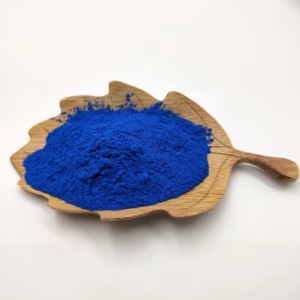
Overview of the End-to-End Production Process
The manufacturing of blue spirulina in India involves a carefully controlled sequence of steps designed to extract the vibrant blue pigment, phycocyanin, while preserving its nutritional and functional properties. From the initial cultivation of spirulina in nutrient-rich water to the final production of high-purity blue spirulina powder or extract, each stage plays a critical role in ensuring quality, safety, and consistency. Understanding this end-to-end process provides valuable insight into how natural ingredients are transformed into a commercially viable product for use in foods, beverages, supplements, and cosmetics.
Spirulina Cultivation Methods
The foundation of high-quality blue spirulina lies in how it is cultivated. Spirulina, a type of cyanobacteria, thrives in carefully controlled aquatic environments, and the cultivation method directly impacts its growth rate, nutrient content, and pigment concentration. In India, producers use several cultivation techniques, each tailored to optimize yield and maintain purity. From open pond systems to advanced photobioreactors, these methods ensure that the spirulina is grown sustainably while preserving the properties that make it ideal for extraction into the vibrant blue pigment, phycocyanin.
Harvesting of Biomass
Once spirulina reaches optimal growth in controlled cultivation systems, the next crucial step is harvesting the biomass. This process involves carefully separating the spirulina filaments from the growth medium while maintaining their nutritional integrity. Proper harvesting ensures maximum yield, high-quality biomass, and minimal contamination, forming the foundation for producing pure and potent blue spirulina extracts.
Cell Disruption Techniques
Once spirulina biomass is harvested, the next critical step in blue spirulina production is breaking open the cells to release phycocyanin, the valuable blue pigment. Spirulina cells have tough cell walls, which protect their internal contents, so specialized cell disruption techniques are required to efficiently extract the pigment without degrading its quality. The choice of method directly impacts the yield, purity, and stability of the final product. In industrial production, a combination of mechanical, chemical, and enzymatic techniques is often employed to achieve optimal results, ensuring maximum extraction while maintaining the natural color and bioactivity of phycocyanin.

Phycocyanin Extraction Methods
Phycocyanin, the natural blue pigment derived from spirulina, is the key component that gives blue spirulina its distinctive color and functional benefits. Extracting phycocyanin efficiently and safely is essential to produce a high-quality product suitable for food, nutraceutical, and cosmetic applications. Various extraction methods are employed to isolate phycocyanin while maintaining its stability, purity, and bioactivity. Each method differs in terms of efficiency, cost, and suitability for large-scale production, making it important to understand the techniques used in the industry to achieve optimal results.
Filtration & Purification
Once spirulina biomass is harvested, the next critical stage is filtration and purification. This process ensures that the raw material is free from impurities such as residual salts, unwanted microorganisms, and other debris. Filtration helps separate the concentrated spirulina from the cultivation water, while purification techniques refine the extract to isolate the high-quality phycocyanin pigment. Maintaining strict control during this stage is essential to achieve the vibrant blue color, maximize nutrient retention, and meet the quality standards required for food, supplement, and cosmetic applications.
Concentration & Stabilization
After extraction, the raw blue spirulina contains phycocyanin along with water and other residual components. The next critical phase is concentration and stabilization, which focuses on increasing the pigment’s strength while ensuring its long-term stability. During this stage, water content is carefully reduced, and stabilizing techniques are applied to preserve the vibrant color, antioxidant properties, and overall quality of the extract. This step is essential for producing a shelf-stable, high-purity blue spirulina product suitable for use in food, beverages, supplements, and cosmetics.
Drying Techniques Used
Drying is a crucial step in the production of blue spirulina, as it helps preserve the delicate phycocyanin pigment and extends the product’s shelf life without compromising its nutritional value. The choice of drying technique directly impacts the color intensity, purity, and solubility of the final product. In India, manufacturers employ specialized methods that balance efficiency with the need to maintain the bioactive properties of spirulina. Exploring these techniques provides insight into how high-quality blue spirulina is consistently produced for use in food, supplements, and cosmetic applications.
Quality Testing Stages
Ensuring the purity, potency, and safety of blue spirulina is a critical part of its manufacturing process. Throughout production, the product undergoes multiple quality testing stages to verify its chemical composition, microbial safety, and pigment concentration. These rigorous checks help maintain consistent standards, meet regulatory requirements, and guarantee that the final blue spirulina extract delivers the expected nutritional and functional benefits. By understanding the different quality testing stages, one can appreciate the precision and care that goes into producing premium-grade blue spirulina.
Packaging Standards
Packaging plays a crucial role in maintaining the quality, safety, and shelf life of blue spirulina products. Proper packaging not only protects the delicate phycocyanin pigment from light, moisture, and air but also ensures compliance with food safety and regulatory standards in India. Adhering to standardized packaging practices helps manufacturers deliver a consistent, high-quality product to consumers while preserving its vibrant color, potency, and nutritional benefits throughout storage and transportation.
Storage & Shelf-Life Management
Proper storage and shelf-life management are critical to maintaining the quality, color, and nutritional potency of blue spirulina. Being a natural pigment-rich product, it is sensitive to factors such as light, temperature, and moisture, which can degrade its vibrant blue color and bioactive compounds over time. Implementing appropriate storage conditions, using protective packaging, and monitoring expiration timelines ensures that blue spirulina retains its effectiveness and remains safe for consumption throughout its shelf life.
