

Blue spirulina — sometimes marketed simply as Blue spirulina extract — has surged from smoothie bowls into the clean-beauty aisle. Derived from Arthrospore platensis (commonly called spirulina), the vivid blue pigment (phycocyanin) and nutrient-rich biomass are now being incorporated into serums, masks, color cosmetics, and wound-soothing balms. But is this bright blue ingredient more than a marketing splash? Here’s a practical look at why Blue spirulina extract is capturing brand attention and what it means for consumers and formulators.
What is Blue spirulina extract (blue spirulina)?
Blue Extract refers to concentrated components of blue spirulina — primarily the phycocyanin pigment plus the strain’s suite of proteins, vitamins, and antioxidants. Unlike synthetic dyes, Blue Extract is a natural, plant-based colorant and active ingredient. Brands position it as an antioxidant-rich, skin-soothing alternative to petrochemical colorants and controversial synthetics, aligning with the clean-beauty movement.
Skin benefits backed by biology (and realistic claims)
Blue spirulina contains compounds that offer several plausible skin benefits:
Antioxidant activity: Phycocyanin and associated molecules scavenge free radicals in vitro, helping protect cells from oxidative stress — a contributor to premature aging.
Anti-inflammatory potential: Studies suggest phycocyanin can reduce inflammatory markers. This supports the ingredient’s use in calming serums, redness-reducing masks, and post-procedure care products.
Hydration and barrier support: Spirulina biomass includes amino acids and lipids that can support skin barrier function when formulated correctly.
Nutrient delivery: Vitamins (B-complex), minerals, and proteins may provide supportive nourishment to the skin’s surface.
Important practical note: many published studies are preclinical or in vitro. That means benefits observed in labs may not always translate directly to visible consumer results unless the formula ensures ingredient stability and bioavailability. Claims should therefore be evidence-informed and not exaggerated.
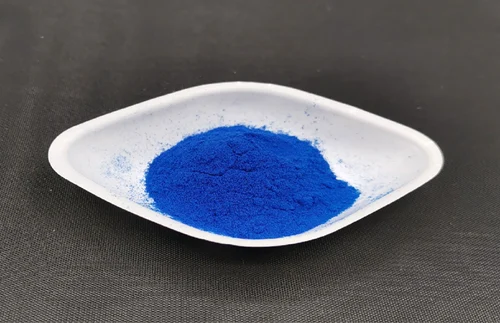
Clean-color advantage: natural pigmentation without synthetic dyes
One of the biggest commercial wins for Blue spirulina extract is its role as a natural blue pigment. Blue is notoriously hard to make from botanical sources — most plant dyes tend toward reds, yellows, and browns — so a stable, vibrant blue from spirulina is a marketer’s dream for eye-catching packaging and natural color cosmetics. Because it’s perceived as non-synthetic, it fits brand stories focused on transparency and minimal processing.
Formulation challenges and solutions
Formulating with Blue spirulina extract requires care:
Stability: Phycocyanin is sensitive to heat, light, and pH. Formulas need low-temperature processing, appropriate pH ranges, and UV-protective packaging to avoid color loss and degradation.
Preservation: As a biological extract, it can introduce microbial risk if not properly preserved or standardized. Emulsions and water-based products require robust preservation systems compatible with clean-beauty claims.
Color transfer and staining: Highly pigmented products (masks, wash-off treatments) must be tested for temporary staining on fabrics or skin — usually manageable with proper dosing and adjunct ingredients.
Experienced formulators mitigate these issues with microencapsulation, chelators, stabilizers (that meet clean-beauty definitions), and cold-processing techniques.
Sustainability and sourcing
Sustainability is central to the Blue spirulina extract story. Spirulina is a fast-growing, low-land-use microalga that can be cultivated in controlled ponds or photobioreactors with relatively low freshwater and fertilizer needs compared to terrestrial crops. When sourced from responsible farms with transparent supply chains, Blue spirulina extract aligns well with eco-friendly product messaging. Brands should, however, verify certificates and audit supplier practices — not all producers maintain the same environmental or labor standards.
Safety and regulatory landscape
As a food-grade microalga, spirulina has a history of ingestion; topical use is newer but generally considered low-risk. Still, formulators must:
Test for contaminants (heavy metals, microcystins) — especially if starting material is harvested from open water.
Conduct patch tests and stability/preservative efficacy testing for cosmetics.
Ensure colorant and active concentrations comply with local cosmetic regulations and labeling requirements.
For claims about treating or curing skin conditions, brands must avoid therapeutic language unless the product has appropriate regulatory clearance.
How consumers should evaluate Blue spirulina extract products
If you’re shopping for Blue spirulina extract skincare or cosmetics, look for:
Clear ingredient lists showing standardized spirulina/phycocyanin concentrations.
Third-party test results or supplier transparency about contaminant testing.
Packaging that protects against light and heat (opaque tubes, airless pumps).
Realistic claims (e.g., “soothes and protects” rather than “cures rosacea”).
The future: where Blue spirulina extract fits in clean beauty
Blue spirulina extract is more than a trend color — it’s an intersection of natural pigmentation and functional skincare. Expect to see it expand into multifunctional products (e.g., calming tinted moisturizers), hybrid formulations that combine algae extracts with microbiome-friendly prebiotics, and more robust clinical studies that support targeted claims.
For brands, Blue spirulina extract offers a visually striking way to communicate natural efficacy — but success depends on responsible sourcing, smart formulation, and honest marketing. For consumers, it represents an attractive option in the evolving clean-beauty toolbox: visually delightful, biologically promising, and — when done right — environmentally sensible.
