
The Fastest-Growing Application Segment
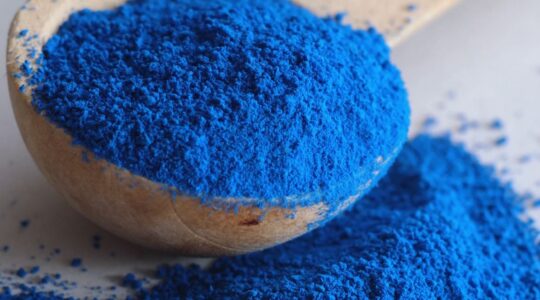
In recent years, functional beverages have emerged as one of the fastest-growing application segments for blue spirulina, driven by increasing consumer demand for health-conscious and nutrient-rich drinks. Indian manufacturers have recognized this trend, leveraging the natural antioxidant and protein-rich properties of phycocyanin—the key pigment in blue spirulina—to develop beverages that are not only visually appealing but also offer tangible health benefits. From smoothies and energy drinks to plant-based protein shakes and herbal infusions, the infusion of blue spirulina has transformed traditional beverages into functional wellness products. This rapid adoption reflects a broader shift in India’s beverage market, where consumers increasingly seek products that combine taste, convenience, and nutritional value.
Role of Blue Spirulina in Beverages
Blue spirulina has quickly become a standout ingredient in the beverage industry due to its vibrant color, natural health benefits, and versatility. In functional and wellness drinks, it serves a dual role—enhancing visual appeal while providing essential nutrients like protein, antioxidants, and phycocyanin, which supports immunity and overall vitality. Indian manufacturers are increasingly incorporating blue spirulina into smoothies, energy drinks, herbal teas, and dairy alternatives, turning everyday beverages into nutrient-packed options. Beyond nutrition, its natural blue pigment allows brands to create visually striking products without synthetic additives, meeting the growing consumer preference for clean-label and plant-based beverages.This sensitivity poses a significant challenge for manufacturers, as even minor deviations during processing, storage, or packaging can compromise the product’s quality. Understanding the natural vulnerabilities of phycocyanin is therefore critical for designing strategies that preserve its stability, ensure consistent product performance, and maximize shelf life. In the context of nutraceuticals, such as blue spirulina, private label manufacturing enables brands to offer high-quality, ready-to-market health ingredients without investing heavily in production facilities, research, or regulatory compliance. The manufacturer handles production, quality testing, and often packaging, while the brand owner controls the product’s identity, packaging design, and marketing strategy. From a regulatory standpoint, global food authorities are tightening norms around synthetic colors. Several artificial dyes face partial bans, warning label requirements, or usage restrictions across regions such as the European Union, the United Kingdom, and parts of Asia. In contrast, regulations continue to evolve, creating compliance challenges for food and beverage manufacturers that rely heavily on synthetic colorants. Constant monitoring, reformulation costs, and the risk of future bans make artificial colors a less sustainable long-term option. Blue spirulina manufacturers in India use standardized analytical methods, such as spectrophotometric absorbance ratios, to classify phycocyanin into different purity grades. Higher purity levels result in a more vibrant blue color, improved stability, and fewer impurities like chlorophyll or residual proteins. These factors are critical when phycocyanin is used in sensitive applications such as functional foods, nutraceuticals, cosmetics, and pharmaceuticals. Understanding phycocyanin purity helps buyers assess product quality, compare suppliers, and select the right grade based on intended use. Whether for natural food coloring or high-value health formulations, purity directly impacts performance, safety, and regulatory compliance.
Solubility Requirements for Drinks
One of the key challenges in incorporating blue spirulina into functional beverages is ensuring optimal solubility without compromising taste, color, or nutritional value. The water-soluble pigment phycocyanin, which gives blue spirulina its vibrant hue, requires precise formulation techniques to disperse evenly in both cold and hot liquids. Indian manufacturers are increasingly investing in advanced extraction and microencapsulation methods to enhance solubility, prevent sedimentation, and maintain stability over the product’s shelf life. Proper solubility is crucial not only for visual appeal but also for delivering consistent health benefits, as uneven dispersion can reduce the efficacy of bioactive compounds. Meeting these requirements is essential for creating beverages that satisfy both consumer expectations and regulatory standards in India’s growing functional drink market.
Contract farming not only guarantees a consistent raw material supply for manufacturers but also provides farmers with financial security through predetermined pricing, technical support, and assured market access. These partnerships are particularly vital in regions like Andhra Pradesh, Tamil Nadu, and Karnataka, where the climatic conditions and freshwater availability are ideal for spirulina cultivation.
By fostering these collaborations, the industry ensures that both farmers and manufacturers benefit—farmers gain access to modern agricultural practices and stable income, while manufacturers maintain a high-quality, traceable raw material base that underpins the global competitiveness of Indian blue spirulina.
Light Exposure
Phycocyanin, the vibrant blue pigment in spirulina, is highly photosensitive. Excessive exposure to sunlight or artificial light can degrade the pigment, causing color fading and loss of bioactive compounds.Temperature and Humidity
High temperatures accelerate chemical reactions and microbial growth, while excess moisture can lead to clumping or spoilage. Maintaining a cool, dry environment is essential for prolonging shelf life.
pH Challenges in Beverages
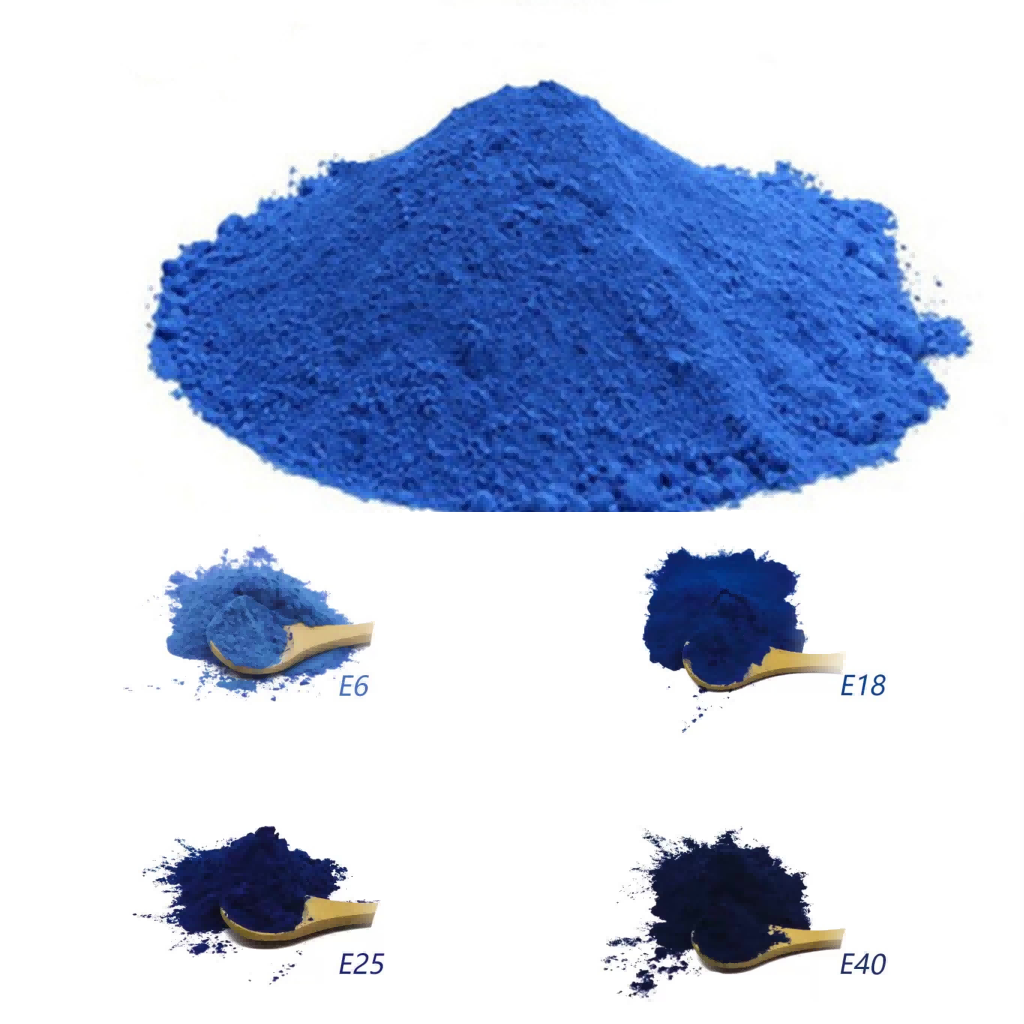
One of the critical challenges in formulating blue spirulina-infused beverages is maintaining stability across different pH levels. The vibrant blue color of phycocyanin, the active pigment in blue spirulina, is highly sensitive to acidic environments, which are common in fruit juices, carbonated drinks, and functional beverages. In low pH conditions, the pigment can degrade quickly, leading to color fading and potential loss of nutritional value. Indian manufacturers have been actively researching solutions to overcome these pH-related issues, such as encapsulation techniques, pH balancing, and the use of stabilizers, to ensure that the final product retains both its appealing hue and functional benefits. Addressing pH challenges is essential for delivering a visually attractive and healthful beverage that meets consumer expectations.
Heat Processing Considerations
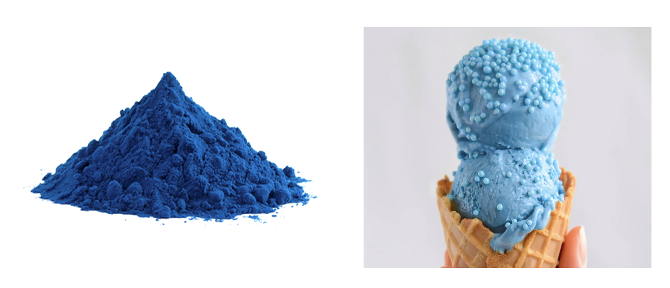
When incorporating blue spirulina into functional beverages, heat processing emerges as a critical factor that can significantly influence both the color and nutritional quality of the final product. Phycocyanin, the vibrant blue pigment and key bioactive compound in spirulina, is highly sensitive to temperature, pH, and light. Excessive heat during pasteurization or beverage preparation can lead to degradation of phycocyanin, causing color loss and reducing its antioxidant benefits. Indian manufacturers are increasingly exploring optimized heat-processing techniques, such as low-temperature pasteurization, aseptic processing, and cold-fill methods, to preserve the stability, visual appeal, and functional properties of blue spirulina. Understanding these considerations is essential for developing beverages that maintain their nutritional integrity while meeting industry safety and shelf-life requirements.
Formulation Tips from Manufacturers
Developing functional beverages with blue spirulina requires careful formulation to maintain its vibrant color, nutritional profile, and taste appeal. Indian manufacturers share that the key lies in balancing phycocyanin’s natural earthy flavor with complementary ingredients while ensuring stability during processing and storage. Factors such as pH levels, temperature control, and natural preservatives play a crucial role in preserving the pigment and bioactive compounds. Additionally, combining blue spirulina with fruits, plant-based proteins, or herbal extracts can enhance both flavor and functional benefits, creating beverages that are as enjoyable as they are health-promoting. These insights reflect the expertise of Indian producers in transforming a superfood ingredient into commercially viable and consumer-friendly products.
Stability in RTD Products
One of the key challenges in incorporating blue spirulina into ready-to-drink (RTD) beverages is ensuring the stability of its vibrant color and potent bioactive compounds throughout the product’s shelf life. Phycocyanin, the natural pigment responsible for blue spirulina’s striking hue, is sensitive to factors like heat, light, and pH variations, which can degrade its color and antioxidant properties. Indian manufacturers are increasingly investing in advanced stabilization techniques, such as microencapsulation, controlled pH formulation, and natural stabilizers, to maintain both the aesthetic appeal and nutritional integrity of RTD beverages. Ensuring stability not only enhances consumer confidence but also expands the possibilities for innovative product formats in India’s fast-growing functional beverage market.
During storage and transportation, temperature-controlled environments—typically between 2°C to 8°C for extracts and slightly cooler for bulk powders—are essential to prevent degradation of phycocyanin, the key pigment responsible for both its color and antioxidant properties. Advanced refrigeration units, insulated packaging, and real-time temperature monitoring systems are commonly used to ensure that the product remains stable from farm to processing facilities and finally to distribution centers.
Flavor Masking Techniques
One of the main challenges in incorporating blue spirulina into functional beverages is its naturally earthy and slightly bitter taste, which can affect overall palatability. To ensure consumer acceptance, Indian manufacturers are increasingly adopting advanced flavor masking techniques. These methods range from blending spirulina with fruit juices and natural sweeteners to using microencapsulation, which helps mask the pigment’s flavor while preserving its nutritional benefits. By carefully balancing taste and functionality, beverage producers can create products that are not only visually striking with the vibrant blue hue but also enjoyable to consume, making flavor masking a critical step in the successful commercialization of blue spirulina beverages.
Success Stories in Beverage Brands
The incorporation of blue spirulina in functional beverages has not only captured consumer attention but also created notable success stories among Indian beverage brands. By leveraging the vibrant color, antioxidant properties, and high protein content of phycocyanin, several brands have differentiated themselves in a competitive market. From niche startups introducing eye-catching health shots to established companies revamping their smoothie and energy drink portfolios, these success stories highlight how innovation and strategic marketing can turn a natural ingredient into a key selling point. The rising popularity of these beverages underscores the potential for blue spirulina to redefine health-focused drink categories in India, blending wellness benefits with visual appeal and consumer engagement.
Future Beverage Innovations
As consumer interest in health and wellness continues to surge, blue spirulina is set to play a pivotal role in the next generation of functional beverages. Indian manufacturers are exploring innovative formulations that go beyond traditional juices and smoothies, integrating blue spirulina into ready-to-drink protein shakes, sparkling wellness drinks, herbal elixirs, and even dairy alternatives. Advances in extraction techniques and stabilization technologies are enabling longer shelf-life, vibrant coloration, and enhanced bioavailability of phycocyanin, opening the door for creative flavor profiles and novel product formats. With a growing emphasis on clean-label ingredients, plant-based nutrition, and visually striking beverages, the future of blue spirulina in India promises both functional benefits and experiential appeal for consumers seeking healthier, more engaging drink options.
