
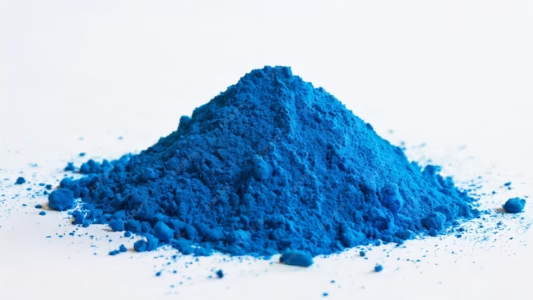
Helping buyers make informed sourcing decisions
Sourcing high-quality blue spirulina requires more than just identifying suppliers—it’s about making informed decisions that ensure product purity, consistency, and compliance with global standards. For international buyers looking to partner with Indian manufacturers, understanding the key criteria for selection is crucial. This checklist aims to guide buyers through the essential factors—from production practices and quality certifications to scalability and export readiness—helping them make confident sourcing decisions in the booming blue spirulina market.
Quality Parameters to Verify
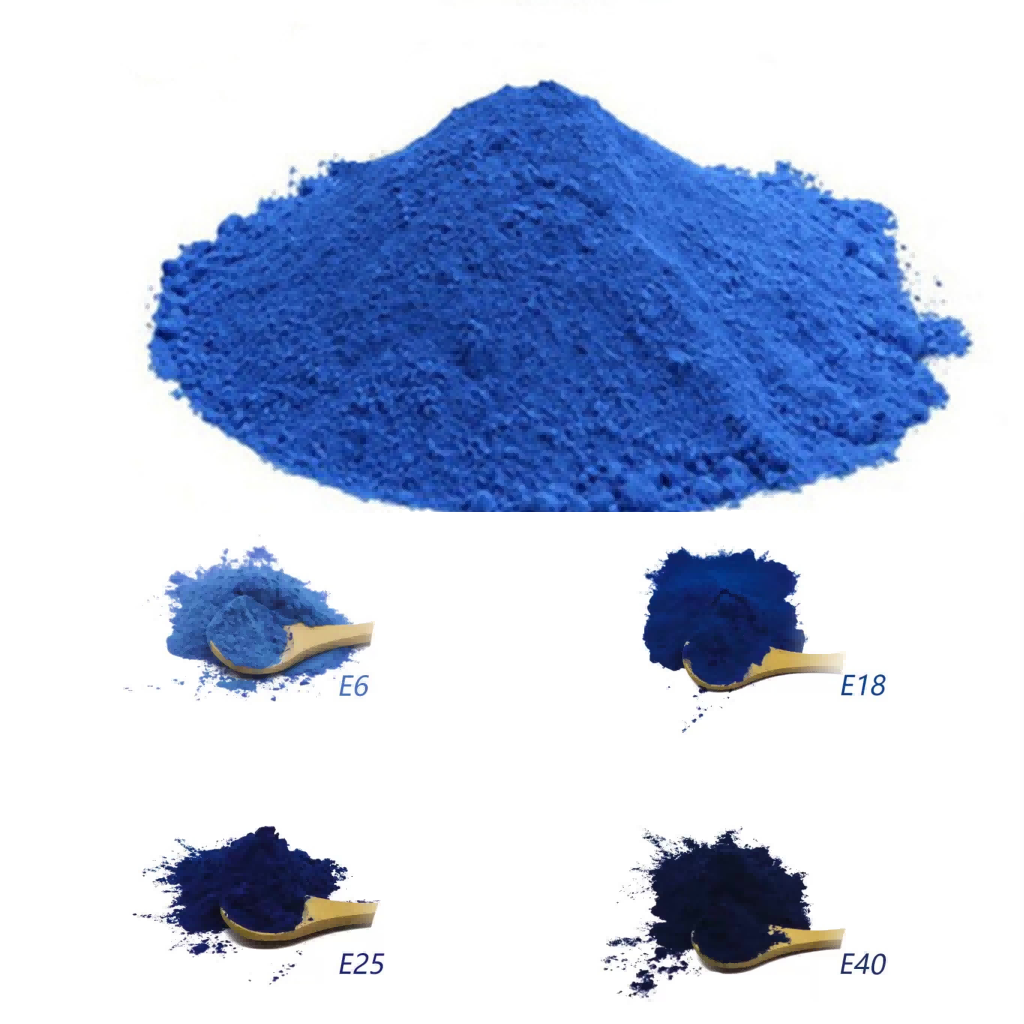
When sourcing blue spirulina from Indian manufacturers, verifying quality is the foundation of a reliable partnership. Global buyers typically assess the following parameters to ensure the product meets international standards: Phycocyanin Content – The blue pigment, phycocyanin, is the hallmark of blue spirulina. Higher concentrations indicate superior potency and purity. Buyers should request lab reports confirming phycocyanin levels. Purity & Contaminant Testing – Ensure the product is free from heavy metals, microcystins, pesticides, and other contaminants. Accredited third-party lab tests and certificates of analysis (CoA) are essential.In the context of nutraceuticals, such as blue spirulina, private label manufacturing enables brands to offer high-quality, ready-to-market health ingredients without investing heavily in production facilities, research, or regulatory compliance. The manufacturer handles production, quality testing, and often packaging, while the brand owner controls the product’s identity, packaging design, and marketing strategy. From a regulatory standpoint, global food authorities are tightening norms around synthetic colors. Several artificial dyes face partial bans, warning label requirements, or usage restrictions across regions such as the European Union, the United Kingdom, and parts of Asia. In contrast, regulations continue to evolve, creating compliance challenges for food and beverage manufacturers that rely heavily on synthetic colorants. Constant monitoring, reformulation costs, and the risk of future bans make artificial colors a less sustainable long-term option. Blue spirulina manufacturers in India use standardized analytical methods, such as spectrophotometric absorbance ratios, to classify phycocyanin into different purity grades. Higher purity levels result in a more vibrant blue color, improved stability, and fewer impurities like chlorophyll or residual proteins. These factors are critical when phycocyanin is used in sensitive applications such as functional foods, nutraceuticals, cosmetics, and pharmaceuticals. Understanding phycocyanin purity helps buyers assess product quality, compare suppliers, and select the right grade based on intended use. Whether for natural food coloring or high-value health formulations, purity directly impacts performance, safety, and regulatory compliance.
Purity & Stability Benchmarks
For global buyers, the primary concern when sourcing blue spirulina is its purity. High-quality spirulina must be free from contaminants such as heavy metals, microbes, pesticides, and synthetic additives. Reputable Indian manufacturers implement rigorous testing protocols, including third-party lab analyses, to ensure that the phycocyanin content—the pigment responsible for blue spirulina’s vibrant color and antioxidant properties—is consistently high.
Certification & Compliance Checklist
For global buyers, certifications and regulatory compliance are non-negotiable when sourcing blue spirulina from India. Ensuring that manufacturers adhere to international standards not only guarantees product safety but also facilitates smooth import and distribution. Here’s what buyers typically check:
FSSAI Certification – Confirms the manufacturer meets Indian food safety standards and ensures the spirulina is safe for human consumption.
ISO Certification – ISO 9001 (Quality Management) or ISO 22000 (Food Safety Management) certifications indicate robust quality systems and operational reliability.
Organic Certification – Certifications like USDA Organic or India Organic are crucial for buyers targeting the health-conscious and organic markets.
Production Capacity Assessment
One of the first things global buyers consider when evaluating Indian blue spirulina manufacturers is their production capacity. Ensuring that a supplier can meet both current orders and future growth is essential to avoid supply disruptions. Buyers typically assess:
Annual Production Volume – Understanding the manufacturer’s yearly output helps determine if they can consistently fulfill large or recurring orders.
Scalability – It’s important to check if the facility can scale production quickly in response to increased demand without compromising quality.
Sample Evaluation Guidelines
Before committing to bulk orders, evaluating samples is a critical step for buyers to ensure the quality, consistency, and suitability of blue spirulina products. A structured sample evaluation helps identify potential issues, confirm compliance with specifications, and assess whether a manufacturer meets international standards. These guidelines provide a clear framework for buyers to systematically test and review samples, enabling informed sourcing decisions and building confidence in their choice of Indian manufacturers.
Pricing vs Quality Balance
When sourcing blue spirulina, global buyers often face the delicate challenge of balancing cost with product quality. While competitive pricing is important, compromising on quality can lead to impurities, inconsistent phycocyanin content, or manufacturing practices that don’t meet international standards.
Indian manufacturers offer a wide range of pricing options, reflecting differences in cultivation methods, extraction technology, and purity levels. Buyers should evaluate:
Purity and Potency: Higher-quality spirulina may cost more but ensures consistent phycocyanin concentration and nutritional benefits.
Long-Term Supply Reliability
For global buyers, ensuring a steady and predictable supply of blue spirulina is paramount. Fluctuations in production or delivery delays can disrupt product formulations, affect business relationships, and increase operational costs. Indian manufacturers that prioritize long-term supply reliability usually demonstrate the following:
Consistent Production Capacity: Manufacturers with well-planned cultivation and extraction processes can meet large orders without compromising quality. Buyers often assess annual production volumes and scalability to ensure long-term availability.
Inventory Management: Adequate raw material stockpiles and finished product inventory help manufacturers buffer against seasonal variations or unexpected disruptions, ensuring orders are fulfilled on time.
Communication & Transparency
Clear communication and full transparency are non-negotiable when sourcing blue spirulina from Indian manufacturers. Buyers prioritize suppliers who are proactive in sharing information about production processes, raw material sourcing, and quality control measures. Transparent manufacturers provide detailed documentation, including certificates of analysis (CoA), batch reports, and compliance records, which help buyers verify product authenticity and safety.
Post-Sales Support Expectations
For global buyers, the relationship with a manufacturer doesn’t end once the shipment leaves the factory. Post-sales support plays a crucial role in ensuring a smooth, long-term partnership. Buyers expect Indian blue spirulina manufacturers to provide timely and effective assistance for issues such as product quality queries, logistics concerns, or documentation clarifications.
