
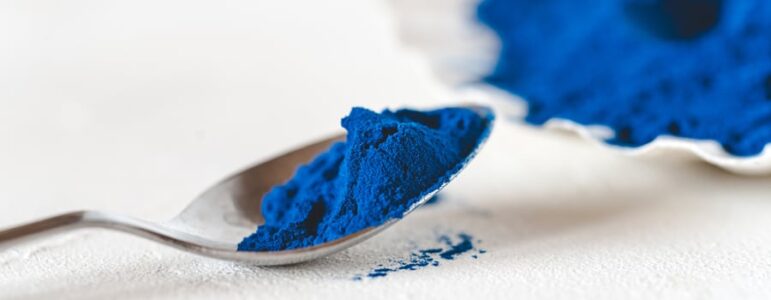
Blue spirulina — the vivid, electric-blue extract derived from microalgae — has crash-landed into the beverage world and refused to leave. At the heart of that color (and many of its touted benefits) is Phycocyanin, a naturally occurring pigment-protein complex that gives spirulina its signature azure hue. Around the globe, beverage brands big and small are using Phycocyanin to craft drinks that look like something out of a sci-fi film while promising cleaner labels, gentle nutrition, and strong social-media appeal. Here’s a look at the players and the trends driving the blue-spirulina movement.
Who’s leading the charge?
Instead of a single category dominating, multiple types of beverage brands are pushing Phycocyanin into mainstream drinking culture: Functional-beverage startups. These nimble companies focus on natural ingredients and health claims. They’re often first adopters of new plant-based extracts because they can pivot packaging and product messaging quickly. For them, Phycocyanin checks boxes for novelty, antioxidant content, and a “clean-label” story that resonates with wellness seekers. Ready-to-drink (RTD) tea and juice brands. Brands that already emphasize real ingredients and vibrant fruit/tea blends incorporate blue spirulina to create eye-catching limited editions or seasonal runs — think blue lattes, azure lemonades, and bright-green smoothies with an electric swirl. Craft soda and sparkling-water companies. Smaller soda-makers and boutique sparkling-water labels use Phycocyanin to offer Instagram-friendly colors without artificial dyes. The result: bubbly products that photograph beautifully and avoid synthetic food colorants. Cold-brew and coffee shops / cafes. Cafés have been early adopters of visually striking beverages (matcha lattes, turmeric lattes), so blue spirulina lattes and blue matcha blends are a natural fit. These brands translate Phycocyanin into experiential retail — customers buy both taste and the “shareable” moment. Functional cocktail mixers and bartending brands. Mixology-focused brands use Phycocyanin in nonalcoholic mixers and syrups to create cocktails and mocktails with dramatic color changes (especially when acid or citrus is added). Bartenders love the visual theatre.
Why brands choose Phycocyanin
Natural color with a story. Consumers are skeptical of artificial dyes; Phycocyanin is plant-derived and gives an intense, distinct blue that few other natural ingredients can match.
Perceived health halo. Phycocyanin is associated with antioxidants and anti-inflammatory compounds. Brands use that association (carefully and legally) to position products as more than just pretty drinks.
Standout shelf appeal. A blue bottle or a turquoise drink immediately attracts attention online and in stores. Marketing teams love the engagement lift from visually unique SKUs.
Formulation flexibility. When properly extracted and stabilized, Phycocyanin can be used across pH ranges and product formats — from cold brews to carbonated beverages — although formulation expertise is required.
Challenges brands face
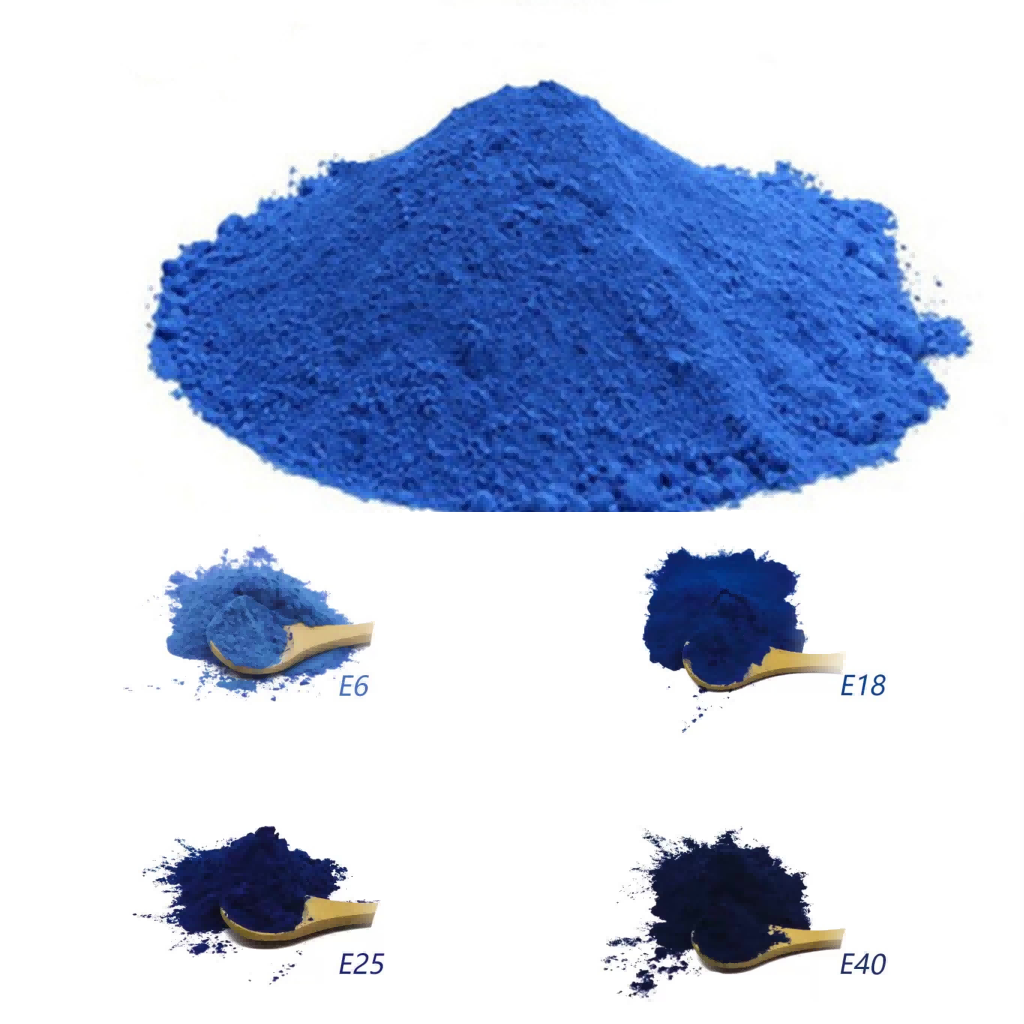
Stability and shelf life. Phycocyanin is sensitive to light, heat, and pH changes. Brands investing in it must solve for protection (UV-blocking packaging, antioxidants, lower processing temperatures) to keep color and activity intact.
Cost and sourcing. High-quality Phycocyanin extracts command a premium. Brands balance cost against product price point and expected sales volume.
Regulatory and label claims. Depending on the market, claims about health benefits must be carefully worded and substantiated. Brands often position blue-spirulina drinks as “naturally colored with spirulina extract” while avoiding unapproved medical claims.
Flavor masking. Spirulina has an umami/sea-green note. Formulators use citrus, floral botanicals, or creamy bases (like oat or cashew milk) to mask or complement the algae flavor.
What consumers should look for
If you’re shopping blue beverages and want the real deal:
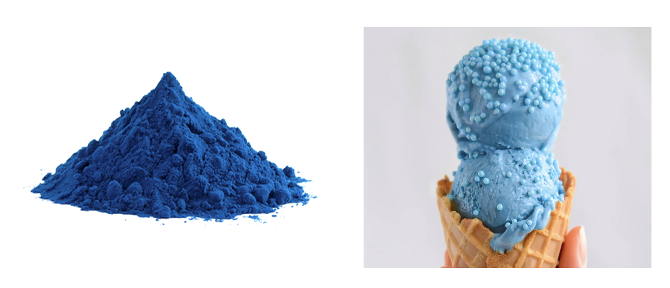
Check the ingredient line for “spirulina extract,” “phycocyanin,” or “blue spirulina.”
Prefer brands that disclose extract purity or sourcing practices — higher-purity Phycocyanin tends to have better color and fewer off-flavors.
Look for appropriate packaging (dark glass, opaque bottles, or UV-protected PET) which indicates the brand understands stability issues.
If you care about ethics and sustainability, seek brands that mention cultivating practices or third-party testing.
The visual—and cultural—impact
Beyond nutrition, Phycocyanin has reshaped how brands tell stories. Blue spirulina drinks signal experimentation, wellness curiosity, and social playfulness. They’re at once snackable content for social feeds and genuine attempts by beverage makers to respond to demand for natural, functional, and photogenic products.
Looking forward
Expect more collaboration between ingredient suppliers and R&D teams as Phycocyanin grows from a novelty to a mainstream clean-label option. Innovations in stabilization and cost-effective extraction will broaden the range of beverages it can enter. As formulations improve, blue spirulina may move from limited-edition stunts to regular SKUs in health-forward portfolios.
