
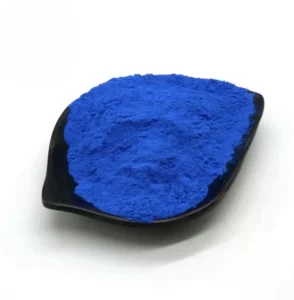
Blue spirulina is showing up in smoothies, supplements and cosmetics, which naturally raises the question: is it actually safe? The short answer is that, from a quality source and in sensible amounts, it is well tolerated by most people — but the details matter. Here is a balanced look. (This is general information, not medical advice.)
Is blue spirulina safe?
For most healthy adults, blue spirulina (phycocyanin) from a reputable, certified producer is considered safe as a food ingredient. The single most important factor is quality: spirulina must be grown and processed under clean, controlled conditions, because algae can absorb contaminants from a poor growing environment.
Possible side effects
At normal amounts, side effects are uncommon and usually mild. They can include:
- Digestive upset, bloating or nausea, especially when starting.
- Headache.
- Rarely, an allergic reaction.
Starting with a small dose and increasing gradually helps your body adjust and lets you gauge tolerance.
Who should be cautious
- People with autoimmune conditions — spirulina may stimulate the immune system, so medical guidance is wise.
- People with phenylketonuria (PKU) — spirulina contains phenylalanine.
- Pregnant or breastfeeding people — not because the algae is inherently harmful, but because purity is critical; check with a doctor first.
- Anyone on medication — particularly blood thinners or immunosuppressants; confirm with a professional.
Why quality and certification matter most
Most genuine safety concerns trace back to poorly produced algae — not to spirulina itself. Contamination with heavy metals or microcystins comes from bad water and weak quality control. Buying from a manufacturer that holds certifications such as FSSAI, ISO 22000 and HACCP, and that tests every batch for heavy metals and microbiology, dramatically reduces any risk. Cheap, uncertified products of unknown origin are where problems arise.
How much is safe?
Common supplemental intakes are around 1–3 grams per day, but always follow the product label and professional advice. When blue spirulina is used purely to colour food and drinks, the amounts involved are very small.
Is it natural or artificial?
Blue spirulina is natural — it is a pigment extracted from real spirulina algae, not a synthetic dye. That is precisely why food and cosmetic brands use it to replace artificial blue colours.
Frequently asked questions
Is blue spirulina safe for daily use? For most healthy adults, yes, using a certified product in sensible amounts.
Can children take it? In small food amounts it is generally fine; consult a paediatrician for supplements.
Are there side effects? Usually none or mild digestive upset; start small.
Is blue spirulina safe in pregnancy? Purity is key — use certified, tested products and check with a doctor first.
How do I know a product is safe? Choose certified, batch-tested material. Algology produces certified, tested phycocyanin (FSSAI, ISO, HACCP).