
Spirulina and chlorella are the two most popular “green” superfood algae, and they are constantly confused for one another. They look similar as powders, but they are different organisms with different structures, nutrients and best uses. This guide breaks down how they compare so you can choose the right one — or decide to take both.
What they are
Spirulina is a blue-green microalgae (technically a cyanobacterium) that grows in warm, alkaline water. It has a soft, digestible structure with no hard cell wall. Chlorella is a single-celled green freshwater algae with a tough outer cell wall that the human body cannot break down — which is why quality chlorella is sold as “cracked cell wall” so the nutrients become available.
Nutrient differences
Both are nutrient-dense, but they lead with different strengths:
- Spirulina — exceptionally high in protein (around 60–70% by weight), rich in iron, B vitamins, and phycocyanin, the blue antioxidant pigment that also gives us blue spirulina.
- Chlorella — higher in chlorophyll and fibre, contains vitamin B12 and some omega-3s, and is well known for binding to heavy metals, which is why it is associated with detox support.
Side-by-side comparison
| Spirulina | Chlorella | |
|---|---|---|
| Type | Blue-green (cyanobacteria) | Green single-cell algae |
| Protein | Very high | High |
| Standout compound | Phycocyanin (antioxidant) | Chlorophyll (detox) |
| Cell wall | None — easy to digest | Tough — needs cracking |
| Best known for | Energy, protein, antioxidants | Detox, digestion |
| Taste | Earthy, strong | Grassy, strong |
Which is better for you?
Neither is universally “better” — the right choice depends on your goal:
- Choose spirulina if you want a protein boost, sustained energy, iron support, or antioxidant benefits from phycocyanin.
- Choose chlorella if you are focused on gentle detox support, digestion, or want its fibre and B12.
Because their strengths complement each other, many people take both — and combined spirulina-chlorella products are common.
Which is easier to digest?
Spirulina is generally easier to digest because it has no hard cell wall. Chlorella must be “cracked” to be absorbed, so always look for cracked cell wall chlorella. Both can cause mild digestive upset when you first start, so begin with small amounts.
What about blue spirulina?
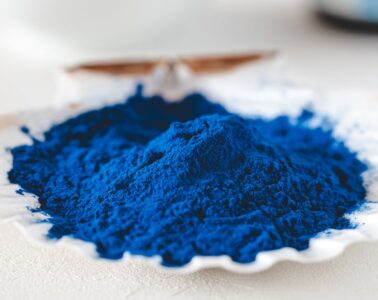
Blue spirulina is the phycocyanin extracted from spirulina — a concentrated form of its signature antioxidant pigment, prized for natural blue colour. If your interest is antioxidants or clean-label colour rather than whole-food nutrition, blue spirulina is the specialised option.
Quality matters more than the choice
Whichever you pick, source matters: algae absorb what is in their growing environment, so choose certified, contaminant-tested products from reputable producers.
Frequently asked questions
Can you take spirulina and chlorella together? Yes — they are complementary and often sold combined.
Which has more protein? Spirulina is higher in protein.
Which is better for detox? Chlorella, thanks to its chlorophyll and heavy-metal binding.
Do they taste the same? Both are strong — spirulina earthy, chlorella grassy; blend with fruit to mask.
Sourcing spirulina in bulk? Algology is a spirulina manufacturer in India supplying powder and extracts.