

Understanding the economics behind blue spirulina manufacturing and pricing.
Blue spirulina has emerged as one of the most sought-after natural ingredients in the food, beverage, nutraceutical, and cosmetic industries due to its vibrant blue pigment and impressive nutritional value. As demand continues to rise across domestic and international markets, understanding the economics behind its production has become increasingly important. Unlike conventional spirulina, blue spirulina requires advanced cultivation, extraction, and purification processes that significantly influence its manufacturing cost and final market price.
Blue Spirulina manufacturers in India are investing in modern technology, quality control systems, and sustainable production practices to meet growing consumer expectations while maintaining competitive pricing. From raw material cultivation and energy consumption to extraction technology, packaging, and logistics, every stage contributes to the overall production cost. At the same time, Blue Spirulina manufacturers must balance operational expenses with product quality to remain competitive in a rapidly expanding global market. This article explores the key cost factors involved in blue spirulina production in India and explains how these elements shape pricing and profitability across the industry.
Raw Material & Cultivation Costs
Raw material and cultivation expenses form the foundation of blue spirulina production costs and have a direct impact on the final product price. High-quality blue spirulina begins with carefully cultivated spirulina biomass grown under controlled environmental conditions. Factors such as water quality, nutrient supply, cultivation systems, temperature management, and light exposure all influence the growth rate and pigment concentration, making cultivation one of the most significant cost components. Blue Spirulina manufacturers in India invest heavily in advanced cultivation infrastructure, including closed photobioreactors or well-managed open pond systems, to ensure consistent quality and maximum phycocyanin yield. Regular monitoring of pH levels, contamination control, and nutrient balance further increases operational expenses but is essential for producing premium-grade blue spirulina.
Labour & Infrastructure Expenses
Labour and infrastructure costs play a significant role in determining the overall production expenses of blue spirulina. The cultivation, harvesting, extraction, filtration, drying, and packaging processes require skilled technicians and trained personnel to ensure product purity and consistency. Since blue spirulina production involves advanced processing techniques, companies must invest in experienced professionals who can maintain strict quality standards throughout the manufacturing cycle.
For Blue Spirulina manufacturers in India, infrastructure development is another major cost component. Modern production facilities require controlled cultivation systems, high-quality extraction equipment, filtration units, laboratory testing facilities, cold storage, and efficient packaging lines. Additionally, maintaining hygienic production environments and complying with food safety and export regulations increases operational expenses.

Extraction & Processing Costs
Extraction and processing are among the most significant cost components in blue spirulina production, as they determine the purity, stability, and quality of the final product. Unlike regular green spirulina, blue spirulina requires the careful extraction of phycocyanin, the valuable natural blue pigment, using advanced filtration and purification techniques. These specialized processes demand sophisticated equipment, skilled professionals, and strict quality control measures, all of which increase manufacturing expenses.
Blue Spirulina manufacturers in India invest heavily in modern extraction technologies to preserve the nutritional value and color intensity of phycocyanin while ensuring compliance with food safety and international quality standards. The use of low-temperature processing, membrane filtration, and spray or freeze-drying technologies helps maintain product quality but also adds to operational costs through higher energy consumption and equipment maintenance.
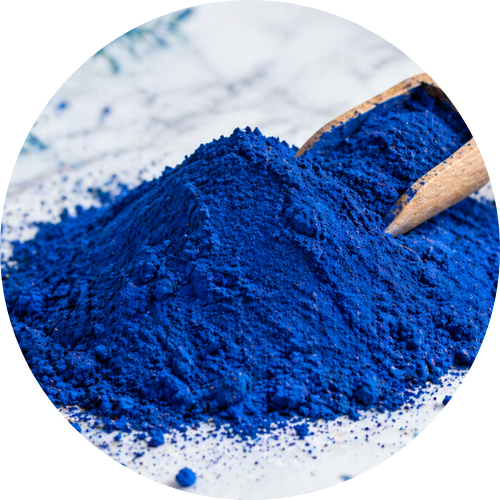
Energy Consumption Factors
Energy consumption is one of the most significant contributors to the overall cost of blue spirulina production. From controlled cultivation systems and water circulation to temperature regulation, harvesting, extraction, and drying processes, every stage requires a reliable energy supply to maintain product quality and consistency. Since blue spirulina is highly sensitive to environmental conditions, manufacturers must invest in efficient energy management systems to ensure optimal production.
For Blue Spirulina manufacturers in India, electricity costs can vary depending on production scale, location, and the technology used in cultivation and processing facilities. Large-scale operations often require continuous operation of pumps, lighting systems, filtration units, and refrigeration equipment, leading to substantial energy expenses. Additionally, advanced extraction methods used to preserve the natural blue pigment, phycocyanin, consume more power than traditional spirulina processing techniques.
Packaging & Logistics Costs
Packaging and logistics play a significant role in the overall cost structure of blue spirulina production. Since blue spirulina is highly sensitive to moisture, heat, and light, it requires premium packaging materials that preserve its color, nutritional value, and shelf life. High-quality airtight containers, food-grade pouches, tamper-proof seals, and UV-resistant packaging all contribute to increased production expenses.
For Blue Spirulina manufacturers in India, maintaining product quality during transportation is essential, especially when supplying customers across different states or exporting to international markets. Proper storage conditions, temperature-controlled shipping when necessary, and compliance with food safety regulations further add to logistics costs. Freight charges, fuel prices, warehousing, insurance, and customs documentation also influence the final product pricing.
Impact of Scale on Pricing
The scale of production plays a crucial role in determining the cost and market price of blue spirulina. Blue Spirulina manufacturers in India that operate large-scale production facilities can achieve significant cost advantages through economies of scale. By producing higher volumes, they can reduce per-unit expenses related to cultivation, extraction, processing, packaging, and distribution, making their products more competitively priced.
Large manufacturing units also benefit from automated systems, energy-efficient equipment, and optimized resource utilization, which help lower operational costs over time. Bulk procurement of raw materials and streamlined supply chain management further contribute to reducing production expenses. As a result, these manufacturers can offer consistent quality while maintaining attractive pricing for domestic and international buyers.
Cost Comparison with Global Markets
The cost of producing blue spirulina varies significantly across countries due to differences in labor expenses, cultivation methods, energy costs, regulatory requirements, and processing technology. In recent years, Blue Spirulina manufacturers in India have gained a competitive advantage by combining cost-effective production with improving quality standards, making India an attractive sourcing destination for both domestic and international buyers.
Compared to manufacturers in North America and Europe, where higher labor costs and stricter compliance regulations increase production expenses, Indian producers can offer premium-quality blue spirulina at more competitive prices. Lower operational costs, favorable climatic conditions for spirulina cultivation, and growing investments in advanced extraction technologies further strengthen India’s position in the global market.
Government Subsidies & Support
Government initiatives and financial assistance programs play a significant role in reducing the production costs and encouraging innovation within the algae cultivation industry. For Blue Spirulina manufacturers in India, various central and state government schemes aimed at biotechnology, aquaculture, food processing, and startup development can help offset investments in infrastructure, research, and advanced processing technologies. These incentives enable manufacturers to improve production efficiency while maintaining high-quality standards.
Many Blue Spirulina manufacturers also benefit from support provided through research institutions, agricultural universities, and biotechnology development agencies that promote sustainable cultivation practices and value-added algae products. Grants for research and development, low-interest loans for small and medium enterprises, and subsidies for renewable energy adoption can further lower operational expenses.
Price Fluctuations & Market Trends
The pricing of blue spirulina is influenced by a combination of production costs, global demand, raw material availability, technological advancements, and supply chain conditions. As the popularity of natural food colorants and plant-based nutrition continues to grow, Blue Spirulina manufacturers in India are witnessing increased demand from the food, beverage, pharmaceutical, and cosmetic industries. This rising demand has created new market opportunities while also contributing to periodic price fluctuations.
Seasonal changes in algae cultivation, energy costs, labor expenses, and extraction efficiency can significantly impact manufacturing costs. In addition, fluctuations in export demand and international competition also play a role in determining market prices. Premium-grade blue spirulina with higher phycocyanin content generally commands a higher price due to its superior purity and processing requirements.
Profit Margins for Manufacturers
Profit margins in the blue spirulina industry depend on several factors, including production efficiency, raw material quality, extraction technology, market demand, and export opportunities. Since blue spirulina is considered a premium natural ingredient, manufacturers can often achieve attractive returns when they maintain consistent quality and optimize operational costs.
Blue Spirulina manufacturers in India are increasingly focusing on advanced production methods, automation, and sustainable cultivation practices to reduce manufacturing expenses while improving product purity and yield. These improvements help increase profitability and strengthen their position in both domestic and international markets. In addition, value-added offerings such as organic certification, customized formulations, and bulk supply agreements can further enhance revenue potential.
1. Why is blue spirulina expensive?
2. Does bulk production reduce costs?
3. Are Indian manufacturers cost-competitive?
4. What factors affect pricing the most?
5. Can startups enter this industry easily?
Algology — microalgae manufacturer & exporter in India
Explore our solutions: Spirulina Manufacturers in India · Blue Spirulina Manufacturers in India · Phycocyanin Manufacturers in India.