
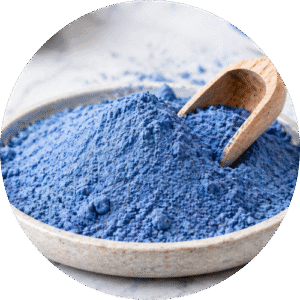
Understanding the key differences between traditional spirulina and extracted phycocyanin.
Spirulina has gained global recognition as a powerful superfood, widely used in health supplements, functional foods, and natural color applications. However, not all spirulina products are the same. Today, there is growing interest in understanding the differences between traditional green spirulina and its refined counterpart—blue spirulina, also known as phycocyanin extract. For businesses, formulators, and consumers alike, knowing how these two forms differ in composition, functionality, and application is essential.
As the demand for clean-label and plant-based ingredients continues to rise, Blue Spirulina manufacturers in India are playing a crucial role in supplying high-purity phycocyanin to both domestic and global markets. Unlike green spirulina, which is a whole biomass powder containing a mix of nutrients, blue spirulina is a selectively extracted pigment-protein complex prized for its vibrant natural blue color and antioxidant properties. This distinction has made Blue Spirulina manufacturers increasingly important for industries such as food & beverages, nutraceuticals, and cosmetics.
In this blog, we will explore the key differences between green spirulina and blue spirulina, helping you better understand their unique characteristics, benefits, and applications.
What is Green Spirulina vs Blue Spirulina
Green spirulina and blue spirulina both originate from the same microalgae, spirulina, but they differ significantly in composition, processing, and application. Understanding this distinction is essential, especially as the demand grows for high-quality extracts supplied by Blue Spirulina manufacturers in India and global Blue Spirulina manufacturers. Green Spirulina is the whole, dried biomass of spirulina algae. It is typically available in powder or tablet form and is known for its rich nutritional profile. It contains proteins, vitamins (such as B-complex), minerals, chlorophyll, and various bioactive compounds. Its deep green color comes primarily from chlorophyll, and it is widely used as a dietary supplement for overall health and wellness.
Nutritional Differences
When comparing green spirulina and blue spirulina, the primary distinction lies in their nutritional composition and concentration of active compounds. Green spirulina, in its natural form, is a whole biomass that contains a wide spectrum of nutrients including protein (up to 60–70%), vitamins (such as B-complex), minerals (iron, magnesium), chlorophyll, and essential fatty acids. It is widely consumed as a dietary supplement due to its overall nutrient density and holistic health benefits.
In contrast, blue spirulina is not a whole food but a purified extract derived from spirulina, specifically isolating phycocyanin, the blue pigment-protein complex responsible for its color and antioxidant properties. This means that while blue spirulina lacks the full range of nutrients found in green spirulina, it delivers a highly concentrated dose of antioxidants and anti-inflammatory compounds. This targeted nutritional profile makes it especially valuable in functional foods, beverages, and nutraceutical formulations.
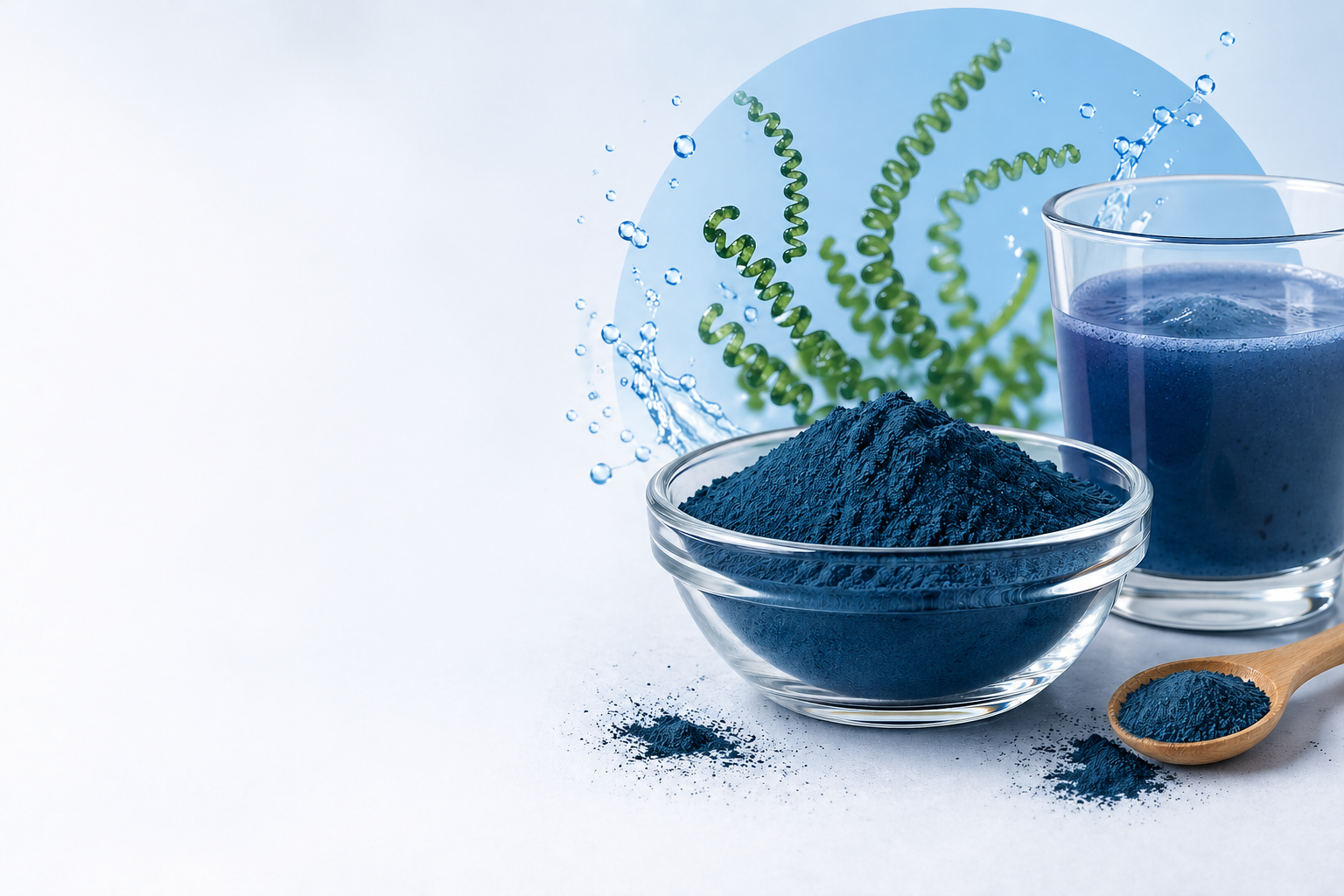
Extraction Process of Phycocyanin
The growing demand for natural ingredients in food, nutraceuticals, and cosmetics has brought phycocyanin—commonly known as blue spirulina—into the spotlight. Extracted from spirulina biomass, phycocyanin is valued for its vibrant blue color, antioxidant properties, and clean-label appeal. However, what truly defines its quality and effectiveness is the extraction process behind it. Understanding how phycocyanin is derived helps businesses make informed sourcing decisions and ensures consistency in end-use applications.
With increasing global demand, Blue Spirulina manufacturers in India are investing in advanced extraction technologies to produce high-purity phycocyanin suitable for a wide range of industries. Unlike raw spirulina powder, blue spirulina undergoes a carefully controlled extraction and purification process to isolate the blue pigment-protein complex while maintaining its stability and bioactivity. This is where experienced Blue Spirulina manufacturers stand out—through their ability to deliver consistent quality, superior color intensity, and compliance with international standards.
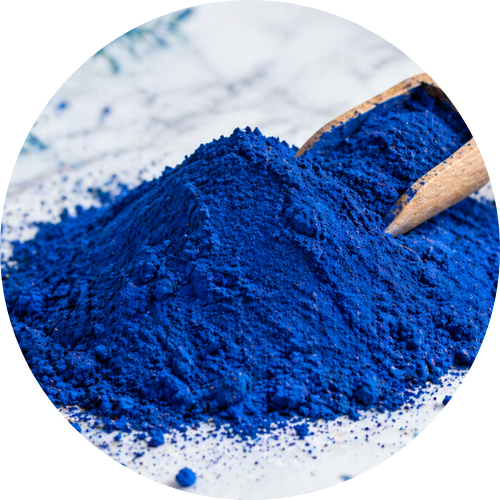
Taste & Application Differences
One of the most noticeable differences between green spirulina and blue spirulina lies in their taste profiles and how they are used across various industries. Green spirulina, being a whole biomass, has a strong earthy and marine-like flavor that can be overpowering in food and beverage formulations. This distinct taste often limits its usage to capsules, tablets, or heavily flavored products where the natural profile can be masked.
In contrast, blue spirulina—derived from purified phycocyanin—offers a much milder, almost neutral taste. This makes it significantly more versatile for modern applications, especially in clean-label and visually appealing products. From smoothies, juices, and protein shakes to confectionery, dairy alternatives, and bakery items, blue spirulina blends seamlessly without altering the intended flavor profile.
Use Cases in Food & Cosmetics
The versatility of spirulina—especially its extracted form, blue spirulina—has opened up a wide range of applications across the food and cosmetics industries. With the growing demand for natural, clean-label, and plant-based ingredients, Blue Spirulina manufacturers in India are catering to brands looking for both functionality and visual appeal in their products.
In the food industry, blue spirulina is primarily valued as a natural colorant derived from phycocyanin. Unlike artificial dyes, it offers a vibrant blue hue while aligning with clean-label trends. Leading Blue Spirulina manufacturers supply high-purity extracts that are widely used in beverages such as smoothies, juices, sports drinks, and flavored water. It is also popular in confectionery items like candies, gummies, ice creams, and desserts, where its striking color enhances product appeal without compromising on safety or nutritional value. Additionally, blue spirulina is incorporated into health-focused products such as protein powders, energy bars, and dietary supplements due to its antioxidant properties.
Bioavailability & Absorption
When comparing green spirulina and blue spirulina, bioavailability and absorption are critical factors that influence their effectiveness in the human body. While both forms originate from the same microalgae, their nutritional delivery and absorption rates differ significantly due to their composition and processing methods.
Green spirulina, being a whole biomass, contains a broad spectrum of nutrients including proteins, vitamins, minerals, chlorophyll, and essential fatty acids. However, because it is a complex matrix, the body may take longer to break down and absorb all its components efficiently. Some nutrients are bound within the cellular structure, which can slightly limit immediate bioavailability.
Market Demand Comparison
The market demand for green spirulina and blue spirulina (phycocyanin) has evolved significantly in recent years, with both segments showing growth—but at very different scales and drivers. While traditional spirulina continues to dominate as a nutritional supplement, blue spirulina is rapidly emerging as a high-value, application-driven ingredient, reshaping industry demand patterns.
Green spirulina benefits from an established and steadily expanding market. In India, the overall spirulina market is projected to grow at a CAGR of around 10.2%, driven by increasing awareness of plant-based nutrition, dietary supplements, and sustainable food sources . Its demand is largely volume-based, supported by its use in tablets, powders, and health formulations. However, this growth is relatively stable and tied primarily to the wellness and nutraceutical sectors.
Pricing Differences
One of the most noticeable distinctions between green spirulina and blue spirulina lies in their pricing, which is influenced by production complexity, purity levels, and application value. Understanding these differences is essential for businesses sourcing from Blue Spirulina manufacturers in India and evaluating cost versus functionality.
Green spirulina is generally more affordable because it is a whole biomass product that undergoes minimal processing. It is cultivated, harvested, dried, and powdered—making it a cost-effective option for dietary supplements and bulk nutrition products. Its pricing reflects its relatively simple production process and widespread availability.
In contrast, blue spirulina (phycocyanin) is significantly more expensive due to the advanced extraction and purification processes involved. Leading Blue Spirulina manufacturers invest in specialized technologies to isolate phycocyanin from raw spirulina while maintaining its stability, color intensity, and nutritional value. This process requires controlled environments, filtration systems, and quality testing, all of which add to the overall production cost.
Shelf Life & Stability
When comparing green spirulina and blue spirulina, shelf life and stability are critical factors—especially for manufacturers, formulators, and brands working with natural ingredients. While both are derived from the same microalgae, their processing methods significantly influence how they respond to environmental conditions such as light, heat, and pH.
Green spirulina, being a whole biomass powder, generally has a longer shelf life when stored properly in cool, dry, and airtight conditions. Its dense nutritional matrix offers relatively better resistance to environmental stress, making it more stable during storage and transportation. However, it may gradually lose potency and develop off-flavors if exposed to moisture or prolonged heat.
Consumer Preferences
Consumer preferences in the nutraceutical and food industries have evolved significantly in recent years, driven by a growing awareness of health, sustainability, and clean-label ingredients. This shift has directly influenced the rising demand for products offered by Blue Spirulina manufacturers in India and global Blue Spirulina manufacturers, especially as consumers seek natural alternatives to synthetic additives.
One of the key factors shaping consumer preference is the demand for visually appealing yet natural food products. Blue spirulina, with its vibrant blue hue derived from phycocyanin, has become a popular choice in smoothies, confectionery, beverages, and plant-based products. Unlike traditional green spirulina, which has a strong taste and deep green color that may not appeal to all consumers, blue spirulina offers a more neutral flavor profile and a striking appearance—making it highly attractive for modern food applications and social media-driven trends.