
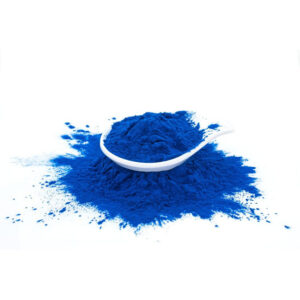
The growing use of blue spirulina as a natural ingredient in skincare and beauty products.
The cosmetics and personal care industry is rapidly shifting toward clean-label, plant-based, and sustainable ingredients, and blue spirulina has emerged as one of the most promising natural colorants and active compounds in this space. Known for its vibrant blue pigment, phycocyanin, blue spirulina is increasingly being used in skincare, haircare, and beauty formulations for both its aesthetic appeal and potential antioxidant benefits.
As consumer demand for safe, eco-friendly, and chemical-free beauty products continues to rise, brands are actively sourcing from trusted Blue Spirulina manufacturers in India to ensure consistent quality, purity, and compliance with global cosmetic standards. India, with its strong aquaculture and algae cultivation capabilities, is becoming a key hub for reliable Blue Spirulina manufacturers who can meet the growing global demand.
Natural Pigment in Cosmetics
The cosmetics industry is undergoing a major transformation with increasing demand for clean-label, plant-based, and eco-friendly ingredients. Among the rising natural color solutions, blue spirulina has gained significant attention as a powerful and sustainable natural pigment in cosmetics. Derived from the protein phycocyanin, blue spirulina delivers a vibrant blue hue that is widely used in skincare, makeup, and personal care formulations as a safe alternative to synthetic dyes. With growing awareness about ingredient safety and environmental impact, cosmetic brands are actively sourcing from trusted Blue Spirulina manufacturers in India to ensure high purity, stability, and compliance with global quality standards. India has emerged as a strong production hub due to its favorable climate for microalgae cultivation and expanding biotechnology sector.
Antioxidant Benefits for Skin
Blue spirulina has gained significant attention in the cosmetics and personal care industry due to its powerful antioxidant properties, primarily attributed to its active pigment phycocyanin. These antioxidants help neutralize free radicals that are responsible for premature skin aging, dullness, and environmental damage caused by pollution and UV exposure. As a result, blue spirulina is increasingly being incorporated into skincare formulations aimed at promoting youthful, healthy, and radiant skin.
One of the key reasons for its growing popularity is its ability to support skin repair and reduce oxidative stress, making it a valuable ingredient in anti-aging creams, face masks, serums, and natural cosmetic products. This rising demand has encouraged brands to collaborate with trusted Blue Spirulina manufacturers in India, who are capable of supplying high-purity extracts suitable for cosmetic-grade applications.
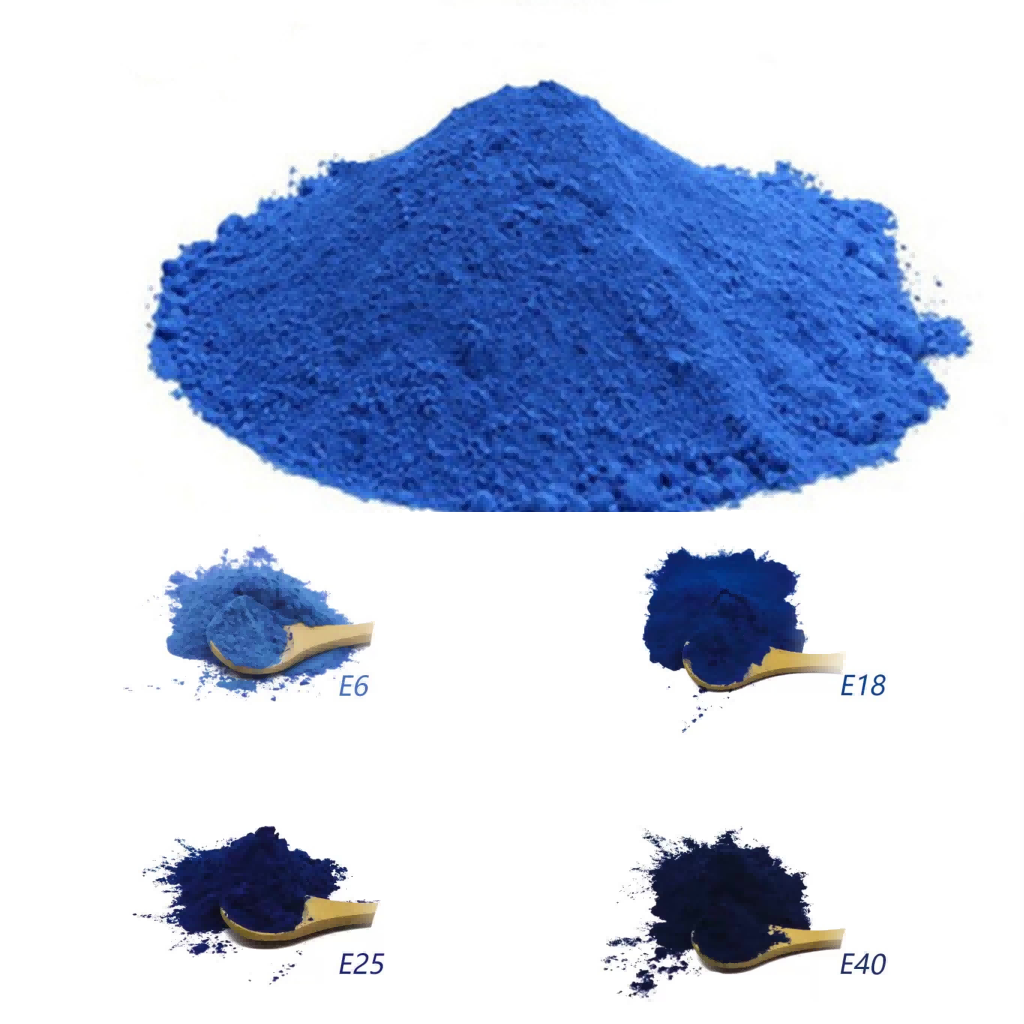
Use in Face Masks & Creams
Blue spirulina is increasingly becoming a sought-after ingredient in modern skincare formulations, especially in face masks and creams, due to its natural pigmentation and skin-enhancing properties. Rich in phycocyanin, it is widely valued for its antioxidant potential, which helps in supporting skin protection against environmental stressors and promoting a healthier, more radiant appearance.
In face masks, blue spirulina is often incorporated to deliver a soothing and revitalizing experience, giving products their distinctive blue hue without the need for synthetic dyes. Its natural origin aligns perfectly with the clean beauty movement, where consumers prefer plant-based and chemical-free skincare solutions. Similarly, in creams and moisturizers, it is used to enhance product appeal while contributing to formulations focused on hydration, skin nourishment, and calming effects.
Anti-Aging Properties
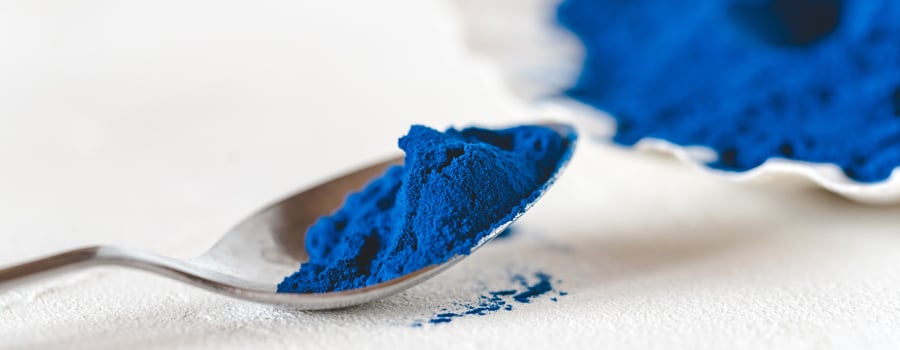
One of the most compelling reasons blue spirulina is gaining popularity in the cosmetics and personal care industry is its powerful anti-aging properties. Rich in phycocyanin, a potent antioxidant pigment, blue spirulina helps neutralize free radicals that are primarily responsible for premature skin aging, fine lines, and loss of skin elasticity. Its natural ability to reduce oxidative stress makes it a valuable ingredient in modern skincare formulations aimed at promoting youthful, healthy-looking skin.
In addition to its antioxidant benefits, blue spirulina is known to support skin regeneration and improve overall skin tone by reducing inflammation and enhancing cellular repair processes. This makes it especially useful in anti-aging creams, serums, face masks, and under-eye treatments where rejuvenation and skin protection are key priorities.
Application in Hair Care Products
The use of blue spirulina in hair care formulations is gaining strong momentum as the beauty industry continues to move toward natural, plant-based, and sustainable ingredients. Rich in phycocyanin, amino acids, vitamins, and antioxidants, blue spirulina is being explored for its ability to support scalp health, strengthen hair strands, and improve overall hair vitality without relying on harsh synthetic chemicals.
In modern shampoos, conditioners, hair masks, and serums, blue spirulina is valued not only for its vibrant natural blue color but also for its potential nourishing properties. It helps in protecting hair from environmental stressors, reducing dryness, and promoting a healthier-looking scalp environment, making it a preferred ingredient for clean beauty brands.
Clean Beauty Trends
The clean beauty movement is transforming the global cosmetics and personal care industry, with consumers increasingly preferring products made from safe, transparent, and environmentally friendly ingredients. This shift has opened the door for natural actives and colorants, and among them, blue spirulina has gained significant attention for its vibrant pigment and skin-friendly properties.
Derived from natural algae, blue spirulina—rich in the powerful pigment phycocyanin—is being widely adopted in skincare, makeup, and wellness formulations as brands move away from synthetic dyes and harsh chemicals. Its antioxidant potential and natural origin make it a perfect fit for clean beauty formulations that emphasize purity and sustainability.
Safety & Skin Compatibility
One of the key reasons for the rising adoption of blue spirulina in cosmetics is its strong profile for safety and skin compatibility. Derived from natural microalgae, blue spirulina—rich in the pigment phycocyanin—is generally well-tolerated by most skin types, making it a preferred choice for clean-label skincare and personal care formulations. Its natural origin and minimal processing also align with the growing demand for gentle, plant-based ingredients in modern beauty products.
For cosmetic formulators, ingredient safety is a top priority, and sourcing plays a critical role in ensuring consistent quality and purity. This is why many brands rely on trusted Blue Spirulina manufacturers in India, who follow standardized cultivation and extraction practices to deliver contaminant-free and stable-grade pigment suitable for skincare applications. Reputed Blue Spirulina manufacturers also conduct rigorous testing for heavy metals, microbial load, and allergen safety to meet international cosmetic regulations.
Formulation Challenges
Despite the rising popularity of blue spirulina in skincare and personal care products, incorporating it into stable and effective formulations presents several challenges for cosmetic brands and Blue Spirulina manufacturers in India as well as global Blue Spirulina manufacturers.
One of the primary challenges is color stability. The key pigment in blue spirulina, phycocyanin, is highly sensitive to environmental factors such as heat, light, pH levels, and oxidation. This makes it difficult to maintain its vibrant blue color in creams, serums, masks, and other cosmetic formulations over time. Even minor variations in formulation conditions can lead to color fading or degradation, affecting product appeal.
Another significant issue is pH compatibility. Many skincare products operate in acidic environments, while phycocyanin tends to remain more stable in neutral to slightly alkaline conditions. This mismatch often forces formulators to adjust product bases carefully, limiting flexibility in formulation design.
Regulatory Approvals in Cosmetics
In the rapidly evolving cosmetics and personal care industry, regulatory compliance plays a crucial role in ensuring product safety, quality, and consumer trust. As brands increasingly adopt natural colorants and bioactive ingredients, blue spirulina has gained attention as a plant-based alternative widely used in skincare, haircare, and beauty formulations. However, its use in cosmetics is governed by strict regulatory frameworks that vary across regions.
For manufacturers and brands sourcing ingredients, working with trusted Blue Spirulina manufacturers in India is essential to ensure compliance with global standards such as ISO, GMP, and cosmetic safety regulations. These certifications help verify that the ingredient is produced under controlled conditions, free from harmful contaminants, and suitable for cosmetic applications.
Market Growth in Beauty Industry
The global beauty and personal care industry is witnessing a strong shift toward natural, plant-based, and sustainable ingredients, driving significant demand for bioactive compounds like blue spirulina. As consumers increasingly prefer clean-label cosmetics free from synthetic dyes and harsh chemicals, blue spirulina—rich in the natural pigment phycocyanin—is gaining rapid popularity in skincare, haircare, and cosmetic formulations.
This growing preference has created a strong market opportunity for Blue Spirulina manufacturers in India, as the country is emerging as a reliable hub for high-quality algae cultivation and extraction. Indian producers are leveraging advanced cultivation techniques and quality control standards to supply premium-grade raw materials that meet both domestic and international cosmetic industry requirements.
1. Is blue spirulina safe for skin?
2. What are its cosmetic benefits?
3. Can it be used in creams and serums?
4. Does it help with anti-aging?
5. Is it suitable for sensitive skin?
Algology — microalgae manufacturer & exporter in India
Explore our solutions: Spirulina Manufacturers in India · Blue Spirulina Manufacturers in India · Phycocyanin Manufacturers in India.