
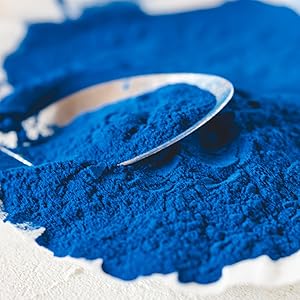
Understanding how to maintain stability and potency of phycocyanin through proper storage.
Maintaining the stability and potency of phycocyanin—the vibrant blue pigment derived from spirulina—is essential for delivering high-quality products to global markets. As demand continues to rise, Blue Spirulina manufacturers in India and across the world are placing greater emphasis on shelf life and proper storage practices to preserve its color, nutritional value, and functional benefits. Environmental factors such as light, temperature, moisture, and pH can significantly impact the degradation of phycocyanin if not carefully controlled.
For both consumers and Blue Spirulina manufacturers, understanding optimal storage conditions is key to ensuring product consistency and longevity. From production to packaging and distribution, every stage plays a crucial role in maintaining the integrity of blue spirulina. This blog explores how proper storage techniques and shelf life management can help retain the purity and effectiveness of this natural blue extract.
Factors Affecting Shelf Life
The shelf life of blue spirulina products largely depends on how well the sensitive compound phycocyanin is protected from environmental and handling factors. For Blue Spirulina manufacturers in India and global Blue Spirulina manufacturers, maintaining product stability is critical to ensuring consistent quality, color intensity, and nutritional value. Several key factors influence how long blue spirulina retains its effectiveness: 1. Temperature Phycocyanin is highly sensitive to heat. Exposure to high temperatures can lead to rapid degradation, causing loss of color and nutritional potency. Reputable Blue Spirulina manufacturers in India implement controlled temperature conditions during processing, storage, and transportation to extend shelf life. 2. Light Exposure Direct sunlight and UV radiation can break down the pigment structure of phycocyanin. This is why Blue Spirulina manufacturers often use opaque or UV-protected packaging to safeguard the product from light-induced deterioration.
Impact of Light, Heat & Oxygen
The stability of phycocyanin, the key pigment in blue spirulina, is highly sensitive to environmental factors such as light, heat, and oxygen. For Blue Spirulina manufacturers in India and global Blue Spirulina manufacturers, controlling these elements is essential to preserve product quality, color intensity, and nutritional value throughout its shelf life.
Light exposure, especially UV rays, can rapidly degrade phycocyanin, leading to discoloration and reduced potency. This is why manufacturers prioritize opaque or UV-protected packaging to shield the product from direct light during storage and transportation.
Best Storage Practices for Powder & Liquid Forms
For Blue Spirulina manufacturers in India and global Blue Spirulina manufacturers, maintaining the stability of phycocyanin in both powder and liquid forms is critical to preserving product quality, color intensity, and nutritional value. Since phycocyanin is highly sensitive to environmental conditions, adopting the right storage practices ensures longer shelf life and consistent performance across applications.
Storage of Blue Spirulina Powder:
Blue spirulina in powder form is relatively more stable compared to liquid, but it still requires careful handling. It should be stored in a cool, dry place away from direct sunlight and humidity. Exposure to moisture can lead to clumping and degradation of active compounds. Airtight, opaque containers are highly recommended to prevent oxidation and light exposure. Many Blue Spirulina manufacturers in India use food-grade, UV-protected packaging to enhance stability during transportation and storage. Additionally, maintaining a temperature below 25°C helps retain its vibrant blue color and bioactive properties.
Role of Packaging Materials
Packaging plays a critical role in preserving the quality, stability, and shelf life of blue spirulina products, especially when dealing with sensitive compounds like phycocyanin. Exposure to light, oxygen, and moisture can quickly degrade this natural pigment, leading to loss of color intensity and nutritional value. This is why Blue Spirulina manufacturers in India and leading Blue Spirulina manufacturers worldwide prioritize advanced packaging solutions as part of their quality control strategy.
High-barrier packaging materials such as opaque containers, UV-protected bottles, and multi-layer laminated pouches are commonly used to shield the product from harmful environmental factors. Airtight and moisture-resistant packaging further helps prevent oxidation and contamination, ensuring that the product retains its potency over time. Vacuum sealing and nitrogen flushing are also adopted by some Blue Spirulina manufacturers in India to extend shelf life and maintain freshness.
Shelf Life Testing Methods
For Blue Spirulina manufacturers in India and global Blue Spirulina manufacturers, ensuring product stability over time is essential to maintain quality, color intensity, and nutritional value. Shelf life testing plays a critical role in determining how long blue spirulina products can retain their potency—especially the sensitive phycocyanin compound—under various environmental conditions.
One of the most widely used methods is real-time stability testing, where products are stored under recommended conditions and evaluated periodically over their intended shelf life. This helps Blue Spirulina manufacturers in India establish accurate expiration dates based on actual performance. In addition, accelerated stability testing exposes products to higher temperatures and humidity levels to simulate long-term storage within a shorter time frame, allowing Blue Spirulina manufacturers to predict degradation patterns more efficiently.
Preservatives vs Natural Stability
When it comes to maintaining the shelf life of blue spirulina products, the debate between using preservatives and relying on natural stability is a key consideration. For Blue Spirulina manufacturers in India and global Blue Spirulina manufacturers, striking the right balance between product safety and clean-label expectations is essential. Consumers today increasingly prefer natural, additive-free products, especially in the health and wellness segment.
Phycocyanin, the active compound in blue spirulina, is naturally sensitive to environmental factors such as heat, light, and pH changes. Instead of relying heavily on synthetic preservatives, many Blue Spirulina manufacturers in India focus on advanced processing techniques like low-temperature extraction, controlled drying, and airtight packaging to enhance natural stability. These methods help retain the pigment’s potency while extending shelf life without compromising quality.
Cold Storage Requirements
Maintaining optimal cold storage conditions is critical to preserving the stability, color intensity, and nutritional value of blue spirulina. Since phycocyanin is highly sensitive to heat, improper temperature control can lead to rapid degradation, resulting in loss of potency and visual appeal. This is why Blue Spirulina manufacturers in India prioritize strict temperature management throughout the supply chain.
Ideally, blue spirulina products—especially liquid extracts and high-purity phycocyanin—should be stored at refrigerated temperatures, typically between 2°C and 8°C. Exposure to higher temperatures can break down the delicate protein structure of phycocyanin, reducing its effectiveness. Leading Blue Spirulina manufacturers implement cold chain logistics, ensuring that products remain within the required temperature range during storage, transportation, and delivery.
Transportation Considerations
Efficient transportation plays a critical role in preserving the quality and stability of blue spirulina products, especially due to the sensitive nature of phycocyanin. As a temperature- and light-sensitive compound, phycocyanin can degrade if exposed to unfavorable conditions during transit. This makes it essential for Blue Spirulina manufacturers in India and global Blue Spirulina manufacturers to implement strict logistics and handling protocols.
To maintain product integrity, blue spirulina is typically transported in temperature-controlled environments, often using insulated packaging or cold chain logistics. Protection from direct sunlight and excessive humidity is equally important, as these factors can lead to color fading and loss of nutritional value. High-quality packaging materials such as airtight, UV-resistant containers further help in safeguarding the product during shipping.
Signs of Product Degradation
Ensuring product quality over time is a top priority for Blue Spirulina manufacturers in India and global Blue Spirulina manufacturers, as phycocyanin is a naturally sensitive compound. Recognizing early signs of degradation is essential to maintain the effectiveness, color intensity, and safety of blue spirulina products.
One of the most noticeable indicators is a change in color. Fresh blue spirulina typically has a bright, vibrant blue hue, but as degradation occurs, it may fade into a dull blue, greenish, or even brownish shade. This discoloration often signals the breakdown of phycocyanin due to exposure to light, heat, or oxygen.
Another common sign is the loss of potency and nutritional value. Over time, improperly stored products may experience reduced antioxidant properties and diminished functional benefits. This directly impacts product performance, which is why Blue Spirulina manufacturers in India emphasize strict quality control and storage guidelines.
Extending Shelf Life with Technology
Advancements in technology are playing a crucial role in enhancing the shelf life of phycocyanin-rich products, enabling Blue Spirulina manufacturers in India and global Blue Spirulina manufacturers to deliver consistent quality over extended periods. Since phycocyanin is highly sensitive to environmental factors such as heat, light, and oxidation, innovative preservation methods have become essential to prevent degradation and maintain its vibrant color and nutritional integrity.
Modern techniques such as microencapsulation, spray drying, and freeze drying help protect the active compounds by creating a barrier against external stressors. These processes not only improve stability but also make storage and transportation more efficient. Additionally, the use of advanced packaging solutions—like vacuum sealing, nitrogen flushing, and UV-resistant containers—further minimizes exposure to oxygen and light, significantly extending product shelf life.
1. How long does blue spirulina last?
2. Should blue spirulina be refrigerated?
3. Does heat destroy phycocyanin?
4. How to store it for maximum freshness?
5. Can expired spirulina be used?
Algology — microalgae manufacturer & exporter in India
Explore our solutions: Spirulina Manufacturers in India · Blue Spirulina Manufacturers in India · Phycocyanin Manufacturers in India.