
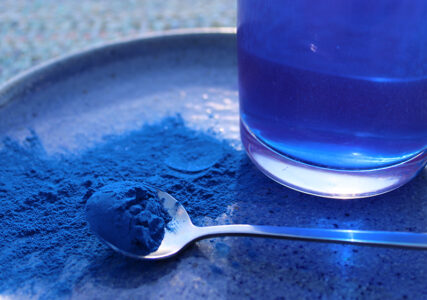
Understanding the key differences between traditional spirulina and extracted phycocyanin.
Spirulina has gained significant attention as a superfood, but not all spirulina products are the same. When exploring the difference between green spirulina and blue spirulina, it’s important to understand that they come from the same source but serve different purposes. Green spirulina is the whole algae, packed with protein, vitamins, minerals, and antioxidants, making it a complete nutritional supplement. On the other hand, blue spirulina is not a separate algae—it is actually extracted phycocyanin, the natural pigment responsible for spirulina’s blue color, known for its powerful antioxidant and anti-inflammatory properties.
This comparison becomes especially relevant for food, beverage, and nutraceutical industries looking for natural coloring and health-enhancing ingredients. Many brands today rely on Blue Spirulina manufacturers in India to source high-quality phycocyanin extracts for smoothies, desserts, and functional foods. With growing global demand, Blue Spirulina manufacturers are playing a key role in supplying clean-label, plant-based blue coloring solutions while maintaining nutritional value and purity standards.
What is Green Spirulina vs Blue Spirulina
Green spirulina and blue spirulina both originate from the same microalgae, but they differ in composition, appearance, and usage. Green spirulina is the whole dried biomass of the Arthrospira species, retaining its full nutritional profile, including protein, iron, B-vitamins, chlorophyll, and essential amino acids. It is widely used as a dietary supplement to support overall health, immunity, and energy levels. Blue spirulina, however, is not a separate form of algae but a natural pigment called phycocyanin extracted from spirulina. This extraction process isolates the bright blue antioxidant compound, removing most of the fiber and chlorophyll. As a result, blue spirulina is primarily used as a natural colorant in food and beverages while still offering antioxidant and anti-inflammatory benefits, though it is less nutritionally dense than the whole green form. With the rising demand for plant-based and clean-label ingredients, many food and nutraceutical companies are increasingly sourcing from Blue Spirulina manufacturers in India. These manufacturers play a key role in producing high-purity phycocyanin suitable for smoothies, desserts, supplements, and functional foods. Globally, Blue Spirulina manufacturers are focusing on improving extraction techniques to ensure better stability, color intensity, and quality standards for diverse applications.
Nutritional Differences
Green spirulina and blue spirulina differ significantly in their nutritional composition, even though both originate from the same microalgae source. Green spirulina is a whole-food ingredient that retains all major nutrients, including complete plant-based protein, iron, magnesium, potassium, B-vitamins, and essential amino acids. It is widely valued as a nutrient-dense superfood that supports overall wellness, energy levels, and immunity.
In contrast, blue spirulina is derived from extracted phycocyanin, which is the pigment responsible for spirulina’s natural blue color. While it contains powerful antioxidants and anti-inflammatory properties, it does not provide the full protein profile or broad micronutrient spectrum found in green spirulina. Instead, its primary value lies in its functional benefits, clean-label appeal, and natural coloring ability for food and beverage applications.
Extraction & Processing Costs
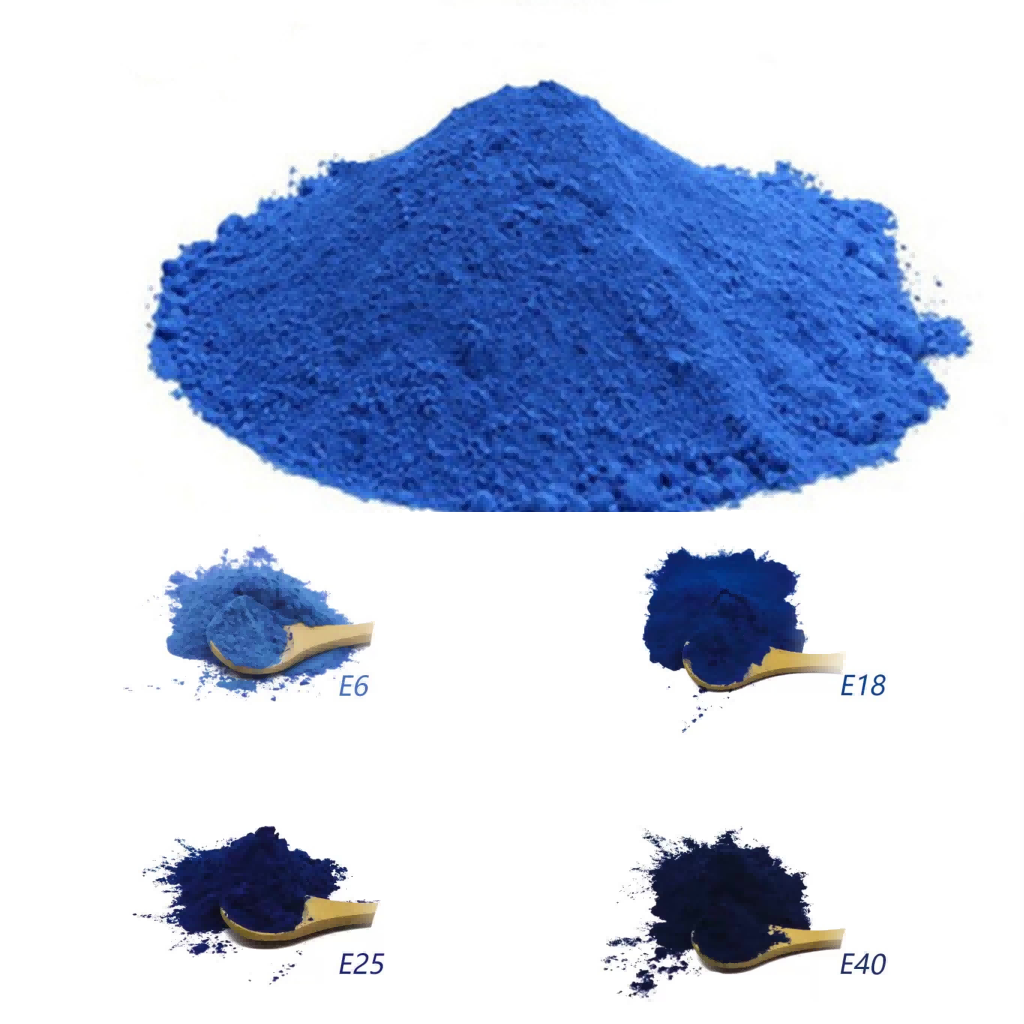
The extraction of phycocyanin, the vibrant blue pigment derived from spirulina, is a carefully controlled process designed to preserve its natural color, nutritional value, and functional properties. It begins with the cultivation of high-quality spirulina biomass under controlled conditions. Once harvested, the biomass is thoroughly washed and dried to remove impurities and moisture.
The next stage involves cell disruption, where mechanical or low-temperature methods are used to break open the spirulina cells and release the phycocyanin pigment. This is followed by aqueous extraction, where the pigment is separated using water-based solutions under controlled pH and temperature to ensure maximum stability and purity. The solution is then filtered and purified using advanced techniques such as centrifugation and membrane filtration to remove residual solids and unwanted compounds.
Finally, the extracted phycocyanin is concentrated and carefully dried, often using spray drying or freeze-drying methods, to produce a stable blue powder suitable for use in food, beverages, cosmetics, and nutraceuticals.
With increasing demand for natural colorants, Blue Spirulina manufacturers in India are adopting advanced extraction technologies to ensure high purity, safety, and consistency. Leading Blue Spirulina manufacturers focus on maintaining stringent quality standards to deliver premium-grade phycocyanin that meets both domestic and global market requirements.
Taste & Application Differences
One of the most important differences between green spirulina and blue spirulina lies in their taste profile and how they are used across different industries. Green spirulina has a strong, earthy, and slightly ocean-like flavor due to its whole algae composition. Because of this distinct taste, it is commonly used in health supplements, protein powders, tablets, and smoothies where its flavor can be masked with fruits or other ingredients.
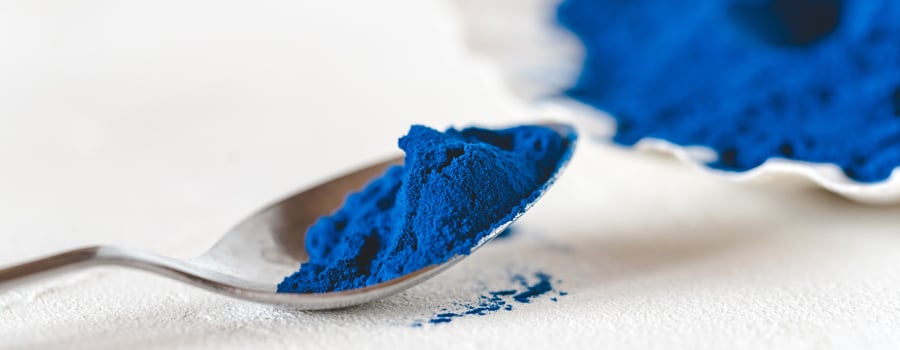
In contrast, blue spirulina (phycocyanin extract) has a much milder, almost neutral taste, making it highly versatile for food and beverage applications without affecting the original flavor of the product. This is why it is widely preferred in lattes, desserts, ice creams, bakery items, and functional beverages where visual appeal is as important as taste.
Due to its rising demand in clean-label and plant-based food products, many food brands depend on Blue Spirulina manufacturers in India to supply high-purity extracts suitable for commercial use. These Blue Spirulina manufacturers play a crucial role in ensuring consistency, solubility, and vibrant natural blue coloration, making blue spirulina a preferred ingredient in modern food innovation.
Use Cases in Food & Cosmetics
Blue spirulina, derived from natural phycocyanin extracted from spirulina algae, has become a highly sought-after ingredient across both the food and cosmetics industries due to its vibrant natural blue color and functional health benefits. In the food sector, it is widely used as a clean-label alternative to synthetic food dyes in smoothies, ice creams, bakery products, candies, health drinks, and plant-based desserts. Its appeal lies not only in its striking color but also in its antioxidant properties, making it a preferred ingredient for health-focused and vegan product formulations.
In the cosmetics industry, blue spirulina is gaining popularity as a natural colorant and skin-friendly additive in face masks, soaps, lip balms, and skincare formulations. Its antioxidant-rich profile supports skin nourishment and helps protect against environmental stress, aligning well with the rising demand for natural and chemical-free beauty products.
With increasing global demand for sustainable and plant-based ingredients, Blue Spirulina manufacturers in India are playing a crucial role in supplying high-quality phycocyanin extracts to both domestic and international markets. Leading Blue Spirulina manufacturers are focusing on advanced extraction techniques, purity standards, and eco-friendly production methods to meet the needs of food and cosmetic brands looking for safe, natural, and visually appealing ingredients.
Bioavailability & Absorption
Bioavailability refers to how efficiently nutrients are absorbed and utilized by the body, and this is one of the key differences when comparing green spirulina and blue spirulina. Green spirulina contains whole algae biomass, which includes protein, fiber, chlorophyll, and a wide range of micronutrients. While it is highly nutritious, its complex cellular structure can sometimes slow down digestion and reduce the immediate absorption of certain nutrients.
In contrast, blue spirulina—derived from extracted phycocyanin—is a more refined compound that is easier for the body to absorb quickly. Since it is already isolated from the algae, it does not require extensive breakdown in the digestive system, allowing faster assimilation of its antioxidant and anti-inflammatory properties. This makes it especially valuable in functional beverages and health supplements where rapid nutrient uptake is preferred.
Market Demand Comparison
The market demand for spirulina is expanding globally, but it is clearly splitting into two high-growth segments: traditional green spirulina (whole biomass) and blue spirulina (phycocyanin extract). Each serves different industries, which directly influences demand patterns and pricing dynamics.
Green spirulina continues to dominate the overall market due to its strong positioning in the nutraceutical and dietary supplement industry. It is widely used in tablets, powders, and functional foods because of its high protein content and complete nutrient profile. However, its growth is relatively steady compared to newer applications. According to recent market insights, green spirulina holds the majority share of the spirulina color segment, accounting for over 80% of revenue in 2024, mainly due to its established use in health supplements and bulk formulations.
Pricing Differences
The pricing of spirulina products varies significantly depending on whether it is green spirulina or blue spirulina (phycocyanin extract), as well as on purity, extraction methods, and quality standards. Green spirulina is generally more affordable because it is the whole dried algae and requires minimal processing. In contrast, blue spirulina is a concentrated extract, which involves advanced purification techniques to isolate phycocyanin, making it a higher-value and more premium ingredient.
Another key factor influencing cost is the intended application. Blue spirulina is widely used in food, beverage, and nutraceutical industries as a natural colorant, which increases its demand and price in comparison to standard nutritional spirulina powder. Additionally, organic certification, lab testing, and export-grade quality further contribute to higher pricing levels.
Shelf Life & Stability
Shelf life and stability are crucial factors when evaluating spirulina-based products for commercial use, especially in food, beverage, and nutraceutical applications. Green spirulina, being the whole dried algae, generally has a stable shelf life when stored in cool, dry conditions away from moisture and direct sunlight. However, its nutritional quality and color can gradually decline if exposed to heat, humidity, or improper packaging over time.
Blue spirulina, which is extracted phycocyanin, is more sensitive to environmental conditions compared to green spirulina. Its vibrant blue color and antioxidant properties can degrade when exposed to light, heat, or extreme pH levels. To maintain its stability, it is often processed using advanced extraction and stabilization techniques such as spray drying, microencapsulation, and cold-chain storage in some cases.
Consumer Preferences
Consumer demand for spirulina products has evolved significantly as health-conscious lifestyles continue to grow. Today’s buyers are not only interested in nutrition but also in natural, clean-label, and visually appealing ingredients. Green spirulina is often preferred by individuals seeking complete nutrition, including protein, iron, and essential amino acids in a single superfood. Meanwhile, blue spirulina has gained popularity among consumers looking for a natural alternative to artificial food colorants, especially in smoothies, desserts, and wellness drinks.
A major factor influencing purchasing decisions is product purity and sourcing transparency. This is where Blue Spirulina manufacturers in India play an important role by offering high-quality, plant-based phycocyanin extracts that meet food-grade standards. As demand increases globally, Blue Spirulina manufacturers are focusing on consistent quality, organic cultivation practices, and sustainable production methods to meet the expectations of both health-focused consumers and food industry brands.